
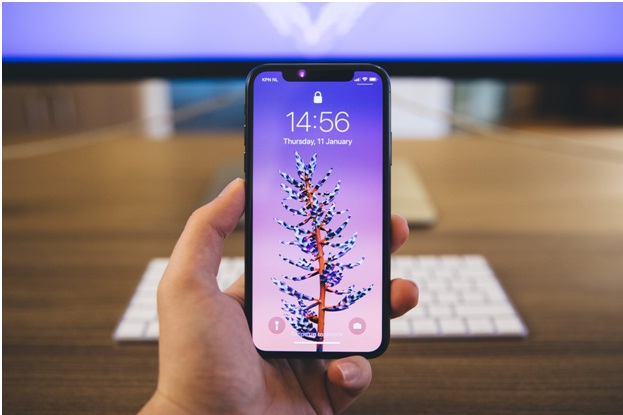
In today’s fast-paced world, smartphones have become essential in our daily lives. The iPhone, with its sleek design, impressive performance, and cutting-edge features, is one of the most popular choices worldwide. However, the high price tag can be a barrier for many.
This is where refurbished iPhones come into play. Refurbished iPhones offer a chance to own an Apple device at a significantly lower cost. But is buying a refurbished iPhone really worth it? In this article, we’ll break down the pros and cons of buying a refurbished iPhone, helping you decide if it’s the right choice for you.
What Is a Refurbished iPhone?
A refurbished iPhone is a pre-owned device that has been returned to the manufacturer or a certified refurbisher due to various reasons such as customer returns, defects, or simply because the device was traded in. Once returned, the phone is repaired, tested, and restored to its original condition before being sold again at a lower price.
Apple and other third-party refurbishers carefully inspect, repair, and certify these devices to ensure they meet the same quality standards as new phones. Refurbished iPhones often come with warranties, offering additional peace of mind for buyers.
The Pros of Buying a Refurbished iPhone
-
Cost Savings
The most obvious benefit of buying a refurbished iPhone is the price. Refurbished iPhones can be up to 30-40% cheaper than buying new. This is a great option for those who want an iPhone but don’t want to spend a lot of money. The money saved can be put towards accessories, apps, or other essentials. -
Environmental Benefits
Purchasing a refurbished iPhone is an eco-friendly choice. Instead of contributing to the production of new phones, buying refurbished helps reduce e-waste and minimizes the need for more raw materials. By reusing and recycling devices, we contribute to a more sustainable environment. -
Same High-Quality Performance
Refurbished iPhones undergo rigorous testing to ensure they work like new. Apple and other refurbishers check the device’s functionality, including the battery, camera, and other key features. A well-maintained refurbished iPhone will perform just as well as a new model, making it a great value for money. -
Warranty and Return Policies
Many refurbished iPhones come with a warranty, which provides peace of mind in case something goes wrong. Apple, for example, offers a one-year warranty on its certified refurbished iPhones. This warranty allows you to return the phone or have it repaired if it develops any issues during the covered period. -
Access to Older Models
Refurbished iPhones offer access to older models that may no longer be available as new devices. If you’re not interested in the latest model, a refurbished iPhone gives you the chance to own an older version of the iPhone at a more affordable price. This can be a great option if you’re looking for a specific feature or design. -
Certification and Testing
When buying a refurbished iPhone from reputable sellers like Apple or Amazon, you’re assured that the device has undergone a comprehensive inspection process. These phones are certified and tested to meet the same standards as new models, ensuring they function properly and meet the highest quality standards.
The Cons of Buying a Refurbished iPhone
-
Limited Warranty
While refurbished iPhones often come with a warranty, it’s usually shorter than that of a new phone. Apple’s warranty for certified refurbished iPhones is one year, but third-party sellers may offer shorter warranties. If you’re used to the full warranty period offered for new phones, this could be a downside. -
Possible Cosmetic Damage
Although refurbished iPhones are tested to ensure they function properly, some models may have minor cosmetic defects, such as scratches or dents. These imperfections may not affect the phone’s performance but can be noticeable if aesthetics are important to you. If this concerns you, look for refurbished phones that are listed as “like new” or “mint condition.” -
Shorter Lifespan
Refurbished iPhones, especially older models, may have a shorter lifespan compared to new phones. As the battery and components are pre-used, there’s a possibility that the phone will age more quickly. While most refurbished phones come with a new battery, it’s still important to be aware that older models might have less longevity than new ones. -
Limited Availability of New Features
Suppose you’re purchasing a refurbished iPhone model that’s a few years old. In that case, you may not have access to the latest features, such as faster processors, improved cameras, or new software capabilities. If having the latest technology is a priority for you, a refurbished iPhone may not meet your needs. -
Potential for Higher Repair Costs
In some cases, the cost of repairing a refurbished iPhone may be higher than repairing a new iPhone, especially if it’s an older model. If the phone requires repairs outside of the warranty period, you might end up paying more to fix it compared to a new phone under AppleCare or another extended warranty.
How to Ensure You Get the Best Deal on a Refurbished iPhone
To get the best value for your money, follow these tips when shopping for a refurbished iPhone:
-
Buy from Reputable Sellers
Make sure to purchase from a trusted source, such as Apple’s official refurbished store or other certified retailers. Buying from third-party sellers or auction sites like eBay may carry risks, so be sure to check the seller’s reputation and reviews. -
Check the Warranty
Ensure that the refurbished iPhone comes with a warranty that suits your needs. Apple offers a one-year warranty on its certified refurbished iPhones, while third-party sellers may offer varying terms. -
Read Customer Reviews
Customer reviews can give you valuable insight into the condition of the phone and the reliability of the seller. Look for reviews that mention the phone’s condition, performance, and any issues the seller may have had with customer service. -
Inspect the Condition
If you’re buying from a third-party seller, ask for detailed information about the phone’s condition. Some refurbished phones may have minor cosmetic flaws, so make sure to check the grading system (e.g., “like new,” “good condition”) before buying. -
Compare Prices
Shop around and compare prices from different sellers to ensure you’re getting the best deal. While refurbished iPhones are generally cheaper than new ones, prices can still vary depending on the model, condition, and seller.
Read Also: Refurbished Phones Near Me
Conclusion
Buying a refurbished iPhone can be a smart and cost-effective decision, offering great value for those who don’t want to spend a lot on a new device. The key benefits of purchasing a refurbished iPhone include lower prices, environmental sustainability, and access to high-quality devices that are just as reliable as new ones. However, it’s important to consider the potential downsides, such as limited warranty, cosmetic damage, and the possibility of shorter lifespan.
Ultimately, whether buying a refurbished iPhone is worth it depends on your priorities. If you’re looking for a budget-friendly option and are willing to compromise on some features, a refurbished iPhone can be a great choice.
FAQs
-
Are refurbished iPhones reliable?
Yes, refurbished iPhones undergo rigorous testing to ensure they meet the same standards as new models. They are often just as reliable as new devices. -
Do refurbished iPhones come with a warranty?
Many refurbished iPhones come with a warranty, usually ranging from 90 days to one year. Check the warranty terms before purchasing. -
Can I upgrade a refurbished iPhone?
Yes, refurbished iPhones can be upgraded just like new ones. They support the latest iOS updates and app downloads. -
Why are refurbished iPhones cheaper?
Refurbished iPhones are cheaper because they are pre-owned, have undergone repairs, and are no longer considered brand-new, making them more affordable. -
What should I check before buying a refurbished iPhone?
Before buying, check the phone’s warranty, condition, customer reviews, and the seller’s reputation to ensure you get a quality device.