
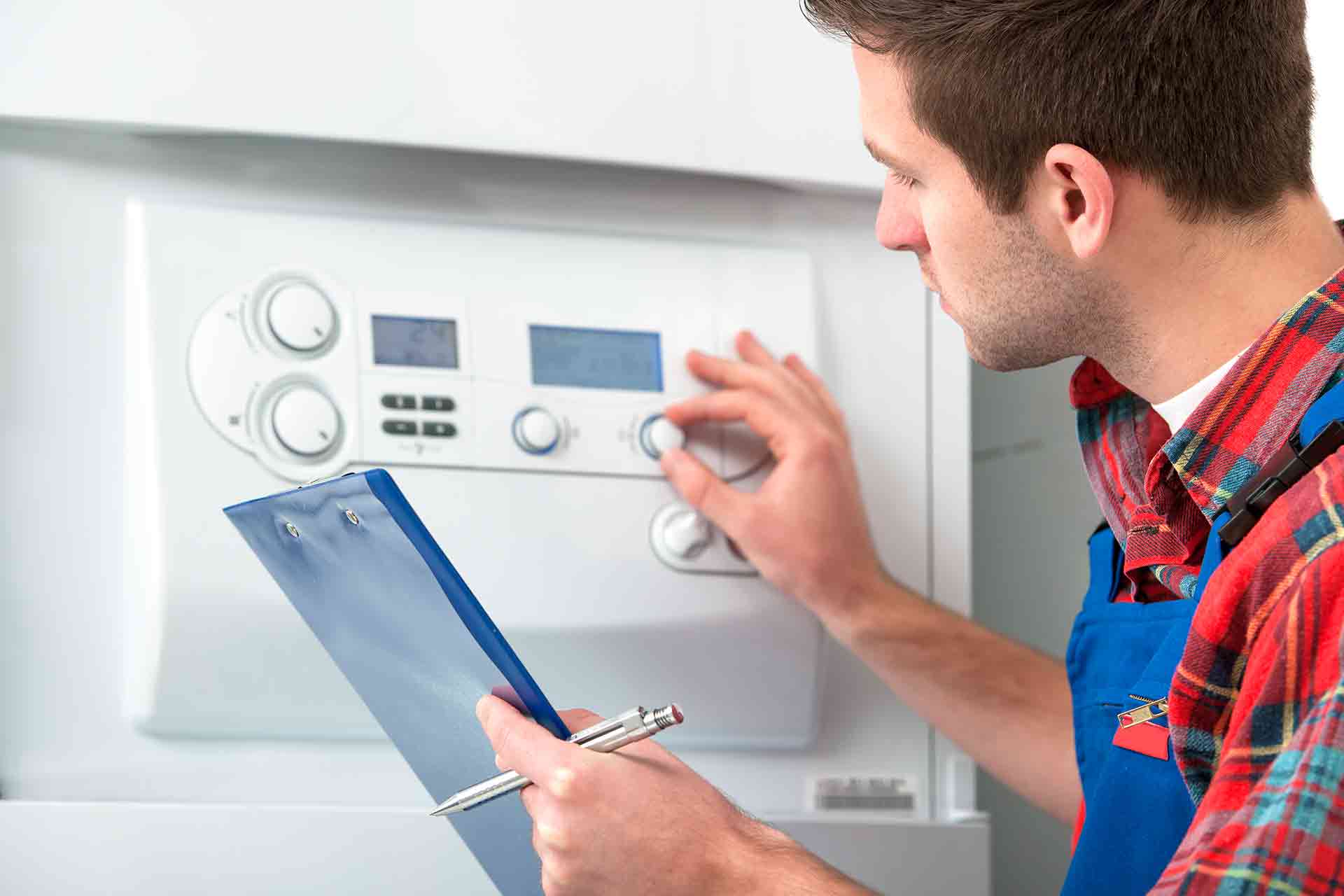
As a gas engineer, you work in people’s homes, commercial premises, and tight plant rooms where flames, pressure, electrics, and expensive fittings all converge. That mix is precisely why public liability insurance (PLI) isn’t just a nice-to-have. It is a core safety net for your business. This guide explains what PLI is, what it covers (and doesn’t), how much cover to choose, typical costs, add-ons worth considering, how to make a claim, and practical steps to keep premiums sensible all tailored to gas engineering work.
What Is Public Liability Insurance and Why Gas Engineers Need It
Public liability insurance protects your business if a member of the public (including your residential or commercial client) is injured, becomes ill, or their property is damaged because of your work. If a claim is made, your policy typically covers legal defence, compensation payouts, and the claimant’s costs, up to the policy limit.
For gas engineers, risk scenarios crop up daily: a customer trips over your hoses; a new boiler install leaks and damages flooring; a flue fitted incorrectly causes smoke damage; or a pressurised system vents and injures a passer-by. Even when you’ve done everything right, accidents and allegations happen. PLI helps ensure a single incident doesn’t sink your business.
Key point: In many countries, PLI is not legally mandated for sole traders, but many clients, main contractors, property managers, and letting agents require proof of public liability before letting you on site. It’s also seen as a marker of credibility and professionalism.
What Public Liability Insurance Typically Covers
While wordings vary by insurer, most policies for trades like gas engineering include:
-
Third-party injury or illness: If a client or member of the public is hurt and alleges your work or site setup caused it.
-
Third-party property damage: If you accidentally damage a customer’s property—e.g., cracked tiles during a boiler swap, scorched cabinetry during pipe soldering, or water damage from a disturbed joint.
-
Legal fees and defence costs: Solicitors, expert reports, and court costs to defend or settle a claim.
-
Compensation and claimant’s costs: Settlement amounts awarded to the injured party, up to your chosen limit.
-
Products liability (often bundled): If a product you supplied (e.g., a faulty valve you sold and installed) causes damage or injury, even if you didn’t manufacture it.
Real-world examples for gas engineers
-
A condensate pipe is routed incorrectly, freezing in winter and backing condensate into a kitchen—warping cabinets and floors.
-
A blowtorch flare scorches a worktop and adjacent wall units during a tight copper run.
-
A client slips on water you’ve drained from a system, injuring their wrist and missing work.
PLI responds to allegations—not only proven negligence. Your insurer will investigate, defend, and, if needed, settle.
What’s Not Covered (Common Exclusions to Watch)
Knowing exclusions is as important as knowing inclusions. Typical gaps include:
-
Damage to your own tools/gear: That’s “tools cover” or “contractors’ all risks,” not PLI.
-
Injury to your employees: Covered by employers’ liability (if you hire staff, that’s often legally required).
-
Professional advice/design errors: If a claim arises purely from your design/specification or professional advice (not the physical installation), you usually need professional indemnity insurance (PI).
-
Faulty workmanship itself: Many policies pay for resultant damage (e.g., water damage) but not to redo your defective work. Check your wording on “rectification costs.”
-
Deliberate or criminal acts: No cover for intentional damage or illegal practices (e.g., bypassing safety devices).
-
Contractual guarantees or penalties: Liquidated damages or financial guarantees you’ve signed into may fall outside PLI.
-
Asbestos, pollution, or certain hazardous locations: Often excluded or strictly limited—review endorsements if you work in older properties or plant rooms with legacy materials.
Action: Read your schedule and policy wording, especially definitions of “you,” “business activities,” “products,” and “territorial limits.” Add endorsements if your work demands them.
How Much Cover Do Gas Engineers Need?
Common public liability limits are £1 million, £2 million, or £5 million (or equivalent in your currency). Choosing the right one depends on:
-
Typical job values and premises: High-end homes, commercial kitchens, schools, or hospitals often require higher limits (many main contractors specify £5m+).
-
Third-party exposure: Busy sites, public access, and multi-trade projects increase risk.
-
Contract requirements: Always check tender documents or supplier frameworks.
-
Peace of mind vs. premium: Higher limits cost more, but large losses are rare and catastrophic—balance your risk appetite with your budget.
Rule of thumb:
-
Domestic-only work with low-value jobs → £1–2m
-
Mix of domestic/commercial or contractor work → £2–5m
-
Public-facing or large sites (retail, education, healthcare) → £5m+
What Does Public Liability Insurance Cost?
Premiums vary widely, but these factors drive price:
-
Turnover and payroll: Higher revenue and staff count usually mean higher exposure.
-
Work profile: Installations vs. servicing, hot works frequency, commercial vs. domestic mix.
-
Claims history: Prior losses, especially water or fire damage, will affect pricing.
-
Cover limits and add-ons: £5m costs more than £1m; adding tools, PI, or employers’ liability increases the total.
-
Risk management: Evidence of method statements, hot work permits, gas competence, calibration records, and site protection measures can help.
To keep costs reasonable, bundle your PLI with other business insurances and emphasize your safety protocols during quotation.
Essential Add-Ons and Partner Covers for Gas Engineers
Consider rounding out your protection with:
-
Employers’ Liability (EL): If anyone works for you (even casually), EL is often legally required and covers staff injury/illness claims.
-
Professional Indemnity (PI): Covers design/specification/advice risks—vital if you size boilers, design plant rooms, or specify complex venting/flues.
-
Tools & Equipment: Covers theft or accidental damage to your kit (hand tools, testers, combustion analysers, laptops).
-
Contract Works (Contractors’ All Risks): Covers materials and works in progress against perils like fire, flood, theft before handover.
-
Business Interruption: Replaces lost income after an insured event disrupts operations (e.g., workshop fire).
-
Hired-in Plant: If you hire press tools or lifting equipment, this protects you against damage or loss while on hire.
-
Legal Expenses: For contract disputes, debt recovery, or tax investigations.
Preventing Claims (and Lowering Premiums): Practical Risk Controls
Insurers love documentation and foresight. You’ll love the fewer headaches. Put these into practice:
-
Hot Work Permits: Always use heat-resistant mats, screens, and a 60-minute fire watch after soldering or brazing. Keep extinguishers handy.
-
Water Damage Controls: Cap, plug, and pressure-test. Use isolation valves and digital leak detectors when feasible. Photograph pipework pre-cover-up.
-
Site Protection & Housekeeping: Floor protection, dust sheets, signage, and tidy cable management reduce trip hazards and damage.
-
Gas Safety Records: Keep calibrated analyser logs, CP12/landlord certificates, commissioning sheets, and flue integrity checks on file.
-
Method Statements & RAMS: For bigger jobs, write method statements and risk assessments; share with the client and keep signed acknowledgements.
-
Subcontractor Vetting: Obtain copies of subs’ PLI/EL certificates and competence cards. Include insurance clauses in your subbie agreements.
-
Customer Communication: Written scope, variations, and handover packs (incl. owner manuals and operating instructions) reduce disputes.
Well-documented safety equals better defence and often better premiums.
How to Choose the Right Insurer or Broker
-
Trade-savvy providers: Pick insurers/brokers who understand heating & gas—wordings matter.
-
Check inner limits and endorsements: E.g., hot works conditions, defective workmanship clauses, financial loss extensions, height/depth limits.
-
Claims service reputation: Look for fast first-response and panel loss adjusters who know M&E claims.
-
Certificates on demand: You’ll often need proof of insurance for tenders—make sure you can get certificates quickly with stated limits.
Step-by-Step: What to Do If There’s an Incident
-
Make the area safe: Stop work, isolate gas/water/electrics as needed.
-
Record everything: Photos, serial numbers, witness details, your RAMS and permits, and any commissioning data.
-
Notify your insurer/broker immediately: Many policies require prompt notice—don’t wait.
-
Avoid admissions: Be helpful and empathetic, but don’t accept liability at the scene.
-
Co-operate fully: Provide documents, attend inspections, and follow your insurer’s guidance.
-
Repair and recovery: Where permitted, carry out temporary measures to prevent further damage (mitigation).
Frequently Asked Questions
Is public liability insurance legally required for gas engineers?
Often not by statute for sole traders, but many clients, main contractors, and managing agents require it contractually. If you employ staff, employers’ liability is frequently a legal must.
Does PLI cover mistakes in my design or advice (e.g., sizing a boiler)?
Not usually. That’s professional indemnity territory. Many gas engineers carry both PLI and PI.
Will PLI pay to fix my own poor workmanship?
Typically no—it covers resultant third-party damage or injury, not the cost to redo your work. Some policies offer limited “rectification” extensions; check your wording.
Do I need higher limits for commercial jobs or public buildings?
Usually yes—tenders often specify £5m or more. Always read the contract requirements before quoting.
What documents will insurers ask for during a claim?
RAMS/method statements, hot work permits, calibration records, commissioning sheets, photos, client communications, subbie insurance certificates, and proof of qualifications/competence.
Related: Nethergate Medical Centre, Dundee: Your Complete Patient Guide
The Bottom Line
Gas engineering blends precision with risk. Public liability insurance is the financial firewall that stands between an everyday mishap and a business-ending bill. Choose sensible limits (often £2–5m for engineers who work in public-facing or commercial environments), understand the exclusions, and pair PLI with employers’ liability, professional indemnity, tools, and contract works to cover your real-world exposures. Combine that with rigorous site controls—hot work discipline, water-damage prevention, tidy housekeeping, and documented handovers—and you’ll not only reduce claims but also strengthen your position if one lands.
Protect your clients, protect your reputation, and protect your livelihood—get the right PLI in place before the next job, not after the next incident.