
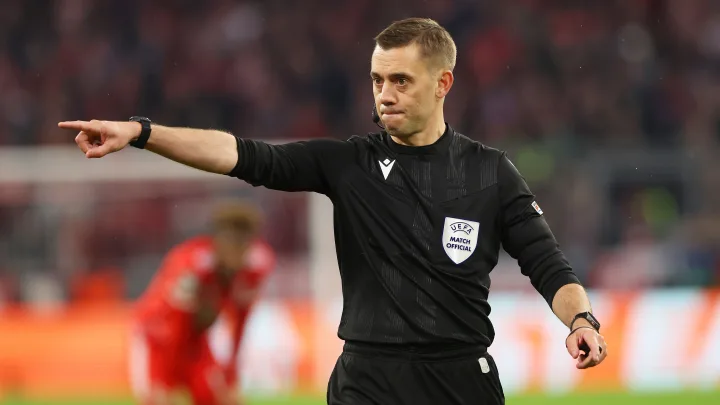
The meaning behind “Who’s the ref?”
In any competitive match football, cricket, basketball, rugby, hockey, MMA, even a neighborhood 5-a-side one of the first questions people ask is: “Who’s the ref?”
It sounds simple, but it’s loaded. Players and coaches aren’t just asking for a name. They’re asking:
-
Is this referee strict or relaxed?
-
Do they give early cards, or let the game flow?
-
Do they get influenced by crowd pressure?
-
Do they have “history” with our team?
This question matters because referees control the rhythm, the physicality, and even the psychology of a game. A single call penalty, red card, offside, foul, no foul can flip a result, change a title race, or end a player’s season. In ice hockey, for example, coaches used to scout specific referees because some “let the boys play” (more physical contact allowed) while others would whistle everything, forcing a more disciplined style. Coaches literally prepared their game plan based on which official was assigned.
So “Who’s the ref?” really means, “What kind of match are we about to step into?”
Referee style: why it changes the whole match
Not all referees are the same. In theory, the rulebook is universal. In reality, sport is fast and chaotic, and almost every decision is a judgment call. One referee might tolerate heavy shoulder-to-shoulder challenges and say “play on,” while another will blow the whistle for the exact same contact. At elite levels this is not random — it’s known, and it’s studied.
Common “ref profiles” players talk about:
-
The Let-It-Flow Ref
Tries to keep the game moving, avoids constant whistles, allows more physical battles. Teams that play aggressive, high-contact styles usually love this ref. -
The Strict Law Book Ref
Calls fouls early, sets the tone, hands out quick yellows or technicals to control emotion. Skill-heavy, tactical teams often prefer this because it protects them. -
The Show Ref / Spotlight Ref
Loud body language, dramatic gestures, “I’m in charge” energy. Sometimes players feel like the match becomes about the referee instead of the athletes. Fans get very emotional with this type. -
The Invisible Ref
Best-case scenario. You barely notice them during the game. They manage tempers, communicate quietly, and the match ends with no drama. Ironically, this is extremely hard to do.
Because different referees tilt the game in different directions, serious teams actually scout officials — just like they scout opponents. In hockey and football (soccer), knowing “who’s the ref” helps predict how tightly the match will be controlled and how much risk you can take with tackles, holding, time-wasting, etc.
Technology, assignments, and the rise of referee databases
At amateur and semi-pro levels rugby is a great example, this question is not just gossip. It’s logistics.
Many rugby unions now use centralized referee management platforms often literally called “Who’s the Ref” (WTR). Clubs log in, check fixtures, and see which official has been assigned to which match. The same software tracks availability, handles schedule changes, and lets teams confirm details with the appointed referee in advance.
Why is that important?
-
Preparation: Teams can adjust their approach if they know the ref calls strict offside lines or is tough on high tackles.
-
Accountability: Everyone knows exactly who’s in charge; there’s less confusion, less last-minute panic like “we don’t have a ref.”
-
Communication: Captains and club managers can reach out midweek to confirm venue, kickoff time, kit colors, etc. Some unions even require midweek confirmation, otherwise the ref is told not to travel for the weekend match because it’s considered “unconfirmed.”
So in that ecosystem, “Who’s the ref?” is part of match planning, just like “Who’s playing No.10?” or “Who’s injured?”
Fans, bias, and conspiracy mode
Let’s be honest: fans almost never say “Who’s the ref?” in a calm, neutral way. They say it with suspicion.
In football (soccer), supporters will instantly pull up the referee’s past record: how many penalties he’s given against us, how many reds he’s shown to our rival, how many fouls per match he averages, etc. Before big rivalry games, supporters’ forums are full of posts like “Oh no, it’s him again, we’re finished.” This culture has existed for years.
Why do fans obsess over that?
-
Narrative memory: Fans remember every controversial decision against their club, and forget favorable ones. So certain refs get branded “anti-us,” even if that’s not statistically fair.
-
Game-changing power: One penalty or red card in the first 10 minutes can completely destroy a tactical plan that coaches spent a whole week building.
-
Human error + social media = instant rage:
In the past, people would complain in the stadium and go home. Now, one slow-motion replay hits millions of screens in seconds, and suddenly a missed call becomes proof of “corruption,” “agenda,” or “rigged league.” -
Identity of the ref becomes part of the hype:
Sometimes the referee almost becomes a character in the pre-match marketing. Broadcasters will say things like “this referee averages the most red cards this season,” and suddenly everyone is expecting chaos.
This is also where memes come in. The internet turned “blame the referee” into a sport of its own. Phrases like “Ref do something” spread on TikTok and anime/sports edits in early 2025, basically a comedic scream for the official to step in and fix some insane moment, even if the situation is way beyond normal control.
That’s the pop culture angle of “who’s the ref”: the ref as a meme, a villain, or a superhero.
Pressure, personality, and why refereeing is brutally hard
When you ask “Who’s the ref?” you’re also really asking: Who is this human who’s about to stand in the middle of 22 angry athletes, 2 furious benches, and 50,000 screaming people and still make split-second judgments with cameras watching from 20 angles?
People underestimate how intense that job is:
-
Physical demand: Top refs need elite fitness. They sprint constantly to stay close to play so that their angle is correct. One bad angle and the whole stadium thinks they’re blind.
-
Psychology: They have to manage ego, violence, desperation, and emotion. A bad tackle in the 89th minute of a 1–1 derby is not just “a foul.” It’s a bomb. Good refs defuse it before it explodes.
-
Communication: The best referees explain decisions in real time: “Number 8, that’s your last warning. Calm down.” Players may still hate the call, but that dialogue often prevents escalation. Silent refs with no personality can actually create more anger, because nobody knows where the line is.
-
Consistency vs. context: This is the impossible part. Fans demand “consistency,” but sport is situational. What’s reckless in a youth match might be normal contact in a pro final. In hockey, even league presidents have publicly admitted that a “foul is a foul only if the referee decides it is, based on the flow of the game.” In other words, there is always judgment and context not just a rulebook robot.
So yes, players obsess over “who’s the ref,” because they’re trying to predict that human factor.
The modern twist: identity, transparency, and fame
Referees used to be kind of anonymous. Not anymore.
Leagues put referee names (not just numbers) on their shirts so everyone can see exactly who’s officiating. The logic was: if fans are going to yell, they should at least yell at the correct person. It also increased accountability and recognizability. In some sports, certain referees are now nearly as recognizable as star players.
This visibility has two effects:
-
Higher respect from some people because referees are seen as professionals with reputations, résumés, and experience.
-
Way more abuse from others, because now angry fans know exactly who to target online afterward.
That’s part of why some rugby unions and regional associations highlight referees in media content — interview-style “Who’s the Ref?” episodes that introduce refs as real people with stories, careers, and ambitions. The goal is to humanize the official and remind everyone: this isn’t a robot, this is a person doing an outrageously difficult job.
So… why does “Who’s the ref?” matter so much?
Because the referee is not just background. The ref:
-
Sets the physical temperature of the match.
-
Controls discipline and protects player safety.
-
Interprets gray areas in real time.
-
Shapes tactics, momentum, even final score.
-
Becomes the lightning rod for blame, emotion, and meme culture.
When you hear players, coaches, or fans urgently ask “Who’s the ref?” before kickoff, they’re not just being dramatic. They’re reading the weather. They’re forecasting how wild, how strict, how fair, how chaotic this game might actually be.
And in modern sport, where one whistle can change a season, that question isn’t small talk. It’s a combination of strategy, psychology, scouting, culture, and sometimes pure survival.