
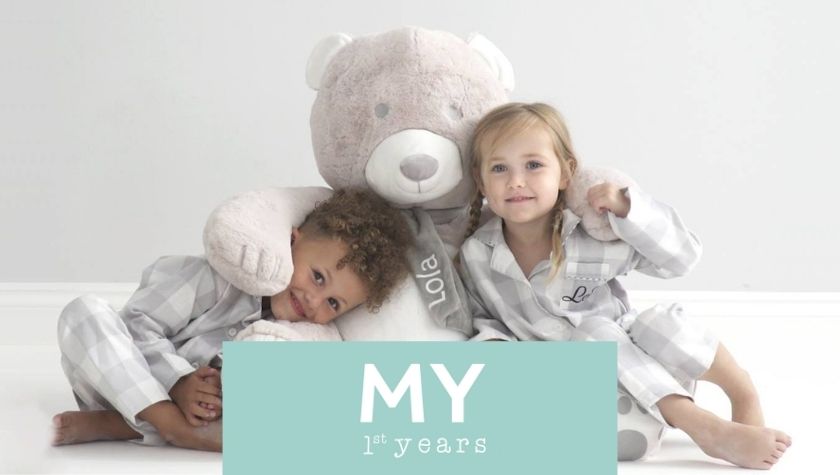
What “My First Years” Really Means
“My first years” are the messy, luminous, everything-at-once chapters where identity begins to bud. It’s the blink-and-it ’s-gone span from birth to around age five when brains wire at lightning speed, routines become rituals, and ordinary days turn into origin stories. In these early seasons, micro-moments warm milk at 3 a.m., a wobbly first step.
The word “again!” chanted quietly at story time set the stage for language, social trust, curiosity, and resilience. Whether you’re a parent, caregiver, or chronicler of a childhood in motion, treating “my first years” with intention means noticing the small things early and often, and building a gentle structure around them.
Milestones That Matter (and Why They’re Only Part of the Picture)
Milestones give shape to those first years: lifting the head, rolling over, sitting, crawling, walking; babbling, first words, two-word phrases; parallel play that gradually becomes collaborative play. They’re helpful, but they’re not a scoreboard. Children grow like wildflowers on their own clocks, in their own colors. Use milestones as signposts, not verdicts.
The more useful lens is pattern and progress: Does the child try new sounds more this month than last? Is balance getting steadier? Do gestures (pointing, waving, reaching) multiply? Celebrate momentum, not calendar dates. And remember: connection fuels development. A caregiver’s responsive smile, shared eye contact, and narrated routines can do more for growth than any app or flashcard ever will.
The Daily Routines That Quietly Build a Life
In the first years, stability is rocket fuel. Think “predictable, not rigid.” A simple scaffold—wake, feed, explore, rest—helps bodies and brains sync.
-
Morning Light: Open curtains, greet the day, stretch tiny limbs. Describe what you’re doing: “We’re zipping your hoodie—zzzzip!” Language blossoms when life is narrated.
-
Mealtimes as Mini-Classrooms: Tiny hands exploring textures, sipping water from a small cup, trying colors and flavors. Offer choices: “Banana or yogurt?” Choice builds autonomy.
-
Play Windows: Alternate active bursts with calm focus. Rotate a small set of toys to keep novelty alive—wooden blocks this week, nesting cups next. Fewer, better items invite deeper play.
-
Wind-Down Rituals: Warm bath, soft towel, the same lullaby. Consistency whispers safety. Sleep isn’t a trick; it’s a habit stacked slowly, cue by cue.
Language, Music, and the Magic of “Again!”
If “my first years” had a soundtrack, it would be repetition. Children rehearse life through encore after encore “again!” is a developmental strategy, not a stalling tactic. Read the same book and add a twist: a new sound effect, a silly pause, a different question. Sing short songs with actions (clap, tap, spin). Use gestures alongside words to braid meaning and motion. Label feelings: “You’re frustrated that the tower fell.” Emotional vocabulary is as vital as numbers and letters. And speak in real sentences rich, warm, and specific. Vocabulary grows on the trellis of conversation, not quizzes.
Play That Teaches Without Looking Like Teaching
The best learning in the first years doesn’t look like school; it looks like play dusted in curiosity:
-
Sensory Play: Dry rice in a tray, scoops and cups, fabric squares to scrunch. Sensation maps the world.
-
Open-Ended Materials: Blocks, crayons, dough, cardboard boxes. Let children author the plot.
-
Nature Minutes: Leaves, shadows, pebbles, birdsong. Outside is the original classroom—free and inexhaustible.
-
Pretend Worlds: A wooden spoon becomes a microphone; a blanket becomes a boat. Imagination rehearses problem-solving and empathy.
-
Co-Play, Then Step Back: Join at first—then follow. Ask, “What else could this be?” Questions open doors; instructions close them.
Big Feelings, Tiny Bodies: Emotional First Aid
The first years come with stormy weather, tantrums, clinginess, and sudden tears. Big feelings aren’t misbehaviour; they’re messages from a nervous system learning its own language. Meet them with calm presence and simple scripts: “You wanted the red cup. You’re mad. I’m here.” Offer choices to restore agency: “Hug or deep breaths?” Name it, hold it, let it pass. Repair is gold if a boundary gets wobbly or voices get loud, circle back: “That was hard. Next time we’ll try slow breaths sooner.” In modeling repair, you teach resilience—the quiet superpower children carry far beyond the first years.
Keepsakes, Photos, and “My First Years” Memory-Making
Documenting early life is part tenderness, part time-travel. Keep it simple and sustainable:
-
One-Line Journal: Write a sentence each night—“Tried mango, clapped at the dog.” Flecks of color add up.
-
Monthly Photo Ritual: Same chair, same blanket, new expressions. Later, string them together into a growth reel.
-
Memory Box: Hospital bracelet, first sock, favorite board book, a scribble drawing. Label with a date and a sentence about why it mattered.
-
Audio Snippets: Record giggles, babble, the first “uh-oh!” Sound is a portal back to a day you’ll forget.
-
Art Archive: Photograph bulky crafts, keep a few originals flat. Curate lightly so the future you says thank you.
Community: It Really Does Take a Village
“My first years” thrive on networks. Trade nap-time hacks with a friend. Text a photo to grandparents. Visit free story hours, parks, and playgroups. When possible, diversify the circle—different languages, foods, songs, and stories. Culture isn’t a unit; it’s a living room full of voices. If challenges crop up—feeding difficulties, speech delays, sensory quirks—community helps you notice patterns and find support. Early help is not labeling; it’s scaffolding. And there’s no prize for going it alone.
Health, Safety, and the Gentle Art of Prevention
Keep checkups and vaccinations on a simple calendar. Baby-proof in layers: anchor furniture, gate stairs, lock chemicals, check cords and blind strings. Choose safe sleep—firm surface, on the back, clutter-free crib. Sun hats outside, helmets when wheels appear, water within arm’s reach. For nutrition, think variety over volume: small bites of color add up to balanced weeks. Hydration is a habit; offer water early. And yes, screens: treat them like spices—small amounts, thoughtfully sprinkled, never the main course.
For the Record: What to Do When You’re Tired
Because you will be. “My first years” glow, but they also stretch nights thin. Practical truths help:
-
Prep in pockets—pack the bag the night before, set out breakfast bowls.
-
Batch what can be batched—laundry by category, meals by base.
-
Accept help the first time it’s offered.
-
Lower the bar where it can drop (dust can wait; diapers can’t).
-
Protect one small ritual just for you—a cup of tea, a five-minute stretch, a page of a book. Caregivers need care to keep giving.
Related: Padiham Medical Centre: Your Friendly Local GP Hub in Padiham
Conclusion
In the end, “my first years” are not a project to complete but a garden to tend. Progress hides in the ordinary: a hand reaching for yours, a gaze that lingers, a laugh that wasn’t there last month. The job is not to perfect childhood; it’s to make it safe, warm, and roomy enough for wonder. If you build days from connection, play, and presence, the rest—words, steps, courage—follows. Years from now, when you open the memory box or replay the giggle file, you’ll see it clearly: a life took root here. And it grew.