
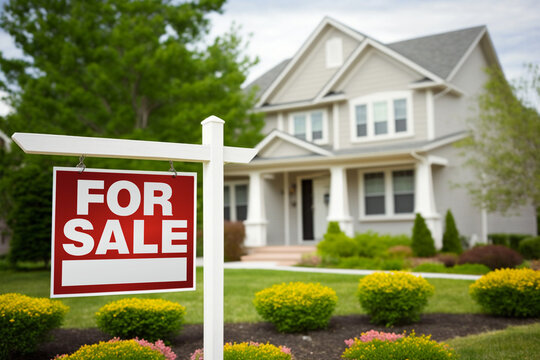
Buying a house is more than just scrolling through listings and falling in love with pretty pictures. When you type “house for sale” into a search bar, you’re really looking for a future, a place to sleep, work, relax, raise a family, or invest your money wisely. Whether you’re a first-time buyer or upgrading from a smaller place, understanding how to evaluate a house for sale can save you stress, time, and a lot of money.
Below is a detailed, easy-to-follow guide to help you look beyond the “For Sale” sign and make a confident decision.
Start With Your Budget and Financing
Before you even step into a house for sale, your budget should be crystal clear. Many buyers do this backwards: they see a beautiful home, fall in love, and only then check if they can actually afford it.
-
Calculate your total budget, not just the sale price. Include taxes, insurance, closing costs, moving expenses, and possible renovation or furnishing.
-
Check your monthly affordability. Think in terms of monthly mortgage payments, not just the big final price. What can you comfortably pay every month without sacrificing essentials?
-
Get pre-approved for a loan (if applicable). A pre-approval letter shows sellers you’re serious and also gives you a clear price range to target.
Having your finances sorted keeps you focused on realistic options and prevents heartbreak over houses that are outside your reach.
Location: The One Thing You Can’t Change
You can repaint walls, remodel kitchens, and redesign a garden — but you can’t move the house. That’s why location is one of the most important factors when you’re evaluating any house for sale.
Ask yourself:
-
Daily life convenience: How far is it from work, schools, markets, pharmacies, and public transport?
-
Neighborhood vibe: Is it quiet or busy? Family-friendly or more commercial? Safe at night?
-
Future development: Are there upcoming roads, malls, or infrastructure projects that might increase (or decrease) the property value?
Walk the area at different times of the day if possible. A neighborhood that looks calm at noon might be noisy and crowded at night. Remember: you’re not just buying a building, you’re buying into a lifestyle.
Evaluating the House Itself: Structure, Layout, and Condition
Once a location feels right, the next step is examining the actual house for sale in detail. Don’t be shy about looking closely — this is a major investment.
Key things to check:
-
Structure and age: Are there cracks in the walls, damp spots, or signs of water leakage on ceilings or around windows? How old is the building?
-
Layout and space: Does the floor plan make sense for your lifestyle? Is there enough natural light? Are bedrooms and bathrooms where you’d expect them to be?
-
Plumbing and electrical: Check taps, water pressure, drainage, and the condition of wiring and switchboards. Repairs in these areas can be expensive.
-
Roof and exterior: Look at the condition of the roof, exterior paint, and any outdoor areas like balconies, terraces, or gardens.
A house might look beautiful in photos but hide serious issues. If you’re unsure, consider a professional inspection. A small fee upfront can save you from massive repair costs later.
Essential Features and “Nice-to-Haves”
Every buyer has priorities. When you’re comparing more than one house for sale, it helps to separate must-have features from nice-to-have extras.
Common must-haves might include:
-
Number of bedrooms and bathrooms suitable for your family size
-
A secure entry and reliable locking system
-
Adequate storage space (closets, cabinets, or a storeroom)
-
Parking (garage or driveway) if you own a car
-
Good ventilation and sunlight in main living areas
Nice-to-haves could be:
-
A modern modular kitchen
-
A dedicated home office or study area
-
A balcony, terrace, or garden for relaxation
-
Built-in wardrobes or stylish interior finishing
-
Extra living spaces like a family room or media room
When you view a house, mentally tick off which category each feature belongs to. A property that nails your must-haves is usually more valuable than a flashy home with extras but missing basics.
Understanding the True Cost of a House for Sale
The listing price is just the tip of the iceberg. To really judge whether a house for sale is a good deal, you need to see the full financial picture.
Consider:
-
Purchase price: The advertised price, which may be negotiable.
-
Closing costs: Legal fees, documentation, taxes, and other charges that come at the end of the transaction.
-
Renovation or repair: Painting, fixing leaks, upgrading flooring, kitchen or bathroom remodels, etc.
-
Ongoing costs: Property tax, utilities, maintenance, homeowners’ association or community fees if applicable.
Two houses at the same price can have very different total costs once you add everything up. Sometimes, a slightly more expensive but well-maintained house ends up cheaper than a lower-priced home that needs major repairs.
Legal Checks and Documentation
When you are serious about a specific house for sale, don’t skip the legal side. This part isn’t glamorous, but it protects you from future headaches.
Important legal points:
-
Clear ownership: Make sure the person selling the house is the legal owner and has the right to sell.
-
Property documents: Verify title deeds, tax receipts, building approvals, and any previous loans or mortgages on the property.
-
Restrictions or disputes: Check for any legal disputes, shared ownership issues, or restrictions (for example, on renovation or reconstruction).
If possible, consult a trusted legal professional. It’s better to ask questions now than fight legal battles later.
Negotiation and Making an Offer
Very rarely is the first listed price the final price. When a house for sale catches your eye, negotiation is part of the game.
Tips for a smarter offer:
-
Research similar properties in the area: What are other houses selling for with similar size and features?
-
Use condition as leverage: If you notice repairs are needed, factor this into your offer.
-
Be realistic and respectful: A very low, unrealistic offer can annoy the seller and close doors. A fair, data-backed offer increases your chances.
Once both sides agree on a price and terms, you move to the formal paperwork and payment stages.
Thinking Long-Term: Resale Value and Lifestyle
A house for sale isn’t just about immediate comfort; it’s a long-term asset. Even if you plan to live there for many years, it’s smart to consider resale value.
Factors that support strong future value:
-
A good, well-connected neighborhood
-
Nearby schools, hospitals, markets, and transport
-
Low crime rates and a positive community reputation
-
Quality construction and well-maintained surroundings
Also think about how your life might change: Will you need more space later? Will a ground-floor home be better for older family members? Will a spare room help if you work from home or have children in the future?
Related: A Complete Guide to Choosing the Best Shower Trays for Your Bathroom
Conclusion
Every “house for sale” is more than walls and windows; it’s a combination of money, emotion, and long-term planning. When you slow down, study your budget, explore locations, carefully inspect the property, and respect the legal and financial details, you move from guessing to informed decision-making.
Don’t rush just because a listing looks perfect at first glance. Compare options, ask questions, and picture your daily life inside that space. When all the pieces fit — budget, comfort, safety, and future potential — that’s when a simple house for sale truly becomes your home.