
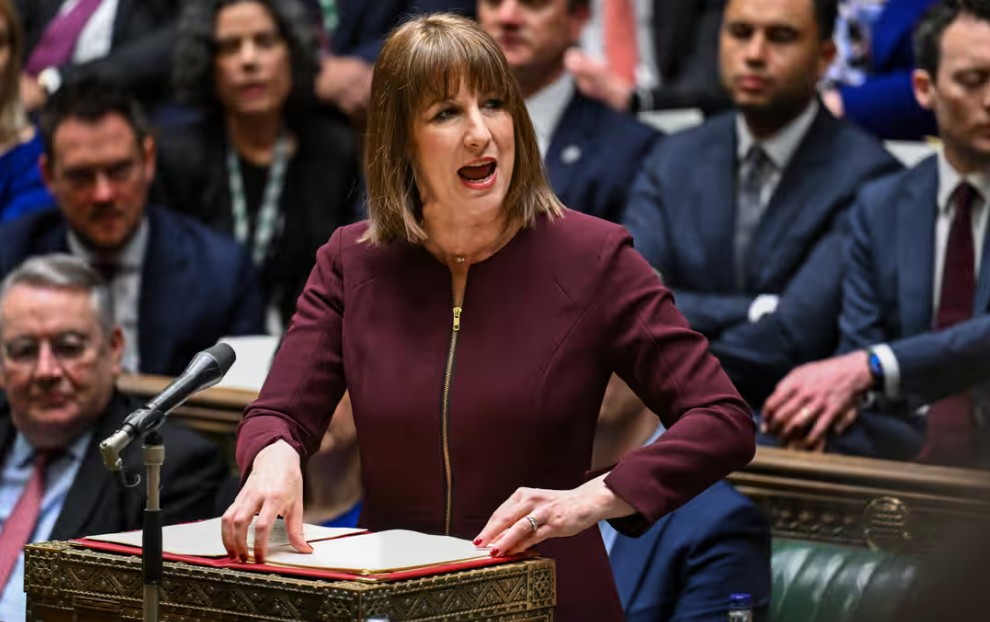
When Rachel Reeves stepped into her role as the UK Chancellor in July 2024, she arrived with a clear agenda: stabilize public finances, tighten the efficiency of government spending, and modernize long-standing schemes that may no longer function as intended. Among the many policies under review, one unexpected area has caught widespread public attention, the Cycle to Work scheme, a cornerstone of Britain’s push for more sustainable commuting.
For years, the scheme has allowed employees to purchase bicycles through salary sacrifice arrangements with substantial tax advantages. It has encouraged thousands of commuters to leave their cars at home and has contributed to both greener cities and healthier lifestyles. However, recent reports and government analysis indicate that portions of the scheme may be drifting away from its original purpose. As Reeves prepares her Autumn Budget for November 2025, early discussions suggest possible bike tax changes that could reshape the way Britons access bicycles through their employers.
This article explores what those changes may look like, why they’re being proposed, and how they could affect employers, employees, and the UK cycling industry.
Background on the Cycle to Work Scheme
The Cycle to Work scheme was introduced with a simple goal: help employees purchase bicycles affordably by offering tax incentives through salary sacrifice. In practice, employees choose a bike, their employer buys it, and the employee repays the cost through monthly deductions from their gross salary. Because these deductions occur before tax, individuals save money on income tax and National Insurance.
For many years, the scheme included a £1,000 spending cap because it fell under the UK’s consumer credit regulations. But in 2019, the rules changed, allowing employers to offer the scheme without the cap — meaning employees could now purchase high-value road bikes, e-bikes, and even premium models costing £4,000 or more.
The result was a surge in both interest and diversity of use. Cycle scheme providers reported dramatic growth, particularly among:
-
Workers with long commutes using electric bikes
-
Fitness enthusiasts balancing commuting with recreation
-
High-income earners purchasing top-tier carbon-frame models
Beyond accessibility, the scheme contributed significantly to public health, reduced carbon emissions, and supported the UK’s broader active-travel strategies.
However, with rising costs and pressure to optimize tax expenditure, the government is now reassessing how well the uncapped scheme aligns with its original purpose.
Why Rachel Reeves Is Proposing Changes
According to early Treasury insights, the review is not about undermining cycling culture but ensuring tax relief is used appropriately. Feedback provided to the Chancellor indicates several concerns:
1. Misuse by High Earners
While the scheme was designed to support commuting, data shows a growing trend of high-income earners purchasing:
-
Carbon racing bikes
-
Premium electric mountain bikes
-
Leisure models priced at £4,000–£7,000
In many cases, these bikes are used primarily for recreational weekend riding rather than daily commuting.
2. Concern Over Escalating Tax Costs
The tax relief associated with expensive bikes can be substantial — stretching the intended purpose of encouraging sustainable travel into a loophole for luxury purchases.
3. Broader Efforts to Improve Fiscal Efficiency
The Reeves-led Treasury has been tasked with reviewing all major tax reliefs to eliminate unnecessary spending. The Cycle to Work scheme, despite being beneficial, is under scrutiny due to:
-
Growing costs absorbed by HMRC
-
Inconsistent employer adoption
-
Limited evidence that expensive bike purchases correlate with increased commuting
As a result, Reeves is expected to outline targeted reforms designed to restore fairness and bring the scheme back to its core commuting focus.
Details of the Proposed Bike Tax Changes
While the final policy will not be confirmed until the Autumn Budget in November 2025, several expected reforms have circulated through policy discussions, cycling groups, and employer networks.
1. Reintroduction of a Spending Cap
The most likely change is the introduction of a cap on the maximum value of bikes eligible for tax relief. Early suggestions point to a range between £1,500 and £2,000, which would:
-
Allow high-quality commuter bikes
-
Limit access to premium racing bikes
-
Restrict luxury electric models with large battery systems
This is seen as a way to prevent excessive claims without dismantling the scheme altogether.
2. Impact on Electric and Long-Distance Commuters
Many modern commuters rely on electric bikes to manage:
-
Long commuting distances
-
Hilly routes
-
Age or mobility challenges
A strict cap may make e-bikes less accessible unless the cap is set high enough to include mid-tier models (typically £1,800–£2,500). Electric cycling advocates argue that restricting access could actually reduce sustainable transport adoption.
3. Expected Timeline
-
Consultation throughout early 2025
-
Final policy details announced in Autumn Budget 2025
-
Revised scheme implementation likely by early 2026
While these details remain unconfirmed, they align with the Treasury’s broader timeline for tax system modernization.
Implications of the Changes
Effect on Employees
The impact will vary significantly depending on income and commuting needs.
Positive Effects for Middle and Lower Earners
-
More focused tax relief on affordable commuter bikes
-
Reduced competition with high-earner luxury purchases
-
More equitable scheme access
These groups were the original intended beneficiaries of Cycle to Work, and they may see the scheme become more accessible again.
Negative Effects for High Earners & Cycling Enthusiasts
Those who relied on the scheme to purchase:
-
Premium e-bikes
-
High-performance carbon models
-
Multi-thousand-pound road bikes
…will likely face out-of-pocket costs if a new cap is introduced.
Effect on Employers and Scheme Providers
Employers will need to:
-
Update HR policies
-
Adjust salary sacrifice limits
-
Communicate new rules to staff
-
Ensure compliance with revised guidelines
Scheme providers will also need to restructure their offerings, potentially emphasizing mid-range models and expanding accessory support.
Alternative Suggestions and Solutions
Rather than imposing a blunt spending cap, various stakeholders have proposed more nuanced alternatives.
1. Tiered Limits Based on Income
Higher earners could face a lower subsidy, while lower-income employees retain more generous tax relief. This approach:
-
Targets misuse
-
Protects fairness
-
Supports sustainability goals
2. Clearer Commuting Guidelines
The government could tighten rules around:
-
Minimum commuting frequency
-
Documentation of bike use
-
Penalties for recreational-only usage
This would preserve premium bike access while preventing misuse.
3. Expand Eligibility Beyond Bike Purchase
Some groups suggest the scheme should support:
-
Maintenance costs
-
Safety gear (locks, helmets, lights)
-
Cycle training
-
Battery replacements for e-bikes
This would strengthen long-term cycling adoption and safety.
Public and Industry Response
Cycling Advocates & Environmental Groups
Their reactions have been mixed. Many agree that misuse exists, but warn that overly restrictive caps could reduce cycling uptake and undermine decarbonisation goals. They argue for protecting access to electric bikes, which have become essential for many commuters.
Employers & Existing E-Bike Users
Some employers welcome the clarity that reforms might bring, but many long-distance e-bike users fear the changes could price them out of sustainable commuting options.
Industry Voices
Bike retailers and manufacturers have urged the government to avoid one-size-fits-all reforms. They warn that caps set too low could:
-
Reduce sales
-
Hurt e-bike adoption
-
Undermine the cycling industry’s post-pandemic recovery
Instead, industry groups push for gradual reform, income-based adjustments, and better enforcement, rather than strict cuts.
Related: Sophie Khan Levy: The Magnetic Talent Behind EastEnders’ Priya Nandra-Hart
Conclusion
Rachel Reeves’ proposed bike tax changes signal a pivotal moment for the Cycle to Work scheme. While the Treasury aims to curb misuse and redirect the program toward its original purpose, the final outcome will need careful balancing. The scheme has long been a bridge to healthier lifestyles, greener commutes, and more accessible cycling but excessive spending on luxury models has challenged its sustainability.
As the UK approaches the Autumn Budget of 2025, employees, employers, and cycling advocates alike will be watching closely. The key question is whether the reforms will reinforce fairness while still encouraging widespread cycling adoption.
For anyone who relies on cycling whether for cost savings, health, or environmental commitment now is the time to stay informed, participate in consultations, and help shape a scheme that remains both sustainable and equitable for the future.