
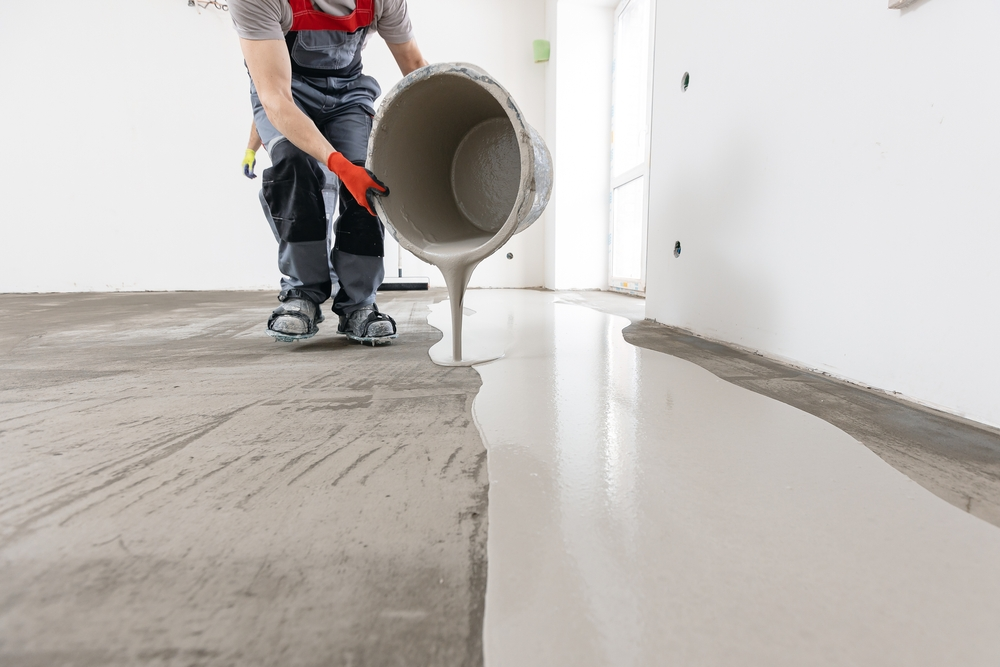
Creating a perfectly level floor surface might sound simple, but anyone who has renovated a room, repaired an old basement, or installed new flooring knows the truth: floors are rarely as flat as they appear. Dips, bumps, cracks, and subtle slopes can ruin even the most expensive flooring installation. This is where self levelling compound becomes a game-changer.
A self levelling compound is one of the most reliable materials in modern construction and renovation work. It transforms uneven, damaged, or rough subfloors into smooth, flat, and stable surfaces—often within hours rather than days. Whether you’re preparing for tiles, hardwood, vinyl, or carpet, this compound ensures long-lasting and professional-grade results.
This blog post dives deep into what self levelling compound is, how it works, its many uses, how to apply it correctly, and how to choose the right one for your flooring project.
What Is Self Levelling Compound?
Self levelling compound (SLC) is a cement-based mixture designed to flow easily and settle into a flat, level surface without much manual effort. While it behaves like a thick liquid when mixed, it hardens into a strong, durable layer similar to concrete.
Composition
Most self levelling compounds contain:
-
Cement (often Portland cement or gypsum-based)
-
Fine sand
-
Polymer additives that improve flexibility, flow, and adhesion
-
Water-reducing agents to maintain smoothness
-
Leveling agents that allow the mixture to spread and self-correct
These additives give the compound its unique ability to flatten out naturally—something traditional concrete cannot achieve.
Types of Self Levelling Compounds
There are three main categories:
1. Portland Cement-Based
-
Highly durable
-
Moisture-resistant
-
Best for basements, garages, laundry rooms, and outdoor applications
2. Gypsum-Based
-
Great for interior floors
-
Ideal for wood subfloors
-
Lighter weight and easier to spread
3. Hybrid Compounds
-
Combine gypsum and Portland
-
Offer both smoothness and moisture resistance
-
Useful for mixed-material subfloors
Where Is It Commonly Used?
Self levelling compound can be applied on a variety of surfaces:
-
Concrete floors
-
Wood subfloors (plywood, OSB)
-
Ceramic tiles
-
Old vinyl or laminate (when properly prepared)
-
Underfloor heating systems
Wherever the floor needs a uniform, flat finish, this compound becomes the foundation for a flawless installation.
Benefits of Using Self Levelling Compound
Using SLC provides multiple advantages that make it superior to traditional floor leveling methods.
1. Creates a Smooth, Level Surface Quickly
The compound flows out naturally, filling low spots and eliminating small imperfections. Once poured, it begins leveling itself, requiring minimal spreading and no extensive manual correction.
2. Saves Significant Time and Effort
While older methods require repeated mixing, troweling, and sanding, self levelling compound can be poured and ready for flooring installation within hours.
3. Enhances Floor Adhesion
Tile adhesives, vinyl glues, and wood flooring underlayments work best on perfectly flat surfaces. A level subfloor prevents hollow spots, buckling, and uneven wear.
4. Ideal for Challenging Areas
Floors with:
-
Cracks
-
Uneven dips
-
Slopes
-
Old damage
benefit greatly from SLC because it binds together into a strong, unified surface.
When and Why to Use Self Levelling Compound
Whether you’re a DIY enthusiast or a professional, there are many scenarios where this material is invaluable.
1. Preparing Subfloors for New Flooring
Every flooring material—tile, hardwood, carpet, laminate, vinyl—requires a flat foundation to:
-
Avoid shifting
-
Prevent gaps
-
Increase durability
-
Improve visual appearance
Even small imperfections can lead to long-term issues.
2. Repairing Old or Damaged Concrete Floors
Basements, garages, and utility rooms often have:
-
Cracks
-
Pitted surfaces
-
Moisture wear
Self levelling compound fills and smooths these imperfections with ease.
3. Ideal for DIY Projects
Because the mixture does most of the leveling work on its own, homeowners can achieve professional results with basic tools and careful preparation.
4. Beneficial for Professional Flooring Jobs
Professionals use SLC to guarantee a predictable, consistent base that ensures customer satisfaction and long-lasting installations.
How to Use Self Levelling Compound: Step-by-Step Guide
Tools and Materials Needed
-
Mixing bucket
-
Drill with mixing paddle
-
Measuring jug
-
Trowel or spreader
-
Spirit level or laser level
-
Primer (for improving adhesion)
-
Protective gloves and goggles
1. Prepare the Subfloor
-
Clean thoroughly
-
Remove dirt, dust, grease, and old adhesives
-
Fill deep cracks beforehand
-
Apply a suitable primer to improve bonding
2. Mix the Compound
Follow the manufacturer’s instructions closely—each brand has specific water-to-powder ratios.
-
Pour water into the bucket
-
Add powder gradually
-
Mix using a drill paddle until the texture becomes smooth and lump-free
-
Avoid whipping air into the mix, which can cause bubbles later
3. Pouring the Compound
Start at the lowest point of the floor:
-
Pour the compound steadily
-
Let it flow naturally across the surface
-
Use a trowel to push the material lightly into corners or edges
-
Work quickly; the compound sets fast (usually within 10–20 minutes)
4. Maintain Consistent Thickness
Most compounds allow application between:
-
3 mm to 50 mm in a single pour
Use a level to guide your thickness if your floor requires specific measurements.
5. Drying and Curing
Drying times vary:
-
Light foot traffic: 2–4 hours
-
Flooring installation: 12–24 hours
-
Full cure: 24–48 hours
Avoid drafts or excessive heat during drying, as they can cause cracking.
6. Safety Precautions
-
Wear gloves and goggles
-
Ensure proper ventilation
-
Clean spills immediately—SLC hardens quickly
-
Never kneel or walk on the compound before it has cured
Choosing the Right Type of Self Levelling Compound
Not all SLCs are universal. Choosing the right one ensures maximum durability and compatibility.
1. Consider the Floor Type
-
Concrete: Portland cement-based compounds
-
Wood: Gypsum or hybrid compounds
-
Bathrooms and basements: Moisture-resistant Portland cement types
2. Look at Thickness Requirements
If you need a deeper fill, choose compounds designed for:
-
Deep pours
-
Multi-layer applications
3. Moisture Conditions
Moisture levels influence the lifespan and performance of the finished floor. Always choose moisture-resistant formulas for wet or humid rooms.
Common Problems and How to Avoid Them
1. Bubbling
Usually caused by:
-
Overmixing
-
Introducing air
-
Not priming the subfloor
Solution:
Mix gently and always apply primer.
2. Cracking
Often due to:
-
Rapid drying
-
Extreme temperature changes
-
Too much water in the mix
Solution:
Follow instructions strictly and maintain stable environment conditions.
3. Weak or Powdery Surface
Caused by improper ratios or mixing.
Solution:
Use correct measurements and mix thoroughly.
Maintenance and Durability
Self levelling compound is extremely durable when applied correctly.
Protecting the Surface
Before laying new flooring:
-
Avoid walking on it too soon
-
Prevent water spills
-
Keep pets and tools away
Lifespan
A properly applied SLC layer can last decades, especially when protected by tile, wood, or vinyl flooring.
Related: Luxury Villas Provence Le Collectionist: Live the French Riviera Dream in the Heart of Provence
Conclusion
Self levelling compound is one of the most practical, time-saving, and valuable materials in construction and renovation. Its ability to turn an uneven, damaged floor into a smooth, professional-grade surface makes it indispensable for both DIY homeowners and flooring experts. From preparing subfloors to repairing concrete surfaces, this compound takes the guesswork out of achieving the perfect foundation.
If you want flawless flooring and long-lasting results, self levelling compound is the smart choice. Whether you’re tackling a small home project or planning a large renovation, using this material can make all the difference between an average floor and an exceptional one.
FAQs
Can self levelling compound be applied over wood?
Yes, but wood must be primed and reinforced to prevent movement.
How thick can I apply the compound in one go?
Most compounds allow 3–50 mm in a single application, depending on brand.
What is the typical drying time?
Usually 12–24 hours before installing new flooring.
Can I use it outdoors?
Yes, but only Portland cement-based compounds designed for moisture exposure.