
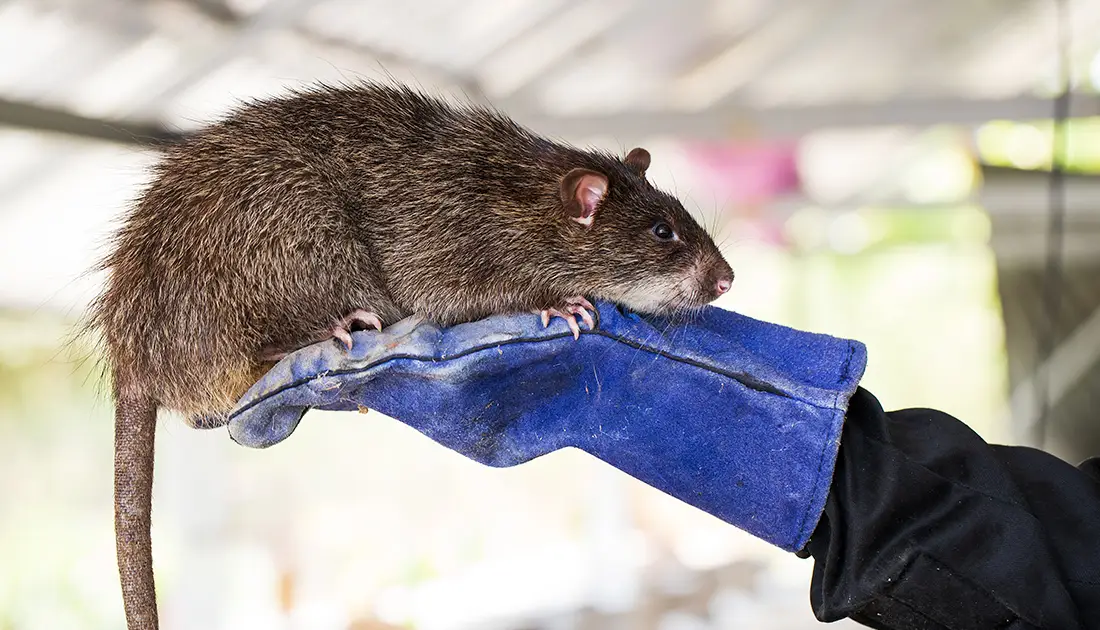
Every few months, a photo pops up online that stops the UK in its tracks: a giant rat UK sprawled across a wheelie bin, stretching nearly the size of a house cat, its long tail hanging like a rope. Within minutes, the image explodes across Facebook groups and WhatsApp chats. Some people scream “Photoshop!”, others swear the rats in their town are getting bigger by the week, and a good number simply wonder: What on earth is happening in the UK with these giant rats?
As dramatic as these viral photos look, there’s a surprising amount of real information and misinformation circulating around the topic. Today, giant rats in the UK are not just social-media entertainment; they’re becoming a genuine urban issue. And yes, some of them really are reaching jaw-dropping sizes.
Let’s break down the truth from the rumours, the science from the shock factor, and the genuine concerns every UK homeowner should know.
What Exactly Is a Giant Rat UK?
When people say “giant rat,” they’re almost always referring to the brown rat (Rattus norvegicus), the most common species across the UK. A typical adult brown rat measures:
-
Body: 20–25 cm
-
Tail: 17–23 cm
-
Weight: 250–500 grams
So where do these monstrous, cat-sized rats come from?
In rare cases, exceptionally well-fed or genetically larger rats can reach 45–50 cm nose-to-tail—that’s around 18–22 inches. These are the “super rats” that make headlines, with some pest controllers reporting the occasional rat weighing up to 700–900 grams. While these oversized individuals are not the norm, they’re definitely not myths.
The key takeaway:
Giant rats do exist in the UK, but they’re the extreme end of the spectrum, not the standard.
Why Giant Rats Are Appearing More Often in the UK
There isn’t a single cause. Instead, several overlapping factors are making UK environments perfect breeding grounds for larger and bolder rats.
1. An All-You-Can-Eat Buffet of Urban Waste
Rats thrive where humans leave food behind. Overflowing wheelie bins, takeaway leftovers, black bags left on the pavement, and overfilled bird feeders work together to create a constant supply of calories.
The more food they have, the faster they grow—and the larger their body size can get.
2. Warmer Winters
Climate change is quietly turbocharging the rat population. Milder winters mean:
-
Higher survival rates
-
More breeding cycles per year
-
Fewer natural die-offs
Rats reproduce rapidly, and with less cold weather killing them off, their numbers—and their size potential—only go up.
3. Resistant “Super Rats”
Some rat populations have developed resistance to common rodenticides. That means many survive poisons long enough to breed, expanding the pool of strong, genetically resilient rats. These aren’t mutant monsters—but they are tougher, smarter, and more adaptive than past generations.
4. Ageing Sewers and Broken Drainage Systems
UK towns full of Victorian drains and cracked pipes create a perfect underground highway system for rats. They can move freely, nest safely, and pop up almost anywhere—bathroom pipes, garden drains, loft spaces and cavity walls.
5. Reduced Council Pest-Control Resources
In some areas, years of budget cuts have resulted in fewer pest-control visits and slower responses. During bin strikes or staffing shortages, infestations can grow unchecked, giving rats plenty of time to expand their numbers.
Where Are Giant Rats Most Commonly Reported?
Reports of giant rats come from all over the UK, but a few areas appear repeatedly in local news:
-
North Yorkshire / Teesside – Several “cat-sized” rats photographed in gardens and streets
-
Birmingham – One of the UK’s most talked-about rat hotspots
-
London – High population density + endless food sources = perfect rat territory
-
Glasgow – Repeated reports of giant rats near bins, parks, and rivers
While rural sightings happen, giant rats are almost always an urban problem. Big cities generate more waste, have more hiding places, and provide constant warmth from buildings and heating systems.
Are Giant Rats UK Dangerous?
A large rat looks scary, but the danger isn’t actually in the size—it’s in the diseases and damage rats can cause.
1. Diseases Spread by Rats
Giant or normal-sized, rats can carry:
-
Leptospirosis (Weil’s disease)
-
Salmonella
-
Hantavirus
-
Rat-bite fever
Direct interaction is rare—rats usually avoid humans—but contaminated surfaces, soil, or standing water can transmit bacteria.
2. Property Damage
Rats have extremely strong teeth. They chew:
-
Electrical wires
-
Water pipes
-
Insulation
-
Food containers
-
Wooden beams
-
Plastic bins
A single persistent rat can cause hundreds of pounds worth of damage in hidden places like lofts and crawlspaces.
3. Bolder Behaviour
Bigger rats are often less afraid, especially if they grew up around constant human noise. They may venture out earlier in the evening or explore gardens and sheds in broad daylight.
Myths vs. Facts About Giant Rats in the UK
Rats are evolving into a new giant species.
Fact: All “giant rats” are still brown rats—just unusually large individuals.
There are dog-sized rats in UK sewers.
Fact: Photos often use forced perspective. While some rats are large, none reach the size of an actual dog.
Poison no longer works at all.
Fact: Some rats are resistant to older poisons, but modern pest-control strategies remain effective when used correctly.
Giant rats only live in sewers.
Fact: They thrive in gardens, garages, lofts, abandoned buildings, drains, parks, and overgrown vegetation.
How to Know If Giant Rats Are in Your Area
Common signs include:
-
Large droppings (up to 2 cm, dark and tapered)
-
Gnaw marks on wood, bins, or cables
-
Scratching or scurrying in walls, floors, or lofts
-
Burrow holes along fences, sheds or decking
-
Shredded insulation or paper used for nesting
-
Unusual pet behaviour, like staring at walls or sniffing one corner repeatedly
If any of these signs appear, especially near food sources or drains, there’s a strong chance rats—possibly large ones—are nearby.
How to Rat-Proof Your Home and Garden (Practical Tips)
You don’t need traps everywhere. You need prevention. Here’s what professionals recommend:
1. Secure Your Bins
-
Keep lids tightly shut
-
Store bags inside bins, not beside them
-
Clean spills and leaks around bins
2. Eliminate Food Sources
-
Don’t leave pet food outside
-
Reduce bird feeder waste
-
Keep compost tightly sealed
3. Block Entry Points
Rats can squeeze through 2–3 cm gaps. Seal:
-
Gaps under doors
-
Holes around pipes
-
Cracks in exterior walls
-
Vents without mesh
4. Maintain Garden Areas
-
Keep grass trimmed
-
Remove clutter
-
Lift firewood off the ground
5. Check Drains and Plumbing
This is one of the biggest overlooked causes. Install rat flaps if you have an old drainage system.
Should You Call Pest Control for a Giant Rat?
If the rat is very large, is behaving boldly, or appears during daylight, calling a professional is wise. Pest controllers use:
-
Bait stations
-
Snap traps
-
Tracking dust
-
Drain surveys
-
Property proofing
-
Follow-up visits
They can also determine whether you’re dealing with one large rat or a deeper infestation.
Related: Best Dog Car Seats: Complete Buying Guide + Top 10 Picks
Conclusion
The idea of giant rats roaming Britain might sound like something from a viral headline, but the truth is simpler and more concerning. The UK’s rat population is booming. Food waste, warmer weather, sewer access, and urban overcrowding create the perfect environment for rats to thrive, sometimes reaching extraordinary sizes.
Giant rats aren’t science fiction. They’re a symptom of a growing urban challenge. While they remain rare compared to normal-sized rats, their visibility is increasing, and so is public concern.
The good news? With proper waste management, home proofing, and timely pest-control action, the situation is completely manageable. You don’t need to fear giant rat,s but you do need to stay informed and proactive.