
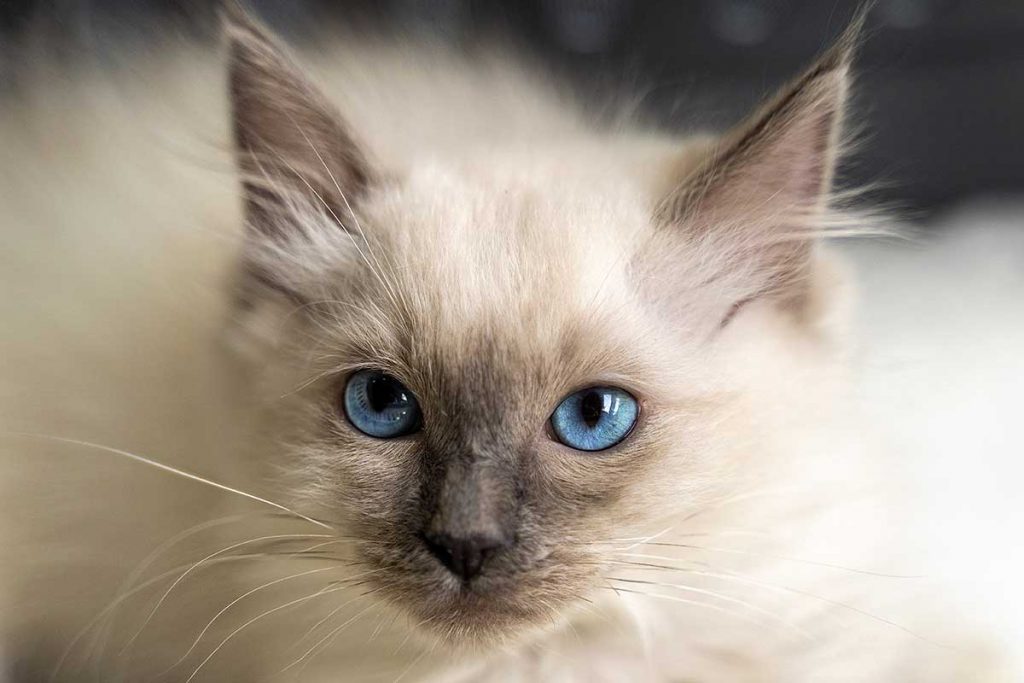
If you’ve been searching for Ragdoll kittens for sale, chances are you’ve already fallen in love with their sapphire-blue eyes, floppy bodies, and famously affectionate personalities. Ragdolls aren’t just pretty cats—they’re one of the most people-oriented breeds in the world. Whether you want a cuddly lap companion, a calm family pet, or a kitten with show-stopping beauty, Ragdolls deliver it all.
But before you start browsing adorable kitten photos, it’s important to understand the breed, the real cost, how to choose a reputable breeder, and what to expect when bringing a Ragdoll kitten home. This guide covers everything you need—from breed history to pricing, care requirements, breeder questions, adoption steps, and more.
Understanding the Ragdoll Breed
History & Origins
The Ragdoll breed began in the 1960s in Riverside, California, when breeder Ann Baker selectively bred long-haired domestic cats to produce the gentle, floppy temperament Ragdolls are famous for. Their name comes from this “ragdoll” trait—many go completely limp when picked up, relaxing in your arms like a soft plush toy.
By 1993, the breed was registered with the Cat Fanciers’ Association (CFA), and by 2000 it had earned full championship status. Since then, Ragdolls have become one of the most sought-after purebred cats globally.
Physical Characteristics
Ragdolls are one of the largest domesticated cat breeds.
-
Males: 15–20 lbs
-
Females: 10–15 lbs
They mature slowly, taking 3–4 years to reach full size.
Their coat is semi-long, silky, and surprisingly easy to care for because they lack a dense undercoat. All Ragdolls have striking blue eyes, though shades vary.
Patterns include:
-
Colorpoint
-
Mitted
-
Bicolor
-
Van
Colors range from seal and blue to chocolate, lilac, cream, red, tortie, and lynx variations.
Temperament & Personality
Ask any Ragdoll owner and they’ll tell you: this breed behaves more like a dog than a cat. They’re often called “puppy cats” because they follow their humans around, greet them at the door, and love being held.
They’re gentle, affectionate, and easygoing—perfect for families with children or other pets. They’re playful but not hyperactive, intelligent enough to learn tricks, and devoted enough to stay curled in your lap for hours.
Ragdoll Kitten Pricing Guide (2024–2025)
Current Market Prices
As Ragdolls grow in popularity, prices continue to rise. In the current market:
-
Pet-quality: $1,500–$3,500
-
Show-quality: $1,800–$5,000+
-
Breeder-quality: $4,000–$7,000+
-
Premium bloodline kittens: $3,500–$5,000
-
Retired adults: $500–$800
-
Rescue/adoption: $50–$250
Prices vary significantly by region, breeder reputation, color rarity (blue bicolor and lynx patterns cost more), and what’s included in the adoption package.
Why Are Ragdolls Expensive?
Several factors influence cost:
-
TICA/CFA registration
-
Champion bloodlines
-
Health testing (HCM, PKD, PRA, PK Def)
-
Spay/neuter and vaccinations
-
Microchipping
-
Breeder experience
-
High demand and long waitlists
If a price seems “too cheap,” it usually means corners are being cut.
How to Choose a Reputable Ragdoll Breeder
Choosing a trustworthy breeder is the most important step in the entire process. A responsible breeder ensures your kitten is healthy, well-socialized, and bred ethically.
Essential Breeder Qualifications
A reputable Ragdoll breeder should:
-
Be registered with TICA or CFA
-
Perform genetic testing for HCM, PKD, PRA, and PK Def
-
Provide a written health guarantee (2–5 years is common)
-
Have a clean, transparent cattery environment
-
Socialize kittens in-home, not in cages
-
Have a website, reviews, and references
-
Offer pedigree documentation
-
Know the breed deeply and answer your questions confidently
Red Flags to Avoid
Run if you see any of these:
-
No registration papers
-
No health testing
-
Poor communication
-
Extreme rush to sell
-
“Too good to be true” prices
-
Only selling through classified ads
-
Refusal to show parent cats
-
Dirty or overcrowded living spaces
Questions to Ask Your Breeder
-
How long have you been breeding Ragdolls?
-
What health tests do you perform?
-
Can I see the parents and pedigrees?
-
What’s included in the adoption fee?
-
Do you provide a health guarantee?
-
How do you socialize your kittens?
-
What is your spay/neuter policy?
-
Do your kittens come with registration papers?
Evaluating the Cattery Environment
Healthy catteries are clean, spacious, and smell fresh. Kittens should be raised inside the home, interacting with people, children, and pets. They should be alert, friendly, curious, and playful—not fearful or lethargic.
What’s Included When You Buy a Ragdoll Kitten
Most reputable breeders include a professional adoption package. This typically contains:
Health Documentation
-
Vet health certificate
-
Vaccination records (FVRCP)
-
Deworming
-
2–5 year genetic health guarantee
-
HCM protection guarantee
Registration Papers
-
TICA or CFA registration
-
Pedigree documentation
-
Spay/neuter certificate (for pet-quality kittens)
Extra Items
-
Microchip
-
Starter food
-
Toys or a blanket with mom’s scent
-
30 days free pet insurance
-
Lifetime breeder support
Preparing for Your Ragdoll Kitten
A new kitten needs a safe, cozy environment. Expect initial setup costs of $200–$500, including:
-
Litter box + litter
-
Feeding bowls
-
Scratching posts
-
Cat tree
-
Carrier
-
Toys
-
Grooming supplies
Ongoing Monthly Expenses
-
Food: $30–$80
-
Litter: $15–$30
-
Pet insurance: $20–$100
-
Grooming: $30–$110
-
Annual vet care: $100–$500
Ragdoll Care Requirements
Grooming Needs
Despite their long fur, Ragdolls aren’t high-maintenance. Brush them 1–2 times per week to prevent tangles. Trim nails regularly and consider bathing every 4–6 weeks.
Health Considerations
While generally healthy, Ragdolls may be prone to:
-
Hypertrophic Cardiomyopathy (HCM)
-
Urinary tract sensitivity
-
Obesity if overfed
Regular vet care and good nutrition are essential.
Living Environment
Ragdolls thrive indoors and adapt well to apartments or homes. They crave companionship, so they’re not suited for people who are frequently away for long hours.
Finding Ragdoll Kittens Near You
Where to Search
-
TICA and CFA breeder directories
-
Local catteries
-
Cat shows
-
Facebook groups and breed-specific communities
-
Instagram pages of reputable breeders
-
Ragdoll forums
Geographic Considerations
You may find more breeders in certain regions, and some offer nationwide delivery. Expect travel or transport fees of $500–$1,000 if shipping is required.
Avoiding Scams
-
Never wire money without verification
-
Ask for video calls
-
Check for reviews
-
Verify registration
-
Avoid “cheap kittens”
-
Get everything in writing
The Adoption Process
Application & Screening
Breeders usually require:
-
A questionnaire
-
Information about your home
-
Your experience with pets
-
Confirmation you understand breed needs
Deposits & Waitlists
Expect non-refundable deposits of $500–$1,000 and a waiting period depending on color and pattern preferences.
Bringing Your Kitten Home
Kittens go home at 12–16 weeks, when they’re emotionally and physically ready. Your breeder will provide guidance on feeding, litter training, and transitioning.
Why Choose a Ragdoll?
Ragdolls are ideal for families, singles, seniors—anyone who wants a gentle, people-loving companion. They get along beautifully with children, dogs, and other cats. Their temperament is calm, affectionate, and incredibly loyal. Add their stunning looks and manageable grooming needs, and it’s easy to see why Ragdolls consistently rank as one of the most beloved cat breeds.
Related: Best Dog Car Seats: Complete Buying Guide + Top 10 Picks
Conclusion
Finding Ragdoll kittens for sale requires patience, research, and careful breeder selection. But the reward—a loving, gentle, floppy companion—is worth every moment. Take your time choosing a reputable breeder, prepare your home thoughtfully, and enjoy the journey of welcoming one of the sweetest cat breeds into your life.
If you’re ready to begin, start by exploring trusted breeder directories, asking the right questions, and planning ahead. Your perfect Ragdoll kitten might be just a few steps away.