
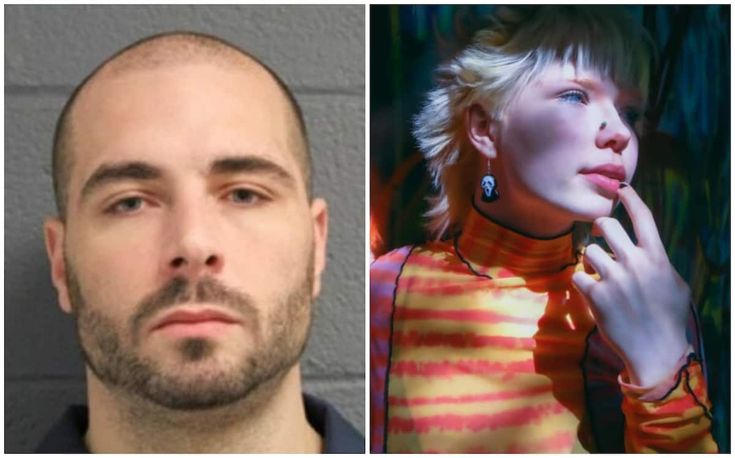
To many, Eric Hartter’s name might first evoke curiosity; to others, a blend of acclaim and tragedy. His story weaves together artistry, human complexity, and real-world struggles that mirror larger cultural conversations about creativity, personal challenges, and the unpredictable nature of life.
Born in the late 1970s in the United States, Eric Hartter ultimately became known for his work as a tattoo artist and his connection to individuals in the wider cultural spotlight. Though he did not chase fame in the traditional sense, the contours of his life unexpectedly intersected with high-profile figures, leaving an imprint that continues to spark interest years after his death.
A Brush With Fame Through Art and Relationships
Hartter’s professional identity was rooted in body art — a craft that demands precision, creativity, and an innate understanding of personal expression. Tattooing, for many, is more than a job; it’s a way to transform emotion into visual language on skin. Hartter’s engagement with this world earned him local respect, even though his name may not have reached the acclaim of mainstream celebrity artists.
His personal life, however, brought him into broader public awareness. In the early 2000s, he was romantically involved with Kim Mathers, once the wife of celebrated rapper Eminem (Marshall Mathers). During their brief relationship, they had a daughter, originally named Whitney Scott Mathers, who later became known as Stevie Laine Scott after being adopted by Eminem.
This connection made headlines because it linked a working artist from Detroit’s tattoo scene with one of hip hop’s most influential figures. However, Hartter’s presence in public narratives was rarely about acclaim and more often about the unpredictability of his personal journey.
Early Challenges and Legal Struggles
While Hartter had talent, his life was punctuated by ongoing battles that contributed to instability. Reports indicate that he faced repeated legal issues, including drug-related offenses and arrests. According to court records and news reports, he pleaded guilty to drug possession multiple times and served several short stints in jail. These disturbances not only influenced his career but also strained personal relationships, including with his daughter.
This is a particularly poignant point for many who follow such stories: Hartter was not just a footnote in someone else’s biography but a real person whose choices and complications echo daily life scenarios many grapple with, even outside the public eye.
The Final Chapter and Its Aftermath
By August 2019, Hartter’s ongoing battle with substance abuse reached a tragic end. Police reports and autopsy findings revealed that he died from a drug overdose involving cocaine and fentanyl at the age of 40. His body was found in Detroit, Michigan, and his death was classified as accidental.
His passing sparked conversations around addiction, artistic expression, and the fragile line between success and dissolution. It highlighted how even those with creative talent can be vulnerable to forces that dismantle promise and potential. Amid this sadness, Hartter’s family — notably his mother — sought community support for funeral expenses through fundraising efforts, underscoring the very human dimensions of loss and remembrance.
Personal Reflection
As someone who has spent years observing how artists navigate personal struggle and creative ambition, Hartter’s journey resonates in a personal way. I once visited a small tattoo studio tucked into a bustling urban corner, where the artist spoke not of fame or fame’s trappings but of connection — how each piece tells a story of someone’s deepest experiences. In that moment, I recognized the profound humanity behind every name we read about online or in headlines.
Comparing Public Persona and Creative Identity
To understand Hartter’s narrative in sharper relief, it helps to compare two sides of his life:
| Aspect | Creative Identity | Public Narrative |
|---|---|---|
| Primary role | Tattoo artist and body art creator | Figure connected to celebrity culture |
| Legacy | Craftsmanship and personal art | Media focus on relationships and struggles |
| Personal challenges | Everyday life of an artist | Legal and substance abuse issues |
| Public perception | Respected among peers | Often framed through sensational stories |
| Family relationships | Fatherhood, complex engagement | Adoption and media narratives tied to celebrity family |
This side-by-side comparison illustrates how public narratives can overshadow personal craft. While mainstream attention focused on who Hartter was connected to, his core sensibilities as an artist — a storyteller through ink — tell a more nuanced story.
More Than a Name: Cultural and Personal Resonance
Hartter’s narrative intersects with broader themes familiar across many lives:
-
The complexity of parenthood: Many individuals grapple with challenges that affect their ability to parent consistently.
-
Stigma around addiction: Hartter’s path illuminates how substance use disorders can derail creative careers, regardless of talent.
-
Art as expression and survival: For many artists, creativity is core to identity — a force that can both uplift and torment depending on circumstance.
These reflections are not meant to sensationalize his struggles but to explore them with empathy and depth. His life — like many — was neither wholly triumph nor failure but textured with moments of brilliance, pain, and uncertainty.
A Real-World Example That Echoes
Consider the story of a tattoo apprentice in a small Midwestern town who balanced family responsibilities with long nights perfecting her craft. Despite early accolades in local shows, she confronted family illness and financial strain, which diverted her focus. Over time, she found resilience, building her reputation one guest at a time — turning struggles into lessons rather than setbacks.
Like Hartter, this artist had moments that didn’t make headlines. What differs is the support network and community engagement that can sustain someone forward rather than letting them fade from memory.
So What Lasts?
Eric Hartter’s legacy is multifaceted: a blend of artistry, personal struggle, connections to broader cultural figures, and the sobering realities of human vulnerability. While some remember him because of association with celebrity family narratives, others honor him for his artistic voice and what he represented in his own sphere.
In an era where stories circulate fast and often without context, Hartter’s life implores us to look deeper — past sensational headlines to the human being at the center of them. The tattoo artist from Detroit was not just a tag in someone else’s fame but a person whose art and experiences reflected the broader tapestry of creativity, struggle, and humanity.
Related: Frances Cain: A Life Shaped by Choice, Not Headlines
Conclusion
Eric Hartter’s story is a reminder that life cannot be reduced to a single headline or narrative. It is the sum of daily choices, creative passions, personal obstacles, and relationships that define impact and memory. Whether remembered as an artist, a parent facing challenges, or a figure in wider public stories, his life invites reflection on the complexities that shape us all.
Frequently Asked Questions
Who was Eric Hartter?
Eric Hartter was an American tattoo artist known both for his creative work and his connection to public figures through personal relationships.
How did Eric Hartter gain public attention?
While respected as a tattoo artist, his name entered broader public awareness through his relationship with Kim Mathers, formerly married to rapper Eminem.
Did Eric Hartter have children?
Yes — he was the biological father of a daughter, Stevie Laine Scott (formerly Whitney Scott), who was later adopted by Eminem.
What was a major challenge in Hartter’s life?
He struggled with substance abuse and legal issues, which ultimately contributed to a premature death.
How did Eric Hartter die?
He died from an overdose involving cocaine and fentanyl in August 2019.