
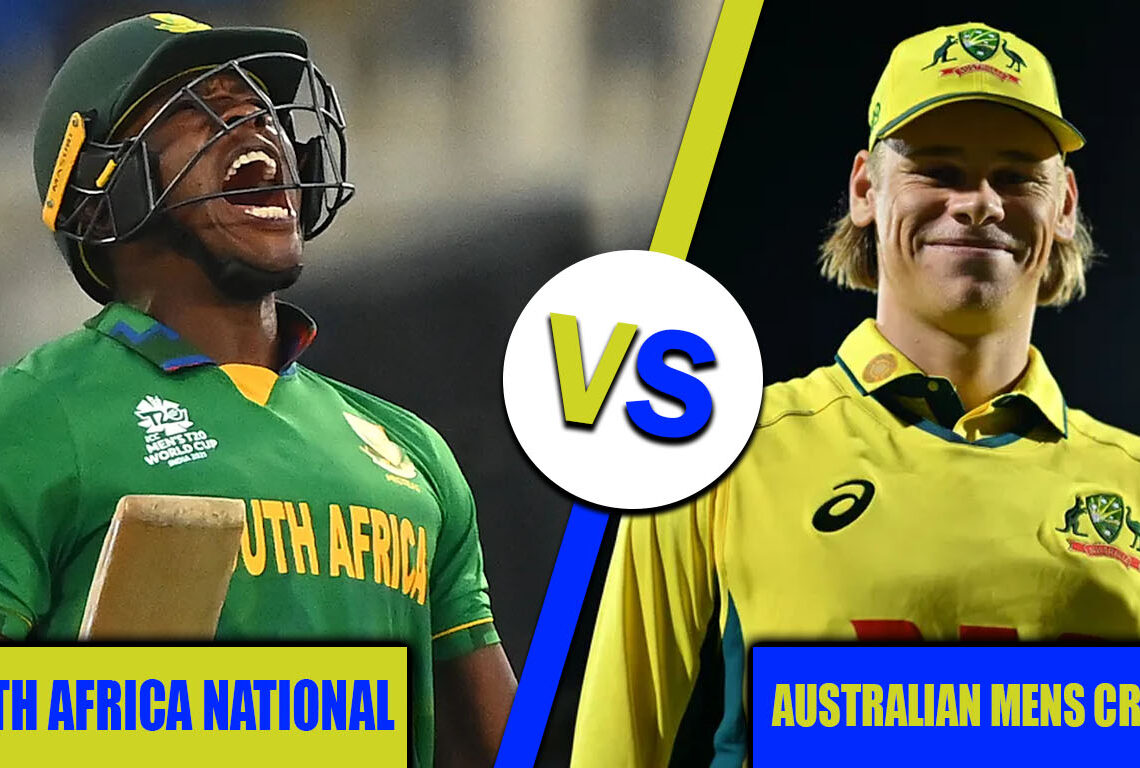
Few rivalries in international cricket carry the weight, intensity, and historical significance of clashes between the South Africa national cricket team and the Australian men’s cricket team. This rivalry is not just about wins and losses; it is a chronicle of shifting power, fierce competitiveness, and moments that reshaped world cricket. When fans search for the south africa national cricket team vs australian men’s cricket team timeline, they are often looking for more than dates—they want the story behind decades of unforgettable cricket.
What makes this rivalry exceptional is its balance. Unlike many one-sided contests, South Africa and Australia have repeatedly pushed each other to the edge, producing some of the sport’s most dramatic turning points across Test, ODI, and T20 formats.
Early encounters and South Africa’s return to world cricket
The rivalry formally began in the early 20th century, but its modern identity took shape after South Africa’s re-entry into international cricket in 1991. Australia was among the first teams to tour South Africa post-isolation, instantly igniting competitive tension.
Those early 1990s encounters laid the foundation for mutual respect. Australia brought ruthless professionalism, while South Africa returned with hunger, discipline, and a fast-bowling legacy that reminded the world they had never truly left.
The rise of competitive dominance in the 1990s
Throughout the mid-to-late 1990s, Australia asserted dominance, particularly in Test cricket. Series victories on South African soil and abroad showcased Australia’s depth, mental toughness, and adaptability.
South Africa, however, refused to be overshadowed. Their consistency in bilateral series and ICC tournaments made them one of the few teams capable of challenging Australia at their peak. Matches during this era often swung on fine margins—one session, one spell, or one dropped catch.
From a fan’s perspective, this period cemented the rivalry as one where no lead felt safe.
1999 World Cup semi-final: a defining moment
Any timeline of this rivalry must pause at the 1999 Cricket World Cup semi-final. The tied match between South Africa and Australia is widely regarded as one of the greatest ODIs ever played.
Australia advanced on net run rate, but the emotional scars lingered for South Africa. That single match reshaped how South Africa approached pressure situations and intensified the rivalry beyond bilateral series.
I still remember watching the final moments live, feeling stunned by how silence fell before the scoreboard even settled—proof that cricket history can hinge on a single run.
Early 2000s: peak rivalry years
The early 2000s marked the most intense phase of the rivalry. Australia, then the world’s most dominant team, faced a South African side that matched them in skill and temperament.
One-day internationals during this era were particularly explosive, highlighted by record chases, fast-paced scoring, and aggressive captaincy. These matches weren’t just competitive; they redefined what was considered achievable in limited-overs cricket.
The era of historic chases and shifting momentum
No timeline is complete without mentioning the iconic 438-run chase in 2006. That single ODI permanently altered batting philosophies worldwide.
South Africa’s successful pursuit against Australia proved that even the largest totals were not invincible. It was a moment that tilted psychological advantage and forced teams globally to rethink defensive strategies.
This phase of the rivalry showcased how innovation often emerges under extreme competition.
Test cricket battles and mental endurance
While ODIs grabbed headlines, Test matches between these teams remained the truest test of character. Series played in Australia were known for pace-friendly pitches and hostile conditions, while South African venues offered bounce and seam movement.
Both teams traded series wins, with no side able to establish long-term dominance. These contests were marked by long spells, attritional batting, and sessions where survival mattered as much as scoring.
The sandpaper saga and its impact
The 2018 Test series added an unexpected chapter. The ball-tampering controversy involving Australia during the South Africa tour shook the cricketing world.
Beyond sanctions and apologies, the incident altered the tone of the rivalry. South Africa emerged as a team that maintained competitive integrity under pressure, while Australia entered a period of introspection and cultural reset.
This moment became a dividing line in the timeline—before and after 2018.
Modern era: balance across formats
In recent years, the rivalry has evolved into a more balanced contest across all formats. Australia has rebuilt with younger players and renewed leadership, while South Africa continues to develop a fast-bowling core supported by adaptable batters.
T20 internationals have added speed and unpredictability, while Test matches remain fiercely contested. The timeline now reflects evolution rather than dominance.
How the two teams compare historically
Across decades, their rivalry shows striking contrasts:
| Aspect | South Africa | Australia |
|---|---|---|
| Playing Identity | Discipline & pace | Aggression & depth |
| Home Advantage | Strong on fast tracks | Dominant in all conditions |
| Iconic Strength | Fast bowling attacks | Batting depth |
| Mental Resilience | High under pressure | Ruthless consistency |
This contrast explains why their matches feel like chess battles played at sprint speed.
Why this rivalry still matters
The South Africa vs Australia timeline matters because it mirrors cricket’s evolution. Rule changes, fitness standards, batting aggression, and leadership philosophies are all reflected in their encounters.
Each series adds another layer—whether it’s a breakout performance, a controversial decision, or a historic result that shifts momentum.
Conclusion
The south africa national cricket team vs australian men’s cricket team timeline is not just a record of matches; it is a living narrative of excellence, rivalry, and transformation. From post-isolation beginnings to modern multi-format clashes, these teams have consistently pushed each other—and the sport—forward. Their rivalry remains one of cricket’s purest, defined not by animosity but by relentless competition and respect earned through performance.
FAQs
When did South Africa and Australia first play each other?
They first met in international cricket in the early 1900s, with the rivalry intensifying after 1991.
Which match is the most famous between them?
The 1999 World Cup semi-final and the 2006 ODI run chase are widely considered the most iconic.
Who has dominated historically?
Australia dominated certain eras, but overall the rivalry has remained competitive and balanced.
Is the rivalry still strong today?
Yes, especially in Test cricket and major ICC tournaments, where matches remain highly competitive.