
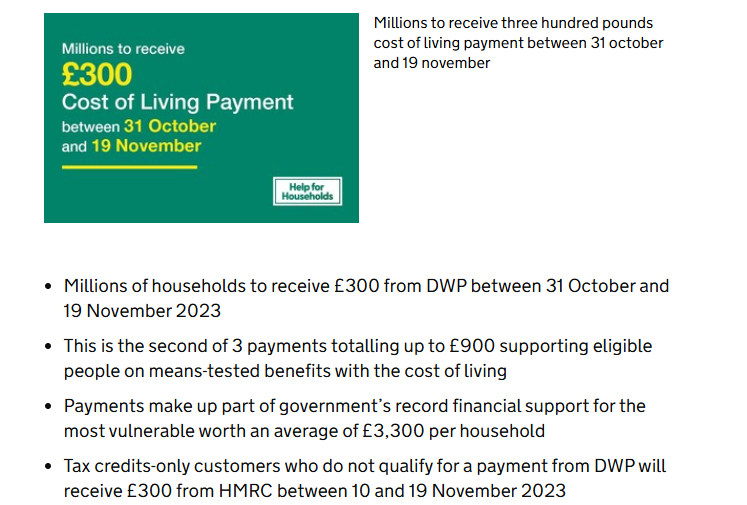
For millions of households across the UK, the question “universal credit cost of living payment when will it be paid” isn’t casual curiosity, it’s a matter of budgeting, survival, and peace of mind. With energy bills fluctuating, food prices remaining stubbornly high, and rent pressures continuing, cost of living payments have become a financial lifeline for people receiving Universal Credit and other means-tested benefits.
Rather than vague announcements or confusing timelines, this guide explains when the payment is made, who qualifies, how it appears in your account, and what to do if it doesn’t arrive—using clear language and real-world context.
What the cost of living payment actually is
The cost of living payment is a one-off, tax-free support payment provided by the UK government to help low-income households cope with rising everyday expenses. It is not a loan, does not need to be repaid, and does not affect your Universal Credit entitlement.
These payments are administered by the Department for Work and Pensions and are paid automatically to eligible claimants—meaning no separate application is required.
When the Universal Credit cost of living payment is paid
The exact payment date depends on the year and the payment phase announced in the government’s support package. Typically, cost of living payments are released in scheduled windows, rather than on a single day.
How payment timing usually works
-
The government announces a payment window (often spanning 2–4 weeks)
-
Eligible claimants receive the payment automatically during that window
-
Payments arrive directly into the same bank account used for Universal Credit
Importantly, the payment does not arrive on your usual Universal Credit payday. This is where confusion often arises.
From personal experience, I remember checking my Universal Credit journal repeatedly, assuming the payment would land on my regular date—only to find it arrived unexpectedly a week later, without any prior notification.
Who is eligible for the payment?
Eligibility is based on your benefit status during a specific assessment period, not on when the payment window opens.
You usually qualify if:
-
You were entitled to Universal Credit during the qualifying assessment period
-
Your Universal Credit award was more than £0
-
You met residency and eligibility rules at the time
You may not qualify if:
-
Your Universal Credit was reduced to £0 due to earnings
-
You only received contribution-based benefits
-
You claimed Universal Credit after the qualifying period ended
How much will you receive?
The amount varies by year and government policy, but payments are usually issued in fixed lump sums, sometimes split into multiple installments across the year.
For example, previous support packages included:
-
£300 first payment
-
£300 second payment
-
£299 final payment
Each payment is treated independently, meaning you must qualify during each specific assessment period.
How the payment appears in your bank account
When the payment arrives, it usually shows up with a reference similar to:
DWP Cost of Living Payment
There is no message in your Universal Credit journal beforehand, which often leads people to think they’ve been missed.
The payment:
-
Is separate from your monthly Universal Credit
-
Does not reduce future payments
-
Is not counted as income for benefit calculations
A real-world budgeting scenario
Consider a single parent receiving Universal Credit who budgets monthly down to the pound. Rent, childcare, groceries, and transport are all accounted for. When the cost of living payment arrives unexpectedly, it often goes straight toward essentials—clearing utility arrears, topping up prepayment meters, or bulk-buying food to reduce future pressure.
This is exactly why payment timing matters. Even a one-week delay can mean choosing between heating and groceries.
What to do if you haven’t been paid
If you believe you were eligible but haven’t received the payment:
-
Check the official payment window
Payments are staggered—yours may still be pending -
Review your qualifying assessment period
Confirm your Universal Credit award was not £0 -
Wait until the payment window ends
Missing payments are only investigated after this -
Contact DWP using the official missing payment process
Avoid calling too early—agents cannot escalate before the window closes
How this payment compares to regular Universal Credit
Rather than acting as a long-term solution, cost of living payments function as financial shock absorbers.
Here’s how they differ in practice:
| Feature | Universal Credit | Cost of Living Payment |
|---|---|---|
| Frequency | Monthly | One-off |
| Application | Required | Automatic |
| Taxable | No | No |
| Affects benefits | N/A | No |
| Purpose | Ongoing support | Crisis relief |
This distinction helps explain why these payments exist alongside, rather than replacing, benefit increases.
Why the payment matters beyond the amount
While the payment may seem modest against rising costs, its timing flexibility makes it powerful. It allows households to:
-
Absorb sudden bill increases
-
Prevent debt escalation
-
Maintain basic living standards
In economic terms, it reduces short-term financial volatility for the most vulnerable.
Common misconceptions cleared up
-
“It replaces Universal Credit” – No, it’s separate
-
“I need to apply” – No application is required
-
“It affects my benefits” – It does not
-
“Everyone gets it on the same day” – Payments are staggered
Related: Understanding RWU UAR in Modern Warehouse Operations
Conclusion
The answer to “universal credit cost of living payment when will it be paid” depends on eligibility windows rather than personal payment dates. While the lack of advance notice can be stressful, the payment is automatic, tax-free, and designed to ease immediate financial strain. Understanding how and when it arrives allows households to plan better, reduce anxiety, and make the most of essential support during challenging economic times.
FAQs
Is the cost of living payment paid every year?
It depends on government policy and economic conditions.
Will it show in my Universal Credit journal?
Usually no—it appears directly in your bank account.
Can it be taken for debts or sanctions?
No, it cannot be deducted or used to offset debts.
What if I change banks?
It goes to the account currently linked to your Universal Credit claim.