
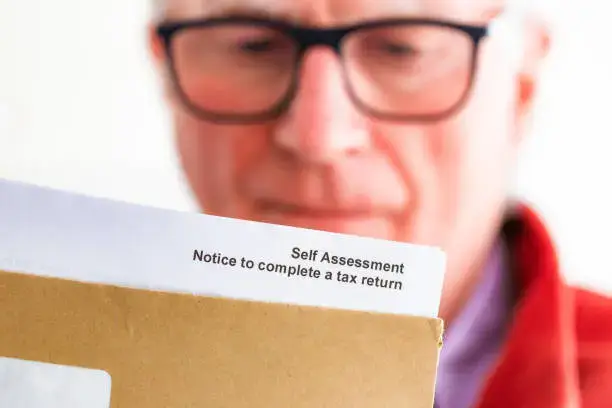
In recent months, many people across the UK have opened their post to find unexpected letters from HM Revenue and Customs. This has led to a surge in searches asking about hmrc sending assessment letters to uk taxpayers and pensioners, often accompanied by concern, confusion, or fear of penalties.
These letters are not always bad news—but they should never be ignored. Understanding why they are sent, who receives them, and how to respond can prevent unnecessary stress and costly mistakes.
What an HMRC assessment letter actually is
An assessment letter is a formal notice from HMRC stating that it believes your tax position for a specific year needs correction. This could mean:
-
You owe additional tax
-
You’ve underpaid through PAYE
-
Your pension income was taxed incorrectly
-
HMRC adjusted figures based on new information
In some cases, the letter may even confirm a refund, not a bill.
Why HMRC is sending more assessment letters now
Several factors have increased the number of assessment letters being issued:
-
Delayed data processing from previous tax years
-
Changes in pension income reporting
-
Incorrect tax codes
-
Multiple income sources not aligned
-
Backlogs following system updates
Pensioners are particularly affected because income may come from:
-
State Pension
-
Private or workplace pensions
-
Employment income
-
Savings or investments
Even small mismatches can trigger an assessment.
Why pensioners are receiving these letters more often
Many pensioners assume their tax affairs are “automatic,” but this isn’t always true.
Common pension-related triggers include:
-
State Pension paid gross (without tax deducted)
-
Multiple pensions using the same tax-free allowance
-
Changes in pension income mid-year
-
Delayed updates to tax codes
I’ve seen cases where pensioners received letters for underpayments they didn’t even realise existed—simply because their allowance was split incorrectly between pensions.
What the letter usually contains
An HMRC assessment letter typically includes:
-
The tax year being reviewed
-
HMRC’s calculation of tax owed or refunded
-
A breakdown of income sources
-
A payment deadline (if tax is owed)
-
Instructions on how to dispute or query the figures
The tone can feel alarming, but it’s important to read it carefully before reacting.
Does receiving an assessment mean you did something wrong?
Not necessarily.
In many cases:
-
HMRC used incomplete or delayed information
-
Employers or pension providers submitted late updates
-
Systems auto-corrected after year-end
An assessment is HMRC’s best estimate, not an accusation.
What to do when you receive an HMRC assessment letter
Step 1: Don’t ignore it
Ignoring the letter can lead to penalties, interest, or enforced recovery.
Step 2: Check the details carefully
Compare the letter with:
-
P60s
-
Pension statements
-
Bank interest summaries
Step 3: Confirm income sources
Ensure HMRC has:
-
The correct pension amounts
-
Accurate employment income
-
Correct start and end dates
Step 4: Respond if something is wrong
If figures are incorrect, you can:
-
Contact HMRC by phone
-
Write back using the reference provided
-
Use your Personal Tax Account online
Step 5: Pay or arrange payment if required
If the assessment is correct, HMRC usually allows:
-
One-off payment
-
Time to Pay arrangements
A real-world scenario many recognise
Consider a retiree receiving two pensions. One provider accidentally uses the full personal allowance, while the other also applies a tax-free portion. Everything seems fine—until HMRC reconciles the figures after the tax year ends.
The result? An assessment letter asking for unpaid tax.
This is one of the most common and innocent reasons these letters are issued.
How assessments differ from Self Assessment letters
| Feature | HMRC Assessment Letter | Self Assessment |
|---|---|---|
| Trigger | HMRC recalculation | Taxpayer reporting |
| Action required | Review & respond | File return |
| Applies to | PAYE taxpayers & pensioners | Self-employed & complex cases |
| Deadline | Payment or appeal date | Filing deadline |
Many people receiving assessments are not required to submit Self Assessment returns.
Watch out for scams pretending to be HMRC
With more genuine letters being sent, scammers have increased fake:
-
Emails
-
Text messages
-
Phone calls
Real HMRC letters:
-
Do not ask for immediate payment by gift card
-
Do not threaten arrest
-
Do not include clickable payment links
When in doubt, log in directly to your official HMRC account.
Why responding early matters
Responding promptly:
-
Prevents penalties
-
Avoids interest charges
-
Allows corrections before enforcement
-
Reduces stress
HMRC is generally cooperative when taxpayers engage early and honestly.
Related: Bristol Business Park: A Connected, Green Hub in North Bristol
Conclusion
The rise in hmrc sending assessment letters to uk taxpayers and pensioners reflects system reconciliations rather than widespread wrongdoing. While receiving one can be unsettling, most cases are routine corrections linked to pensions, tax codes, or delayed reporting. The key is to read the letter carefully, verify the figures, and respond promptly if anything looks wrong. With the right approach, these assessments can usually be resolved smoothly and without lasting impact.
FAQs
Is an HMRC assessment letter serious?
It should be taken seriously, but it does not automatically mean penalties or wrongdoing.
Do pensioners need to file Self Assessment because of this?
Usually no—unless HMRC specifically asks for it.
Can I challenge the assessment?
Yes, if the information is incorrect or incomplete.
What happens if I ignore the letter?
Interest, penalties, or recovery action may follow.
How long do I have to respond?
Deadlines vary—check the letter carefully.