
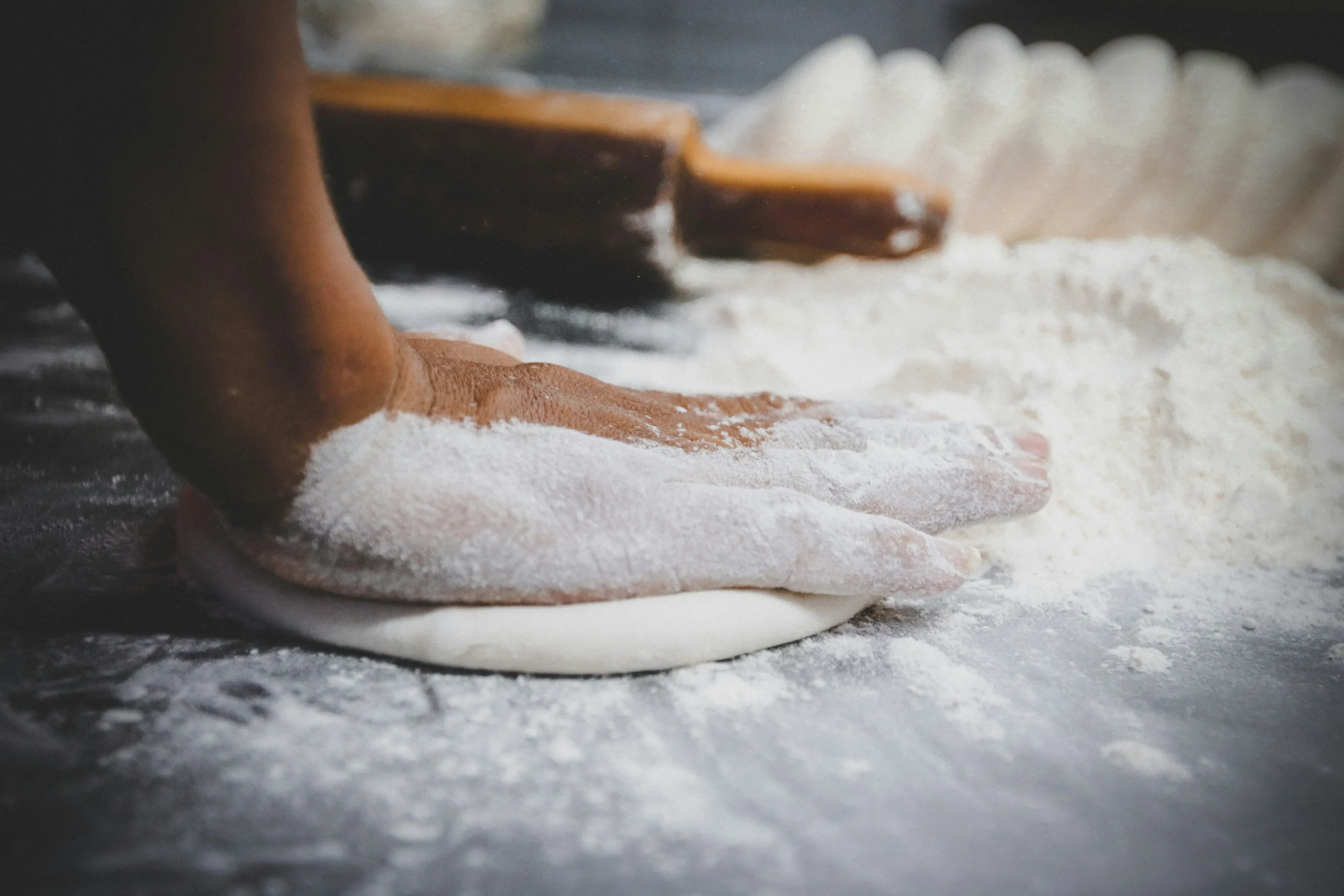
Ask any home baker this question and you’ll hear a mix of confident “yes, absolutely” and hesitant “sort of, but…” and both answers hold a little truth. In simple terms: plain flour in the UK is, for most everyday purposes, the same as all-purpose flour in the US. They’re both versatile, medium-strength flours designed for general baking; they’re the reliable in-between option that doesn’t lean too weak like cake flour nor too strong like bread flour. However, there is a small, science-backed difference in protein content that can change texture slightly in specific recipes, especially with pastries or breads that rely on gluten development.
To put it practically: if a US recipe calls for all-purpose flour, a UK baker can reach for plain flour and make a 1:1 swap. No conversions, no panic, no complicated math. The flour won’t collapse your cake or ruin your cookies—but there may be a very subtle shift in crumb texture for advanced recipes. I learned this myself while baking an American chocolate chip cookie recipe with UK plain flour; the cookies came out just a little softer and less chewy, but still delicious.
The Short Answer
-
Yes, plain flour = all-purpose flour in general use.
-
Protein levels differ slightly (plain flour is often a little lower).
-
You can swap them 1:1 in nearly all home baking.
This means most everyday recipes—from brownies to pancakes to banana bread—won’t need adjustments.
Where They’re Used & Why They’re Similar
Both flours live in the “middle ground” of strength and functionality:
-
Cakes and cupcakes
-
Muffins and banana bread
-
Cookies/biscuits
-
Pastry and pie crusts
-
Pancakes and waffles
-
Roux and sauce thickening
The flour is designed to be flexible, which is why you’ll find it in almost every cupboard from London to Los Angeles.
Protein Content: The Real Difference
The distinction comes down to protein, which affects gluten development and texture:
| Flour Name | Region | Approx. Protein % | Best For | What to Expect |
|---|---|---|---|---|
| Plain Flour | UK | 9–10% | Everyday baking, pastries, cakes | Softer, more tender crumb |
| All-Purpose Flour | US | 10–12% | Cookies, breads, pastries, general recipes | Slightly chewier, more structure |
| Bread Flour | UK/US | 12–14%+ | Pizza, bagels, crusty loaves | Stretchy dough, high gluten |
| Cake Flour | UK/US | 7–9% | Light cakes, sponges | Soft, fragile crumb |
So the answer isn’t just “are they the same?”—it’s are they close enough to behave the same for almost everything? And the answer is yes.
When a 1:1 Swap Works Perfectly
You can confidently substitute plain flour for all-purpose flour in:
-
Brownies & blondies
-
Cookies and biscuits
-
Cupcakes and loaf cakes
-
Yorkshire puddings
-
Quick breads like banana or zucchini bread
-
White sauces, gravies, and cheese sauces
The texture rarely suffers, and most people wouldn’t notice the difference.
When You Might Notice a Slight Change
In specialist recipes—like chewy New York-style cookies, focaccia, pizza dough, or crusty bread—the lower protein in UK plain flour can reduce chewiness or structure.
What to do:
-
Add 1–2 teaspoons of vital wheat gluten per cup (optional)
-
Or simply embrace a slightly softer texture
For delicate French pastries like croissants or laminated dough, follow recipe-specific flour requirements rather than swapping freely.
Simple Substitution Guide
If you’re using:
-
A US recipe in the UK: Use plain flour 1:1.
-
A UK recipe in the US: Use all-purpose flour 1:1.
-
A chewy-texture bread recipe: Slight tweaks may help, but not essential for home bakers.
And yes—cups to grams conversions vary. If precision matters, weigh your flour:
-
1 US cup of flour ≈ 120g (lightly spooned)
-
1 UK cup (not officially used) ≈ varies, so weighing is best
Why UK Bakers Sometimes Doubt the Swap
In Britain, flour types are labeled more by use case (self-raising, bread flour, strong flour), while in the US, all-purpose flour acts as the universal “middle flour.” This leads to the misconception that plain flour is somehow not enough. In reality, UK plain flour behaves like all-purpose flour; the naming convention—not the performance—is what confuses people.
Real Baking Example
A British baker tries a US cookie recipe calling for all-purpose flour. They use plain flour instead. The cookies come out slightly less chewy than the American version, but still golden, soft in the middle, and crisp on the edges. They’re not wrong; they’re just a little English.
The recipe wasn’t ruined; it simply reflected the flour’s gluten level.
Helpful Advice You Can Actually Use
-
For bread, choose a “strong white flour” in the UK for best results
-
For cakes that call for US all-purpose flour, UK plain flour is excellent
-
For chewy cookies, refrigerate dough 24 to 48 hours to compensate for lower gluten
Adjustments are optional—not mandatory.
Related: How Much Does It Cost to Boil a Kettle? A Practical Guide
Conclusion
Plain flour and all-purpose flour are effectively the same for everyday baking and can be swapped at a 1:1 ratio. While small protein variations exist, they rarely cause issues in regular recipes. Use the flour available to you, bake confidently, and only fine-tune when tackling specialist doughs. For most home bakers, the difference is so minimal it won’t change your results.
FAQs
Is plain flour equal to all-purpose flour?
Yes. They are effectively interchangeable for most baking.
Can I swap them 1:1?
Absolutely. Use the same measurement the recipe calls for.
Will texture change?
Only slightly, and mainly in chewy breads or specialist doughs.
Do I need additives?
No, but gluten boosters help if chasing very chewy textures.
Is plain flour good for cookies?
Yes—expect a slightly softer, tender crumb.