
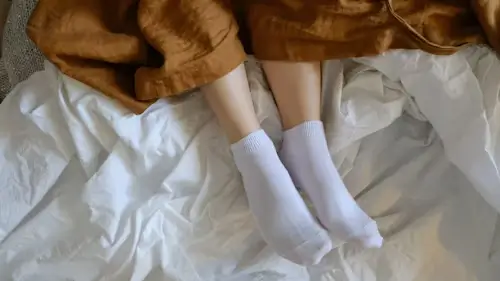
After abdominal surgery, recovery doesn’t end when you leave the operating room. One of the most common and often underestimated parts of healing is wearing compression stockings. Patients frequently ask how long they are truly necessary, whether they can remove them at night, and how to know when it’s safe to stop. The answer isn’t identical for everyone, but there is a clear medical framework that guides most recoveries.
Compression stockings are not about comfort or convenience; they are a preventive tool designed to protect you during a vulnerable period when your circulation is temporarily altered.
The Short, Clear Answer
Most patients are advised to wear compression stockings for 2 to 6 weeks after abdominal surgery. In the earliest phase of recovery, they are typically worn day and night, removed only for showering or skin checks. As mobility improves and swelling reduces, many surgeons allow gradual reduction in daily wear time.
The exact duration depends on the type of surgery, your mobility level, and individual risk factors, which is why your surgeon’s instructions always take priority.
Why Compression Stockings Are Prescribed After Abdominal Surgery
Abdominal procedures—whether minimally invasive or open—temporarily slow blood flow in the legs. Reduced movement, anesthesia effects, and post-operative inflammation increase the risk of deep vein thrombosis (DVT), a condition where blood clots form in deep veins, most commonly in the calves.
Compression stockings work by applying graduated pressure, strongest at the ankle and decreasing upward. This helps blood return to the heart more efficiently and prevents pooling in the lower limbs.
Hospitals and surgical guidelines, including those referenced by organizations such as NHS, consistently emphasize their role in clot prevention after major surgery.
A Practical Timeline Most Patients Follow
Although individual instructions vary, most recoveries follow a similar pattern.
Immediate Post-Operative Phase (First few days to 2 weeks)
During this phase, stockings are usually worn 23–24 hours a day. You may remove them briefly for hygiene or to inspect the skin, but otherwise they stay on continuously. This is when clot risk is highest due to limited mobility.
Intermediate Recovery Phase (Weeks 2–6)
As walking becomes easier and swelling decreases, many surgeons allow reduced wear—often 12 to 20 hours per day. Patients may remove them during sleep or while resting at home, depending on comfort and circulation status.
End Point
Most patients stop wearing compression stockings once they are fully mobile, walking normally, and cleared by their doctor, typically between weeks 2 and 6.
How Long Different Patients Often Need Them
| Patient Situation | Typical Duration | Notes |
|---|---|---|
| Laparoscopic abdominal surgery | 2–3 weeks | Faster return to mobility |
| Open abdominal surgery | 4–6 weeks | Higher clot risk |
| Bariatric surgery | 4–6 weeks | Weight and mobility factors |
| Abdominoplasty (tummy tuck) | 3–6 weeks | Swelling and cosmetic healing |
| Limited mobility or bed rest | 6+ weeks | Extended prevention needed |
This variation is normal and reflects safety, not slow recovery.
A Common Situation During Healing
Consider a patient recovering from abdominal surgery who feels “fine” by the end of the second week. Pain is minimal, walking feels easier, and swelling has reduced. It’s tempting to stop wearing compression stockings at this stage. However, clot risk does not disappear the moment discomfort fades. Circulation can still be unstable internally, which is why surgeons often recommend continuing even when you feel better.
This gap between how you feel and what your body still needs is where compression stockings matter most.
When It’s Usually Safe to Stop Wearing Them
You should only discontinue compression stockings when your surgeon confirms that:
-
You are walking normally without prolonged sitting
-
There is no leg swelling, redness, or heaviness
-
Your skin color and temperature are normal
-
You have no personal risk factors for blood clots
Stopping too early doesn’t cause immediate symptoms—but it increases silent risk.
Signs You Should Keep Wearing Them Longer
Continue wearing compression stockings and contact your doctor if you notice:
-
Calf pain or tenderness
-
Unequal swelling between legs
-
Redness or warmth in one leg
-
A heavy or aching sensation
These symptoms don’t automatically mean a clot, but they should never be ignored.
One Personal Observation
During a recovery I supported closely, the stockings felt unnecessary by week three, yet continuing them for the full recommended period prevented swelling that had returned briefly when they were skipped.
Comfort Tips That Make Compliance Easier
Many patients stop early simply because stockings feel uncomfortable. Small adjustments can help:
-
Ensure correct sizing—too tight is not better
-
Smooth out wrinkles to avoid pressure points
-
Apply them first thing in the morning before swelling increases
-
Use skin moisturizer at night (after removal) to prevent dryness
Comfort improves adherence, and adherence improves safety.
Why “As Much As Possible” Is Often the Right Advice
Doctors frequently say to wear compression stockings “as much as possible” because circulation changes throughout the day. Sitting, lying down, and sleeping all affect blood flow differently. Continuous use during early recovery provides round-the-clock protection during a time when your body cannot self-regulate as effectively.
Related: Can My Neighbour Do Building Work on a Sunday? UK Rules, Real Solutions & What You Can Do
Conclusion
So, how long should you wear compression stockings after abdominal surgery? For most people, 2 to 6 weeks, starting with near-constant wear and tapering as mobility improves. The purpose isn’t discomfort—it’s prevention. These stockings quietly reduce the risk of dangerous blood clots during a critical healing window.
The safest approach is simple: follow your surgeon’s timeline, not your comfort level alone. Recovery may feel slow, but preventing complications makes the journey far smoother in the long run.
Frequently Asked Questions
Can I remove compression stockings at night?
Usually no during early recovery. Many surgeons allow nighttime removal later, but only after mobility improves.
What happens if I stop wearing them too early?
You increase the risk of blood clots, even if you feel fine physically.
Do I need them if I’m walking regularly?
Often yes, until your doctor confirms your circulation is stable.
Can compression stockings be harmful?
Only if incorrectly sized or worn against medical advice. Proper fit is essential.
Should both legs be covered even if only one hurts?
Yes. Clot prevention is systemic, not symptom-based.