
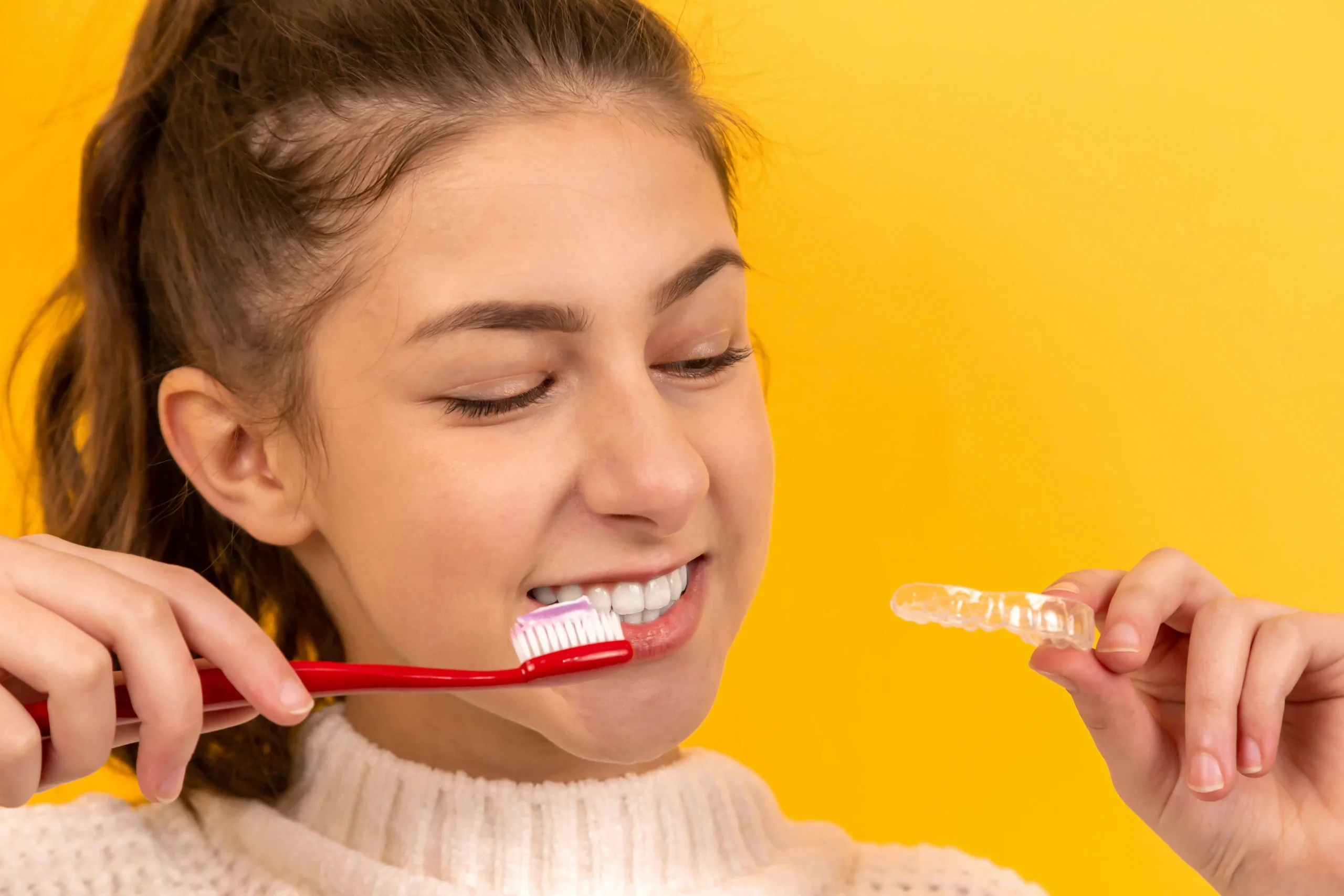
Searching for how to reduce gap between teeth naturally at home often comes from a very human place—wanting a better smile without expensive or invasive treatments. The internet is full of promises, exercises, and “quick fixes,” but the truth is more nuanced. While you cannot physically close a noticeable tooth gap at home without professional orthodontic treatment, you can take meaningful steps to support gum health, prevent gaps from worsening, and in some cases improve the appearance and stability of minor spacing.
Understanding what is realistically possible and what is not is essential. Natural approaches focus on prevention, tissue health, and habit correction, not mechanical tooth movement. When used correctly, they can make a genuine difference over time.
What Natural Methods Can and Cannot Do
Before diving into techniques, it’s important to set expectations clearly. Teeth are held in place by bone and periodontal ligaments. Moving them in a controlled, lasting way requires consistent pressure over time—something only braces, aligners, or professional appliances can provide safely.
Natural, at-home practices do not close established gaps in the way orthodontics does. Instead, they:
-
Strengthen gums and supporting tissues
-
Reduce inflammation that can cause teeth to drift
-
Prevent existing gaps from widening
-
Improve oral posture and habits linked to spacing
-
Enhance overall dental appearance and health
This distinction matters, because many people harm their teeth by attempting aggressive “DIY orthodontics” without understanding the risks.
Strengthening Gums and Supporting Structures at Home
One of the most common reasons gaps appear or worsen is gum disease. As gums recede and bone support weakens, teeth naturally begin to shift.
Daily brushing and flossing are foundational. Brushing twice daily with a soft-bristled brush and flossing once a day removes plaque that irritates gums and accelerates spacing. Consistency matters more than technique perfection.
Gum massage is an underrated practice. Gently massaging the gums with a clean finger or soft brush stimulates blood circulation, helping maintain tissue strength. This does not move teeth, but it supports the structures that keep them stable.
Alcohol-free antimicrobial mouthwash can further reduce harmful bacteria. Essential-oil-based rinses are often recommended because they balance antibacterial effects without drying oral tissues.
From personal experience, improving gum health alone noticeably reduced sensitivity and made my teeth feel more “anchored,” even though spacing itself didn’t dramatically change.
Nutrition’s Role in Tooth Stability
Teeth are living structures supported by bone. A nutrient-poor diet weakens that foundation over time.
Key nutrients include:
-
Calcium for enamel and bone density
-
Vitamin D to help the body absorb calcium
-
Magnesium for bone structure and stability
-
Vitamin C for gum tissue repair
Leafy greens, dairy or fortified alternatives, nuts, seeds, eggs, and sunlight exposure all contribute to healthier oral structures. While nutrition won’t close a gap, it prevents the silent weakening that allows gaps to worsen.
Habits That Quietly Push Teeth Apart
Some everyday habits exert small but constant pressure on teeth. Over months or years, this pressure adds up.
Thumb-sucking and nail-biting—even in adults—can gradually push front teeth outward. Stopping these habits removes an ongoing mechanical force.
Tongue thrusting is another major contributor. When the tongue repeatedly presses against the front teeth during swallowing or at rest, it encourages spacing. The correct resting position is with the tongue gently placed against the roof of the mouth, not against the teeth.
Mouth breathing often accompanies poor tongue posture. Breathing through the nose encourages better oral posture and reduces unnecessary pressure on teeth.
Correcting these habits doesn’t move teeth back together, but it prevents further separation and supports long-term stability.
Oral Posture Exercises That Support Alignment
Certain exercises are often discussed online. Their value lies in training posture, not shifting teeth.
A commonly suggested exercise is the tongue-to-palate press. Press the tongue flat against the roof of the mouth for 5–10 seconds, repeating several times daily. Over time, this trains proper resting posture and reduces forward pressure on teeth.
Lip stretching exercises, such as stretching the lips upward toward the nose, may help improve muscle balance around the mouth. Results are subtle and gradual, and consistency over months—not weeks—is required.
These exercises are supportive, not corrective. Think of them as posture training for the mouth.
Temporary Aids: Proceed With Caution
Some people experiment with orthodontic bands or dental wax to try to pull teeth together. While these methods can create movement, doing so without professional supervision can damage roots, gums, and bone.
Uncontrolled pressure may:
-
Cause tooth mobility
-
Lead to gum recession
-
Create long-term bite problems
If any appliance applies force to teeth, it should only be used under a dentist’s guidance.
Why Professional Input Still Matters
Natural methods are supportive tools, not substitutes for diagnosis. Gaps can form due to:
-
Genetics (small teeth or large jaw spacing)
-
Missing teeth
-
Gum disease
-
Bite issues
-
Tongue posture problems
Each cause requires a different solution. A dentist can determine whether a gap is cosmetic, structural, or health-related—and whether home care alone is sufficient or orthodontic treatment is advisable.
Observed Patterns in Common Dental Presentations
Consider someone with a small gap between the front teeth that slowly becomes more noticeable in adulthood. The cause isn’t tooth movement alone but mild gum inflammation combined with tongue thrusting. By improving hygiene, correcting tongue posture, and stopping nail-biting, the gap stabilises and appears less prominent—without actually “closing” mechanically.
This is the kind of improvement natural methods realistically offer.
The Bigger Value of Natural Care
The real benefit of natural, at-home care is control. You’re protecting your teeth from deterioration, maintaining aesthetics, and setting the stage for better outcomes if professional treatment is ever pursued. Healthy gums respond better to aligners or braces, and stable habits prevent relapse after treatment.
Related: Long Way to Tipperary: Meaning, History, and Why the Phrase Still Resonates Today
Conclusion
If you’re looking for how to reduce gap between teeth naturally at home, the honest answer is this: you cannot close significant gaps without professional help, but you can strengthen gums, prevent worsening, correct harmful habits, and improve overall dental stability and appearance.
Natural methods work best as preventative and supportive strategies. Used consistently and realistically, they protect your smile and help ensure that any future treatment—if needed—is more effective and lasting.
Frequently Asked Questions
Can exercises close gaps between teeth?
No. Exercises improve posture and muscle balance but do not physically move teeth.
Do natural remedies work for small gaps?
They can help stabilise and sometimes improve appearance, but not close gaps structurally.
Is gum massage safe?
Yes, when done gently with clean hands or a soft brush.
Can gaps get worse over time?
Yes, especially with gum disease or poor oral habits.
When should I see a dentist?
If a gap is increasing, causing concern, or affecting confidence, professional evaluation is essential.