
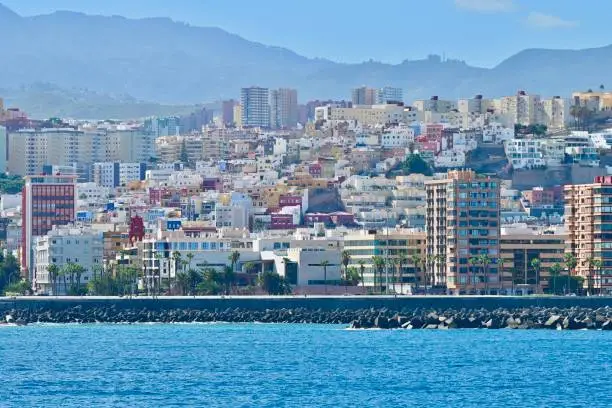
If you’ve searched for things to do in las palmas de gran canaria, you’re probably trying to solve a pleasant dilemma: how to experience a city that behaves like a beach resort, a historic capital, and a modern Spanish hub all at once. Las Palmas isn’t a place you simply “visit” and tick off attractions; it’s a city you move through slowly, letting centuries-old streets and Atlantic breezes guide your days.
Perched on the northeast coast of Gran Canaria, Las Palmas blends colonial heritage with surf culture, local markets with art spaces, and everyday Canarian life with experiences that travelers actually remember. Understanding how the city works—its neighborhoods, rhythms, and distances—helps turn a good trip into a meaningful one.
Where History Still Shapes Daily Life
The city’s story begins in Vegueta, the old quarter where Las Palmas was founded in the 15th century. Walking here isn’t about rushing between landmarks; it’s about noticing carved balconies, quiet courtyards, and streets that curve like they were designed for conversation rather than traffic.
At the heart of the district stands Santa Ana Cathedral, facing a broad plaza guarded by bronze dog statues—symbols of the island’s name. Climbing the cathedral towers rewards you with one of the clearest views over the old city and port.
Nearby, Casa de Colón offers insight into Christopher Columbus’s Atlantic voyages and the Canary Islands’ strategic role between Europe and the Americas. It’s less about glorifying exploration and more about understanding how this city became a crossroads of cultures.
For deeper context, the Museo Canario focuses on the islands’ pre-Hispanic roots, while the CAAM brings contemporary voices into historic streets, proving that Vegueta isn’t frozen in time.
A short walk away, Calle Triana acts as a bridge between past and present. Elegant buildings line a pedestrian street where local shops, cafés, and daily errands unfold side by side.
Beach Life Without Leaving the City
One reason people obsess over things to do in las palmas de gran canaria is that few European cities let you finish a museum visit and be in the ocean ten minutes later. Playa de Las Canteras stretches along the western edge of the city, protected by a natural reef that calms the water and makes swimming comfortable year-round.
This isn’t a “tourist-only” beach. Locals jog the promenade at sunrise, families gather for long lunches, and surfers read the waves with quiet focus. I still remember realizing that Las Canteras feels less like a destination and more like the city’s shared living room.
Just inland, Parque de Santa Catalina acts as a social hub, especially lively during festivals and cruise-ship days. Further south, Parque Doramas and Pueblo Canario provide a green escape and a glimpse into traditional architecture, music, and folklore.
Markets, Food, and the Taste of Daily Life
Food in Las Palmas is informal, social, and deeply local. The city’s markets aren’t just places to eat; they’re places to understand how people live.
At Mercado del Puerto, sleek counters serve tapas, seafood, and wine in a lively evening atmosphere near the harbor. In contrast, Mercado de Vegueta feels more traditional, with vendors selling produce, cheeses, and local specialties in the heart of the old town.
To help visitors choose experiences based on time and travel style, the contrasts become clearer when viewed side by side:
| Experience Type | Best Area | Atmosphere | Ideal For |
|---|---|---|---|
| Historic exploration | Vegueta | Quiet, cultural, walkable | First-time visitors, history lovers |
| Urban beach life | Las Canteras | Relaxed, local, outdoorsy | Long stays, families, surfers |
| Evening food scene | Mercado del Puerto | Social, modern, energetic | Short stays, food-focused trips |
| Green escapes | Parque Doramas | Calm, scenic | Slower afternoons, couples |
This kind of balance is what makes the city practical as well as interesting—no single area dominates the experience.
Family-Friendly and Unexpected Highlights
Las Palmas works surprisingly well for families and curious travelers. Poema del Mar Aquarium is one of Europe’s most impressive aquariums, blending education with immersive design. Nearby, the Museo Elder offers hands-on exhibits that appeal to both children and adults.
Nature lovers willing to venture slightly beyond the city find rewards too. The Jardín Botánico Viera y Clavijo showcases endemic island flora in a dramatic ravine setting, while Pico de las Nieves delivers sweeping views across the island from its highest point.
A typical day might involve breakfast near Las Canteras, an afternoon exploring Vegueta’s museums, and an evening sharing plates at a market—an effortless mix that explains why many visitors extend their stay.
Beyond the City Limits
Las Palmas also works as a base for short excursions. North of the city, Arehucas Distillery in Arucas introduces visitors to Gran Canaria’s rum-making heritage, while Palmitos Park combines subtropical gardens with wildlife experiences in the island’s interior.
Why Las Palmas Feels Different
What sets Las Palmas apart isn’t a single attraction but the way everyday life remains visible. You don’t have to search for “authentic experiences”; they happen naturally when locals swim before work, argue cheerfully over market prices, or gather on benches as the sun drops into the Atlantic. That’s the real value behind searching for things to do in las palmas de gran canaria—the city rewards curiosity rather than checklists.
Related: Why Are Slugs Coming in My House at Night? Causes, Entry Points & How to Stop Them
Conclusion
Las Palmas de Gran Canaria is a city that adapts to you. Whether you arrive for history, beaches, food, or family travel, it meets you where you are and invites you to slow down just enough to notice the details. By understanding its neighborhoods and rhythms, visitors discover that the best moments often come between the planned activities.
Frequently Asked Questions
Is Las Palmas de Gran Canaria good for a first-time visit to the Canary Islands?
Yes, it offers history, beaches, food, and easy transport, making it one of the most balanced introductions to the islands.
How many days are enough to explore Las Palmas properly?
Three to five days allow time for the old town, beaches, museums, and a short island excursion without rushing.
Can you enjoy Las Palmas without renting a car?
Absolutely; the city is walkable, and buses connect major areas and nearby attractions efficiently.
Is Las Palmas suitable for family travel?
Yes, with aquariums, parks, calm beaches, and interactive museums, it works well for children of all ages.
What’s the best time of year to visit?
Thanks to its mild climate, Las Palmas is enjoyable year-round, with spring and autumn offering ideal balance between weather and crowd levels.