
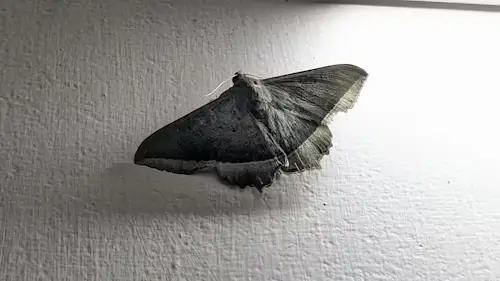
Noticing small moths fluttering around your home can feel unsettling—especially when they seem to appear out of nowhere. One day your house feels normal, and the next, tiny moths show up in closets, kitchens, or near windows. If you’re wondering why you have small moths in your house, the answer almost always comes down to food, fabric, and environment.
These moths aren’t random visitors. They’re there because your home offers exactly what they need to survive and reproduce.
The Two Most Common Types of Small Moths Indoors
Although many people assume all moths are the same, most indoor infestations fall into two categories, each with very different causes.
Clothes moths
These moths are drawn to natural fibers rather than food. Wool sweaters, silk scarves, carpets, upholstery, and even dust buildup can attract them. It’s not the adult moths doing the damage—it’s the larvae feeding quietly in dark, undisturbed places.
Pantry moths
These target dry food. Flour, rice, cereal, pasta, pet food, and even birdseed can become breeding grounds. Often, they enter your home already inside packaged goods brought from the store.
Understanding which type you’re dealing with is key, because the solution depends entirely on the source.
What Attracts Small Moths to Homes in the First Place
Moths don’t invade clean homes or dirty homes—they invade convenient ones.
Several conditions make houses especially appealing:
-
Accessible food sources, including natural fibers or dry goods
-
Warmth, especially in kitchens, closets, and utility rooms
-
Moisture, with humidity levels above average
-
Dark, quiet spaces where eggs won’t be disturbed
Closets that aren’t regularly used, pantry shelves that go unchecked, and carpets under furniture are all ideal breeding zones.
How They Get Inside (Even When Windows Are Closed)
Many homeowners are surprised to learn moths don’t always fly in openly.
They can enter through:
-
Tiny cracks around windows and doors
-
Gaps in baseboards or walls
-
Openings near vents and pipes
-
Infested items brought indoors (second-hand clothes, rugs, bulk food)
Once inside, it doesn’t take long for a small issue to become noticeable.
A Common Situation Many Homeowners Experience
Someone spots a few moths near a light and assumes they wandered in from outside. Weeks later, holes appear in a wool sweater or fine webbing shows up inside a cereal box. By the time the source is discovered, multiple areas are affected.
This slow, quiet spread is what makes moths so frustrating—they do their damage out of sight.
One Personal Experience
I once traced a moth problem back to a single unopened bag of pet food, which taught me how easily infestations can start without warning.
How to Tell Which Moth Problem You Have
| Sign You Notice | Likely Cause |
|---|---|
| Moths in closets or bedrooms | Clothes moths |
| Moths near pantry shelves | Pantry moths |
| Small holes in fabrics | Clothes moth larvae |
| Webbing in food packages | Pantry moth larvae |
| Moths near lights at night | Adults searching for mates |
This quick comparison can save hours of guesswork.
Why Dampness and Warmth Make the Problem Worse
Moths thrive in environments humans often find comfortable. Warm air speeds up their life cycle, while moisture helps eggs survive.
Homes with:
-
Poor ventilation
-
High indoor humidity
-
Basements or utility rooms
are more likely to see recurring issues. This is why moth problems often worsen in spring and summer.
How to Get Rid of Small Moths Effectively
Quick fixes rarely work. The goal is to remove both the moths and what’s attracting them.
Deep cleaning matters
Vacuum carpets, corners, under furniture, shelves, and baseboards. Dispose of the vacuum bag immediately to prevent reinfestation.
Inspect everything
Check pantry items one by one. If you see webbing or larvae, discard the item in a sealed bag. In closets, examine seams, folds, and hidden areas of clothing.
Wash and isolate
Launder infested fabrics in hot water or dry-clean them. Store clean items in airtight containers or garment bags.
Control moisture
Using a dehumidifier can dramatically reduce moth activity by making the environment less hospitable.
Seal entry points
Caulk cracks, fix weather stripping, and seal gaps where moths may enter.
Use traps wisely
Pheromone traps help monitor and reduce adult populations, breaking the breeding cycle. They work best as a diagnostic tool rather than a standalone solution.
Professional pest services such as Orkin often emphasize source removal over chemical sprays, because killing visible moths alone doesn’t stop larvae.
Why Sprays Alone Usually Fail
Aerosol sprays may kill adult moths on contact, but they rarely reach larvae hidden in fabrics or food packages. Without removing eggs and food sources, the problem simply resets itself.
That’s why long-term success comes from cleaning, sealing, and environmental control—not just extermination.
How Long It Takes to Fully Eliminate Them
Most infestations improve within two to four weeks once the source is removed and cleaning is consistent. Severe or long-standing infestations may take longer, especially if multiple rooms are affected.
Patience matters. Missing one hidden source can restart the cycle.
Preventing Moths from Coming Back
Once moths are gone, prevention keeps them from returning:
-
Store dry foods in sealed containers
-
Clean closets seasonally
-
Avoid storing dirty or worn clothing long-term
-
Reduce humidity indoors
-
Inspect second-hand items before bringing them inside
These habits make your home far less attractive to future infestations.
Related: Fansqingers Explained: The Rise of Fan-Singer Culture
Conclusion
If you’ve been asking why do I have small moths in my house, the answer is almost always tied to food, fabric, or favorable conditions—not chance. Whether they’re feeding on pantry staples or natural fibers, moths settle where survival is easiest.
The good news is that once you identify the source and adjust the environment, moth problems are completely manageable. With the right approach, your home can quickly become an unwelcoming place for them—and stay that way.
Frequently Asked Questions
Are small moths dangerous to humans?
No, but they can damage clothing, carpets, and stored food.
Why do I keep seeing moths at night?
Adult moths are attracted to light and are most active after dark.
Can moths come from outside?
Yes, but indoor infestations usually continue because of internal food sources.
Do mothballs really work?
They can repel moths but must be used carefully due to strong chemicals.
When should I call a professional?
If the infestation persists after deep cleaning and source removal.