Every so often, the internet births a style so loud, so unapologetically chaotic, that it almost feels like visual rebellion. That’s where cray0lav0mit comes in — not just a username, not just an art tag, but a full-blown digital aesthetic movement built on color overload, character creativity, and expressive disorder.
If you’ve spent time in online art communities, character design circles, or niche fandom spaces, you’ve probably seen this vibrant, eye-melting style without even knowing its name. Let’s break down what this term represents, where it lives online, and why it resonates so strongly with modern creators.
What Is Cray0lav0mit?
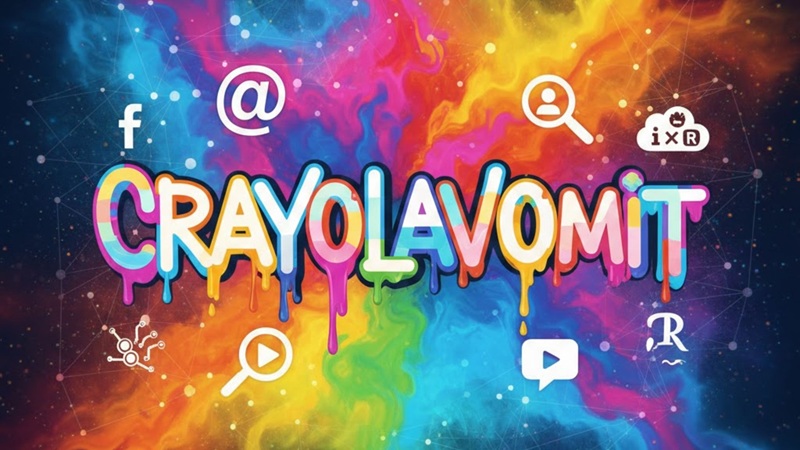
At its core, cray0lav0mit refers to both a creator identity and a recognizable visual style circulating in art-driven online communities. The name itself paints the picture: imagine opening a giant box of crayons and throwing every color onto the canvas at once — intentionally messy, loud, and bursting with personality.
This aesthetic is often described as:
-
High-contrast neon palettes
-
Dense, cluttered compositions
-
Rainbow-heavy overlays
-
Bold linework and stylized character forms
-
Visual “eye-strain” energy used deliberately
Instead of clean minimalism or soft pastels, this approach celebrates excess. It rejects the idea that art must be easy on the eyes. The visual noise is the point.
I remember the first time I scrolled past art in this style — my brain said “too much,” but my eyes refused to look away.
Where the Cray0lav0mit Presence Exists Online
The identity and aesthetic tied to this term are connected with several creative platforms, forming a cross-community footprint rather than existing in just one place.
Art & Social Platforms
The creator presence associated with this name is most visible on visual-first platforms where character illustrations and stylized designs thrive. Instagram and X (formerly Twitter) are key spaces where colorful, high-energy art gains traction through reposts, fandom sharing, and community interaction.
Character Hosting Communities
On Toyhou.se a platform popular for character storage and lore profiles linked with this style often feature:
-
Highly detailed original characters (OCs)
-
Backstories tied to fantasy, surreal, or chaotic themes
-
Color palettes that look intentionally overwhelming
Interactive Character Spaces
The name also appears in connection with JanitorAI, a community-driven platform where users create interactive character bots. Characters built around this aesthetic often lean into exaggerated personalities, unpredictable dialogue styles, and visually descriptive traits that match the art vibe.
This multi-platform presence shows that the identity isn’t confined to art alone — it extends into storytelling, roleplay, and digital interaction.
The Aesthetic Explained: Why “Visual Chaos” Works
At first glance, the style can look like pure randomness. But there’s structure hidden inside the chaos.
| Feature | Cray0lav0mit Style | Minimalist Digital Art |
|---|---|---|
| Color Use | Extremely saturated, layered | Limited, muted palettes |
| Composition | Busy, crowded, energetic | Open space, clean layouts |
| Visual Impact | Immediate, overwhelming | Calm, controlled |
| Emotional Tone | Hyper, expressive, chaotic | Subtle, refined |
| Viewer Reaction | “This is intense” | “This is soothing” |
The intensity is intentional. It mirrors internet culture itself — fast, overstimulating, layered with references, personalities, and visual signals competing for attention.
This aesthetic thrives in the same digital environments where memes, glitch art, and maximalist fashion trends grow.
The Aesthetic in Digital Spaces
Picture a teenager customizing their online profile for a niche fandom community. Instead of using a simple avatar, they choose a character bursting with neon greens, electric pinks, mismatched accessories, glowing eyes, and chaotic background symbols. Their profile banner is equally loud, layered with stickers, sparkles, and glitch textures.
That visual identity instantly communicates:
-
Creativity
-
Fandom immersion
-
Emotional expressiveness
-
A rejection of “clean” corporate aesthetics
That’s the environment where this style thrives — spaces where personality beats polish.
More Than Just ColorIt’s Identity Signaling
This look functions almost like a digital flag. People who resonate with it often share overlapping traits:
-
Love of original characters
-
Comfort in fandom communities
-
Interest in roleplay or interactive storytelling
-
Preference for expressive, non-traditional art norms
In a sea of algorithm-friendly minimal designs, this approach feels personal and handcrafted. It says, “I made this for expression, not optimization.”
Ironically, that authenticity is what makes it memorable.
The Psychology Behind the Appeal
The brain reacts strongly to high-contrast color combinations. Bright neons and clashing tones trigger attention because they break visual expectations. While traditional design theory often warns against overuse, this aesthetic flips the rulebook.
The “too much” becomes the hook.
For many viewers, the style feels:
-
Energetic rather than calming
-
Emotional rather than polished
-
Playful rather than professional
It aligns with internet-native creativity, where rules are optional and experimentation is the culture.
Influence on Character Design Trends
This visual direction has shaped how newer artists build original characters. Traits often include:
-
Heterochromia or glowing eyes
-
Mixed patterns and textures
-
Accessory overload (pins, chains, charms)
-
Fantasy or surreal features
Instead of realism, exaggeration rules. Characters feel like walking mood boards.
Why the Term Sticks Around
Even as trends evolve, labels tied to strong aesthetics tend to survive because they give communities a shared language. Saying a design “has that crayon-explosion vibe” instantly conveys more than technical art terms could.
It’s shorthand for:
-
Loud color storytelling
-
Expressive digital identity
-
Controlled artistic chaos
And because the aesthetic thrives in user-driven spaces rather than corporate platforms, it evolves organically through artists and fandom circles.
Related: Bobbilou05 Unique Online Identity & Username Guide
Conclusion
Cray0lav0mit represents more than a creator name — it captures a vivid, chaotic, color-saturated aesthetic rooted in online character culture. It thrives across social art platforms, character-hosting sites, and interactive community spaces, influencing how people design, express, and visually brand themselves.
In a digital world increasingly filled with polished templates and algorithm-safe visuals, this explosive style stands out by doing the opposite. It embraces overload, emotion, and personality — and that’s exactly why people connect with it.
FAQs
What does cray0lav0mit mean?
It refers to both a creator identity and a loud, rainbow-heavy digital art style known for chaotic color use and expressive character design.
Is this an official art movement?
No, it’s more of a community-recognized aesthetic that developed organically online.
Where is this style most popular?
Art-focused social platforms, character-hosting communities like Toyhou.se, and interactive character platforms such as JanitorAI.
Why are the colors so intense?
The visual overload is intentional — it creates emotional impact and reflects internet-era creative freedom.
Is this style beginner-friendly?
Yes. It’s less about technical perfection and more about bold experimentation, making it accessible for expressive artists.