
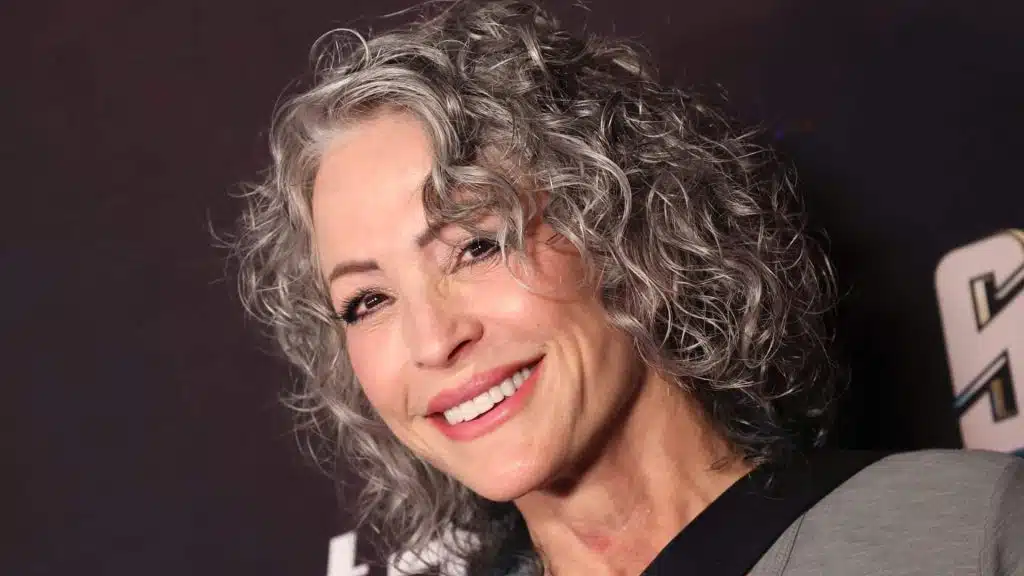
When people talk about Lisa Bonet or Zoë Kravitz, they usually mention the films, the red carpets, the fashion. What often gets lost is the story of the woman whose quiet, steady presence shaped that whole family tree: Arlene Joyce Litman. More than just “Lisa Bonet’s mom,” Arlene was a Jewish-American educator and music instructor whose life moved between love, conflict, single motherhood, and a long battle with illness.
Below is a fuller look at the woman behind the famous names.
Early Life and Jewish Roots
Arlene Joyce Litman was born on 11 February 1940 in Pittsburgh, Pennsylvania, to parents Eli Litman and Sylvia Ellen Goldvarg.
She grew up in an Ashkenazi Jewish family with Polish and Russian roots, part of a community shaped by immigration, tradition, and the lingering memories of the early 20th century.
She had at least one sibling, a brother named Barry Litman, and her childhood appears to have been relatively ordinary school, synagogue, and the kind of disciplined home life that later made teaching a natural path for her. Detailed records of her schooling are scarce, but multiple biographies agree that she was studious, serious about learning, and eventually gravitated toward education and music as her vocation.
A Life in the Classroom and in Music
Professionally, Arlene worked as a teacher and music instructor. Sources describe her simply as a “schoolteacher” or “music teacher,” but that understatement hides a lot of impact.
She wasn’t a celebrity, and she didn’t chase the spotlight. Instead, she invested her energy into students and into her daughter. The same musical thread that ran through her career also wove through her family life: her husband, Allen Bonet, was an opera singer, and their home was surrounded by voice, rhythm, and rehearsals.
While Arlene’s exact workplaces and salary aren’t documented, writers who’ve dug into her story consistently emphasize that her modest but steady teaching income was what allowed her to raise Lisa largely on her own after divorce, without the cushion of fame or wealth.
Love, Marriage, and Family Tensions
In the 1960s, Arlene met Allen Bonet, an African-American opera singer from Texas. Their shared love of music turned into a relationship, and the two married on 12 June 1967 in San Francisco, California.
But their union was not greeted with open arms. Arlene’s Ashkenazi Jewish family reportedly opposed her marriage to a Black man. Later, Lisa Bonet herself recalled that some of her maternal relatives “weren’t always nice,” and that she didn’t feel fully accepted in that side of the family because she was biracial and didn’t look like the stereotypical Jewish girl they expected.
Despite that resistance, Arlene went forward with the marriage. The couple welcomed their only child, Lisa Michelle Bonet, on 16 November 1967.
Single Motherhood and Raising Lisa Bonet
The relationship between Arlene and Allen ultimately didn’t last. They divorced after only a few years of marriage, and Allen moved on to another relationship and a larger second family. Arlene, however, never remarried. She focused on raising Lisa as a single mother, carving out a life for the two of them in California.
This wasn’t a simple, feel-good story. Lisa has spoken about never fully fitting in neither in school nor in parts of her own family. Yet, when she talks about her mother, her words are simple and powerful: “She was a good woman. She loved me.” That line says more about Arlene than any résumé ever could.
As Lisa entered the entertainment world beauty pageants, auditions, then her breakout as Denise Huxtable on The Cosby Show Arlene stayed mostly offstage. But behind the scenes, she was the anchor: taking care of logistics, supporting her daughter’s choices, and providing emotional backup during career highs and personal lows, including events like the 1994 Los Angeles earthquake, where Lisa later recalled her mother’s calming presence.
Identity, Heritage, and a Complex Legacy
Arlene’s life sits at a crossroads of identities: Ashkenazi Jewish heritage, a mixed-race child, and the shifting cultural realities of the United States in the 1960s–1990s. Her marriage to Allen Bonet highlighted racial and cultural tensions of the time, but also showed a very human story of two artists trying to build a family despite disapproval.
Through Lisa, that legacy continues. Lisa’s daughter, Zoë Kravitz Arlene’s granddaughter is now a major actress and musician in her own right. Biographical profiles of Zoë often mention that both her paternal grandfather (Sy Kravitz) and her maternal grandmother (Arlene Litman) were Ashkenazi Jews, underlining how Arlene’s background continues to shape how the family’s story is told.
Zoë has even honored her grandmother directly: one of the shades in a lipstick line she created was reportedly named for Arlene, a small but intimate tribute to the woman whose influence she knew only briefly before losing her.
Illness, Death, and How She’s Remembered
Arlene’s life was cut short by breast cancer. After a prolonged struggle with the disease, she died on 3 March 1998 in Los Angeles at the age of 58.
She passed away having already become a grandmother: Lisa’s daughter Zoë was born in 1988, so Arlene had at least a decade to see her grow. She did not live to meet Lisa’s younger children with Jason Momoa, but her presence still echoes in their stories through family photos, anecdotes, and the cultural heritage passed down from generation to generation.
Today, Arlene is not well known to the general public; she has no long Wikipedia biography, no exhaustive memoir. What we do have are fragments: a few photos, scattered notes in celebrity profiles, and some reconstructed family history entries on genealogy sites.
Those fragments add up to a portrait of someone who lived a very human life—full of hard choices, family conflict, and quiet courage. She chose love even when it meant going against her family’s expectations. She chose her child when marriage ended. Chose to keep teaching, keep working, and keep showing up, even while facing illness that would eventually take her life.
Related: Unraveling the Private Life of Matt Hancock’s Wife
Why Arlene Litman Matters
Arlene’s story resonates because it reminds us that behind every famous face there is often a parent who never asked for fame. Her influence doesn’t show up in box-office numbers or award lists, but in the way her daughter speaks about love, identity, and belonging, and in how her granddaughter navigates her own place in the world.
In the end, Arlene Litman’s legacy isn’t only that she was “Lisa Bonet’s mother.” It’s that she was a devoted educator, a woman who stood by her choices, and a mother whose quiet strength helped shape one of Hollywood’s most intriguing multigenerational families.