
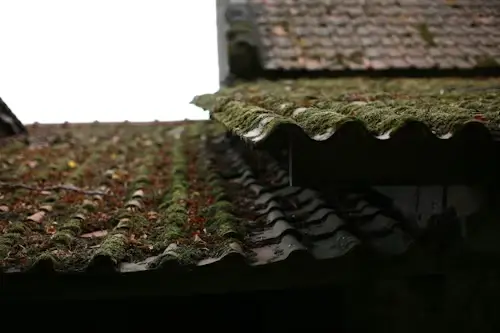
Moss on a roof rarely appears overnight. It creeps in slowly, fed by moisture, shade, and time, until one day you notice green patches spreading across shingles that once looked clean. Homeowners often ask the same question once they spot it: When should I actually deal with this? Understanding the best time of year to remove moss from a roof can mean the difference between a one-time fix and a problem that keeps coming back.
Timing isn’t just about convenience. It directly affects safety, effectiveness, roof lifespan, and how quickly moss regrows.
Why Timing Matters More Than the Method
Many people focus on how to remove moss—scraping, soft washing, or applying treatments—but overlook when to do it. Moss behaves differently throughout the year. It grows most aggressively during cool, damp seasons, then slows when conditions dry out.
Removing it at the wrong time often leads to:
-
Slippery, unsafe working conditions
-
Ineffective treatments that wash away
-
Faster regrowth because roots weren’t weakened
The goal isn’t just removal; it’s interruption of the moss life cycle.
Late Spring to Early Summer: The Sweet Spot
For most climates, late spring through early summer offers the most balanced conditions for roof moss removal.
By this point, moss has already gone through its peak growth phase during fall and winter. It’s fully visible, easier to identify, and hasn’t yet hardened into deep, stubborn mats. At the same time, weather patterns usually shift toward drier days and milder temperatures.
Dry shingles make scraping safer and more controlled. Moss is less slick, less spongy, and more likely to come off cleanly without tearing shingle granules. Any treatment applied afterward—whether zinc-based or eco-friendly solutions—has time to dry thoroughly and bond to the surface.
This window also gives your roof enough warm, dry days to fully dry out, which is critical for slowing regrowth.
Why Dry Weather Makes Such a Difference
Moisture is moss’s best friend. Removing it during wet seasons works against you.
In dry conditions:
-
Moss loses elasticity and releases more easily
-
Spores are less likely to spread
-
Chemical treatments remain active longer
-
Roof surfaces dry fully, discouraging regrowth
Trying to remove moss during rainy or humid weather often results in incomplete removal and faster return.
Early Fall: A Solid Second Choice
Early fall can also be an effective time, especially in regions with long, dry autumns. Temperatures are cooler, which makes roof work more comfortable, and moss hasn’t yet entered its most aggressive growth phase.
This timing works well as a preventative approach. Removing moss in early fall reduces the amount that can thrive through winter, limiting damage during the wettest months of the year.
However, fall timing comes with a narrower margin. Once steady rain returns, effectiveness drops quickly.
Late Winter or Early Spring: Situational but Risky
Some homeowners consider tackling moss as soon as winter ends. While it’s true that moss roots may not yet be deeply established, this period comes with challenges.
Weather can be unpredictable. A few dry days can turn wet or icy without warning. Shingles are often still damp, and temperatures may not support proper drying after treatment.
This timeframe can work in milder climates but requires close attention to forecasts and safety conditions.
When You Should Absolutely Avoid Moss Removal
Certain seasons work against both safety and results.
Deep winter is the worst option. Ice, snow, and constant moisture make roofs extremely slippery, while moss remains tightly bonded and difficult to remove.
Peak summer heat isn’t ideal either. High temperatures can soften shingles, increasing the risk of damage. Working on a roof in extreme heat also raises the risk of dehydration and falls.
How Different Seasons Compare at a Glance
| Season | Effectiveness | Safety | Regrowth Risk |
|---|---|---|---|
| Late spring–early summer | Very high | High | Low |
| Early fall | High | High | Moderate |
| Late winter–early spring | Moderate | Low–moderate | Moderate |
| Deep winter | Very low | Very low | High |
| Peak summer heat | Moderate | Low | Moderate |
This comparison helps explain why professionals consistently favor late spring and early summer for long-lasting results.
Many Homeowners Recognize
Picture a shaded home with tall trees nearby. Moss appears every winter, and each spring the roof looks worse. One year, the homeowner scrapes it off during a rainy March weekend. It looks better—briefly. By autumn, the moss is back thicker than before.
The following year, the same homeowner waits until June. The roof is dry, the moss comes off more cleanly, and a preventative treatment is applied. That roof stays clear well into the following year.
The difference wasn’t effort. It was timing.
One Personal Insight from Experience
The first time I dealt with roof moss, I rushed the job in early spring and watched it return within months—waiting for drier weather the next year made the cleanup noticeably easier and far more effective.
Why Professionals Time Moss Removal Carefully
Roofing professionals rarely schedule moss removal randomly. They plan it around:
-
Dry weather forecasts
-
Post-growth cycles
-
Ideal treatment conditions
This isn’t about upselling—it’s about minimizing repeat work and preventing roof damage. Homeowners who align with this timing usually need fewer treatments over time.
Preventing Moss After Removal
Choosing the right time of year gives you momentum, but prevention keeps results lasting longer.
After removal:
-
Trim overhanging branches to increase sunlight
-
Keep gutters clear to reduce moisture buildup
-
Consider zinc or copper strips near the roof ridge
-
Inspect shaded areas annually
These steps are most effective when paired with seasonal timing that already works in your favor.
Related: Natalieofhousewild: Stand Out with a Unique Identity
Conclusion
Understanding the best time of year to remove moss from a roof isn’t just a technical detail—it’s the foundation of long-term success. Late spring to early summer offers the ideal mix of dry conditions, manageable temperatures, and post-growth timing that makes removal safer, easier, and longer-lasting.
While early fall can also work well, tackling moss during wet, icy, or extreme heat conditions often leads to frustration and repeat problems. When timing aligns with moss behavior and weather patterns, your roof stays cleaner longer, and your effort actually pays off.
Frequently Asked Questions
Does moss grow faster in winter or summer?
Moss grows most actively during cool, damp seasons like fall and winter, not during hot, dry summer months.
Can I remove moss myself, or should I hire a professional?
Small patches can often be handled safely by homeowners in dry conditions, but large or steep roofs are best left to professionals.
How often should moss be removed from a roof?
With proper timing and prevention, most roofs only need moss removal every few years.
Will moss damage my roof if left alone?
Yes. Moss holds moisture against shingles, which can shorten roof lifespan and lead to rot over time.
Is chemical treatment necessary?
Not always, but treatments applied during dry seasons help prevent regrowth more effectively than scraping alone.