
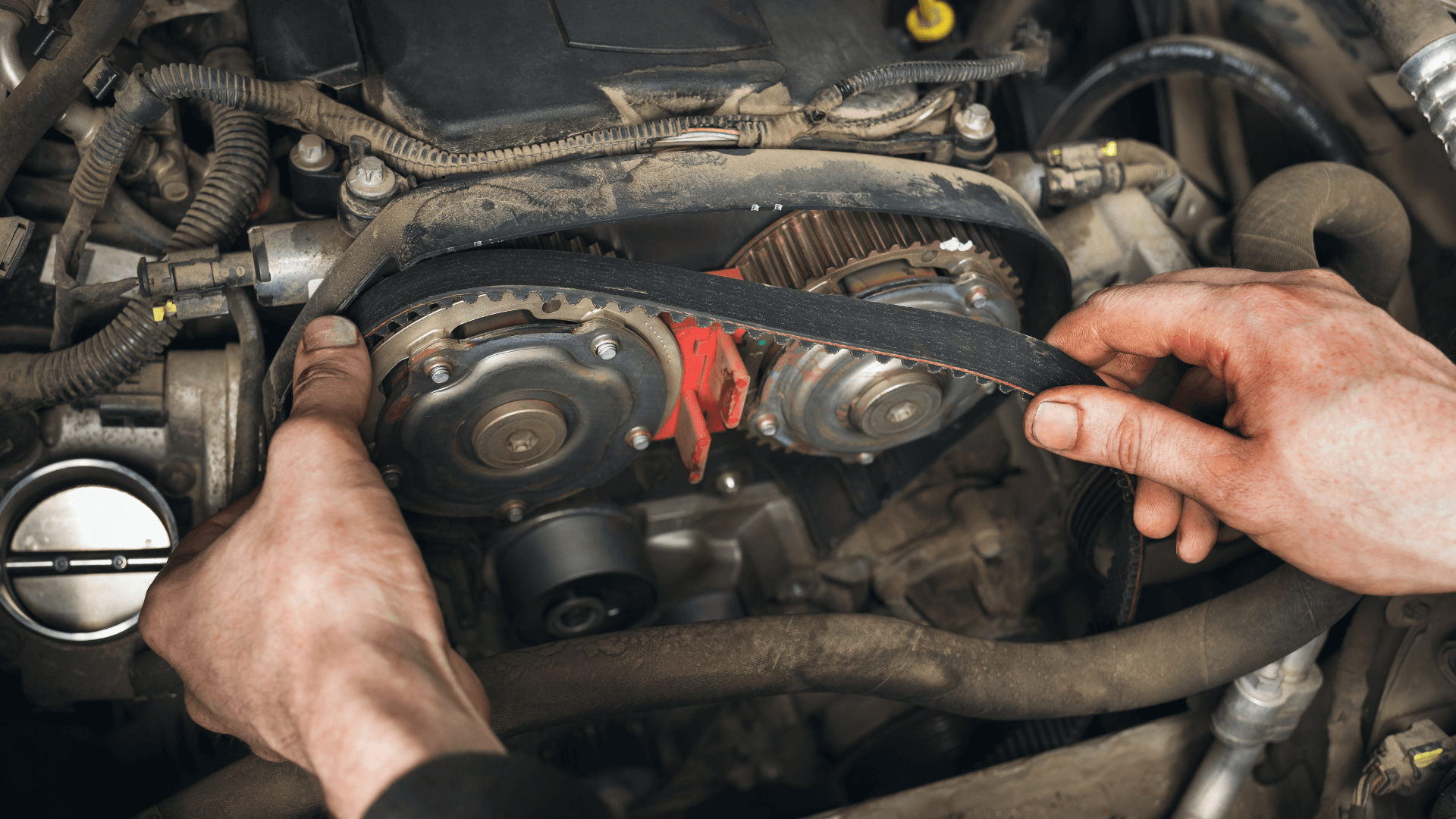
If you’ve typed does my car have a wet belt by reg into Google, you’re probably not idly curious. You’re worried—about maintenance costs, unexpected engine damage, or whether the car you already own (or plan to buy) is hiding an expensive surprise under the bonnet. That concern is valid. Wet timing belts have become one of the most misunderstood and debated pieces of modern engine design, especially in the UK and Europe.
Here’s the honest truth up front: you can’t reliably tell whether your car has a wet belt just from its registration number alone. A reg check can point you in the right direction, but it won’t give a definitive yes or no without digging a little deeper. The good news? You don’t need to be a mechanic to figure it out, and once you understand how wet belts work, the mystery largely disappears.
Why this question comes up so often
Timing belts used to be simple. Older cars either had a dry rubber belt (easy to spot, relatively cheap to replace) or a metal timing chain (loud but long-lasting). Wet belts changed that equation.
Manufacturers introduced belts that run inside the engine, lubricated by oil, to reduce friction, noise, and emissions. On paper, it was clever engineering. In real life, it created confusion for owners who didn’t realise their “belt” was behaving more like an internal engine component.
That’s why so many drivers now ask whether their car has one—often after hearing horror stories about blocked oil pick-ups, premature wear, or eye-watering repair bills.
What a wet belt actually is ?
A wet belt is a timing belt that runs inside the engine, submerged in oil, rather than outside it behind a plastic cover. The oil reduces friction and noise, helping engines meet modern efficiency standards. Unlike chains, though, these belts are still made of reinforced rubber, which means they do degrade over time—sometimes faster than expected if oil quality or service intervals aren’t perfect.
This design sits in an awkward middle ground: quieter than a chain, more efficient than a dry belt, but far less forgiving if maintenance slips.
Can you tell by registration number alone?
Short answer: no. Longer answer: a registration check can narrow things down, but it won’t confirm it on its own.
A reg lookup usually tells you the model, year, engine size, and sometimes fuel type. That information helps identify engines known to use wet belts, but many models were sold with multiple engines in the same year—some wet belt, some chain, some dry belt.
Think of the registration as the starting clue, not the final answer.
How people actually confirm it (what really works)
Most owners piece together the answer using a combination of these methods:
-
Owner’s manual
This is the most reliable source. Manufacturers usually specify whether the timing belt runs in oil and what the replacement interval is. -
Visual inspection
A wet belt requires a sealed metal cover because oil is circulating inside. Dry belts typically sit behind a plastic casing. Even without removing parts, the difference is often visible to a trained eye. -
VIN or manufacturer lookup
Entering your VIN or registration into a manufacturer’s website or a reputable parts catalogue often reveals exact engine details, including belt type. -
Dealer or specialist confirmation
A five-minute check by someone who works on these engines daily can save months of anxiety.
I once saw a nearly new car written off because the owner followed generic servicing advice instead of the specific oil requirements for its wet belt system.
Engines commonly associated with wet belts
While this isn’t exhaustive, certain engines come up repeatedly in owner forums, recall discussions, and service bulletins:
-
Small turbo petrol engines from the 2010s
-
Some modern diesel variants designed for emissions compliance
-
Downsized engines prioritising efficiency over mechanical simplicity
This is why two identical-looking cars on the same driveway can have completely different maintenance risks under the hood.
How wet belts compare with other timing systems
To make sense of the trade-offs, it helps to see how wet belts stack up against alternatives:
| Feature | Wet Belt | Dry Timing Belt | Timing Chain |
|---|---|---|---|
| Location | Inside engine oil | Outside engine | Inside engine |
| Noise | Very quiet | Quiet | Louder |
| Efficiency | High | Moderate | Moderate |
| Oil sensitivity | Very high | Low | Moderate |
| Failure risk | Can be severe | Predictable | Gradual |
| Replacement cost | High | Low to medium | High |
This is why wet belts polarise opinion: they perform beautifully when maintained perfectly, but punish neglect far more than older systems.
Why it matters more than people expect
A worn wet belt doesn’t just snap. As it degrades, tiny rubber particles can contaminate engine oil, clogging the oil pick-up and starving the engine of lubrication. The driver often gets little warning—sometimes just an oil pressure light, sometimes nothing at all.
That’s why knowing whether your car has one affects everything from oil choice to service intervals to resale value.
A real-life example most drivers recognise
Imagine buying a used hatchback that feels perfect: low mileage, full service history, smooth drive. Six months later, the oil pressure warning flickers. The garage drops the sump and finds rubber debris blocking the oil pick-up. Suddenly, a routine car becomes an engine rebuild conversation. In many cases like this, the owner didn’t even know the car used a belt running in oil, let alone that oil spec and change frequency were critical.
This is exactly why people search for answers before problems appear.
Practical advice if your car does have a wet belt
If you confirm that your engine uses one, don’t panic—just be disciplined.
-
Follow oil specifications exactly, not “close enough”
-
Shorten oil change intervals if you do lots of short trips
-
Never ignore oil pressure warnings
-
Budget for replacement earlier than the absolute maximum interval
Wet belts aren’t inherently bad. They’re just intolerant of shortcuts.
The bigger picture most articles miss
The real issue isn’t whether wet belts are “good” or “bad.” It’s that modern engines demand informed ownership. Registration numbers, marketing brochures, and dealer assurances don’t replace understanding what’s happening mechanically. Once you treat a wet belt as a precision component rather than a lifetime fit-and-forget part, the fear around them drops dramatically.
Related: When May You Overtake on a One-Way Street? A Practical Guide for Real Drivers
Conclusion
So, does your car have a wet belt by reg? Not definitively—but your registration can start the investigation. The real answers come from combining engine identification, visual checks, and manufacturer data. If your car does use one, it isn’t a ticking time bomb, but it is a system that rewards careful maintenance and punishes neglect. Knowing that difference is what separates expensive surprises from long, trouble-free ownership.
Frequently Asked Questions
Can a wet belt last the lifetime of the car?
In theory, yes. In practice, that depends entirely on oil quality, change intervals, and driving conditions.
Is a wet belt worse than a timing chain?
Not inherently. Chains stretch gradually, while wet belts can fail more suddenly if oil contamination occurs.
Do all small turbo engines use wet belts?
No. Many use chains or dry belts. Engine design, not size alone, determines the system.
Will a normal service check spot wet belt problems?
Usually not. Degradation often happens internally and requires specific inspection.
Should I avoid buying a car with a wet belt?
Not automatically. A well-maintained example can be a great buy, especially if the price reflects future maintenance.
Can changing oil more often really help?
Yes. Fresh, correct-spec oil dramatically reduces belt degradation and debris buildup.
If you’re still unsure, a quick engine check today is far cheaper than an engine rebuild tomorrow.