
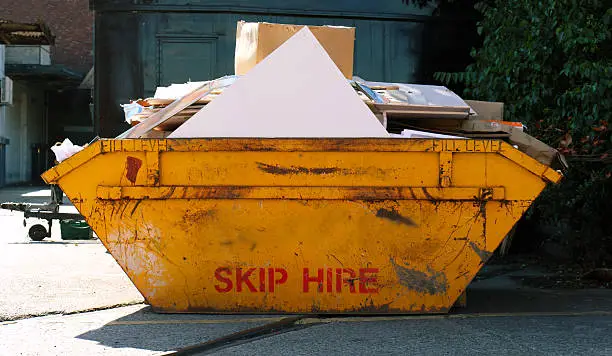
If you’ve ever tackled a home renovation, garden clear-out, or construction project, you’ve probably reached the same question at some point: how much does a skip actually cost? On the surface, it sounds like a simple pricing query, but the real answer depends on far more than just size or location. Pricing varies based on waste type, hire duration, permits, and even how efficiently you fill it.
Skip hire sits at the intersection of convenience, compliance, and cost control. Get it right, and waste removal becomes effortless. Get it wrong, and you risk hidden fees, delays, or fines. This guide breaks everything down clearly, realistically, and practically—so you can budget with confidence instead of guesswork.
What a Skip Is and Why Pricing Isn’t One-Size-Fits-All
A skip is a large, open-topped container delivered to your location, collected once filled, and taken to a licensed waste facility. It’s designed for bulk disposal—something wheelie bins simply can’t handle.
The price isn’t just for the container. You’re paying for transport, disposal fees, environmental processing, and compliance with waste regulations. This is why costs vary widely even for skips that look identical.
From my own experience clearing out a garage after years of accumulated renovation debris, I learned that choosing the wrong size once can cost more than hiring correctly the first time.
Typical Skip Hire Costs (UK Averages)
While prices fluctuate regionally, the following ranges offer a realistic benchmark:
| Skip Size | Common Use Case | Average Cost |
|---|---|---|
| Mini (2–3 yard) | Small home clear-outs | £80 – £140 |
| Midi (4–5 yard) | Bathroom renovations | £140 – £220 |
| Builder’s (6–8 yard) | Construction waste | £220 – £350 |
| Large (10–12 yard) | Light bulky waste | £320 – £450 |
| Roll-on Roll-off | Commercial projects | £500 – £900+ |
These figures usually include delivery, collection, and a standard hire period of 7–14 days.
Why Two People Pay Different Prices for the Same Size Skip
This is where many people get caught out. The size of the skip is only one part of the equation.
Location matters more than most expect. Urban areas tend to be pricier due to higher disposal charges and permit requirements. Rural locations may be cheaper—but transport distance can offset that.
Waste type also plays a huge role. General household waste is cheaper to process than heavy materials like soil, bricks, or concrete. Mixing restricted items such as plasterboard or mattresses can trigger additional charges.
Hire duration is another silent cost factor. Exceeding the agreed time frame often results in daily extension fees.
Permits: The Cost People Forget to Budget For
If the skip sits on private property—like a driveway—no permit is needed. But place it on a public road, and you’ll usually need council approval.
Permit costs typically range from £30 to £100 depending on council and duration. Some skip providers handle this for you, while others leave it to the customer. Always check. Assuming it’s included is a common mistake.
Choosing the Right Size Saves More Than Downsizing
Many people try to save money by hiring the smallest possible skip. Ironically, this often costs more.
When a skip fills up early, you’re forced to order a second one—or upgrade mid-hire. Both options are almost always more expensive than choosing correctly upfront.
A useful rule: if you’re unsure between two sizes, go slightly larger. The price difference is often marginal, while the flexibility is significant.
Domestic vs Commercial Pricing Differences
Homeowners typically pay a flat rate that includes standard waste. Businesses, however, are often charged based on weight, waste type, and landfill classification.
Commercial skips may seem more expensive, but they usually offer better efficiency per cubic yard—especially for ongoing projects where time delays are costly.
Environmental Fees and Why They Exist
Skip pricing includes landfill tax and recycling costs. These fees aren’t arbitrary—they’re designed to reduce environmental impact.
Reputable companies sort waste aggressively, recycling where possible. This is why ultra-cheap quotes should raise eyebrows. If disposal costs seem unrealistically low, compliance may be questionable.
Understanding Cost Variations Through Practical Examples
Imagine a kitchen renovation producing mixed waste: cabinets, tiles, plasterboard, and packaging. A standard builder’s skip seems ideal. However, plasterboard alone may require separate disposal.
Without knowing this, you might load everything together—only to receive an extra charge after collection. Planning waste separation from day one often reduces final cost, even if the initial quote looks slightly higher.
How Long Should You Hire a Skip For?
Most residential hires last one to two weeks. Extending beyond that can cost £5–£20 per day.
If your project timeline is uncertain, ask upfront about flexible extensions. Some providers offer discounted long-term rates that aren’t advertised online.
What You’re Really Paying For (Beyond the Skip)
When priced fairly, skip hire includes:
-
Delivery and collection logistics
-
Licensed waste processing
-
Recycling and landfill fees
-
Compliance with environmental regulations
-
Insurance and operational overhead
Understanding this helps explain why prices aren’t comparable to informal waste removal.
Making Skip Hire Cost-Efficient
A few practical strategies reduce overall spend:
-
Break down bulky items before loading
-
Load evenly to avoid wasted volume
-
Keep prohibited items out entirely
-
Confirm weight limits before hiring
Efficiency matters more than squeezing for the cheapest headline price.
The Bigger Value Most People Miss
The real value of skip hire isn’t just disposal—it’s time, compliance, and mental clarity. When waste is handled professionally, projects move faster, sites stay safer, and stress drops dramatically. That benefit rarely shows up in a quote but matters far more than a small price difference.
Related: How Long to Wear Compression Stockings After Abdominal Surgery
Conclusion
So, how much is a skip? The honest answer is that it depends—but not unpredictably. Once you understand size, waste type, permits, and duration, pricing becomes transparent and manageable.
Instead of hunting for the lowest number, focus on suitability, compliance, and reliability. The right skip, chosen with context, almost always costs less in the long run than the cheapest one chosen blindly.
Frequently Asked Questions
Is skip hire cheaper than multiple tip runs?
For anything beyond small amounts of waste, yes. Fuel, time, and disposal fees add up quickly with repeated trips.
Can I put anything in a skip?
No. Hazardous materials, electrical items, and certain construction waste are restricted. Always check beforehand.
Do skip prices include VAT?
Not always. Some quotes exclude VAT, so confirm the final total before booking.
What happens if I overload a skip?
Overfilled skips may not be collected, or you may be charged extra for unsafe transport.
Is same-day delivery more expensive?
Sometimes. Availability and location determine whether urgent delivery carries a surcharge.