
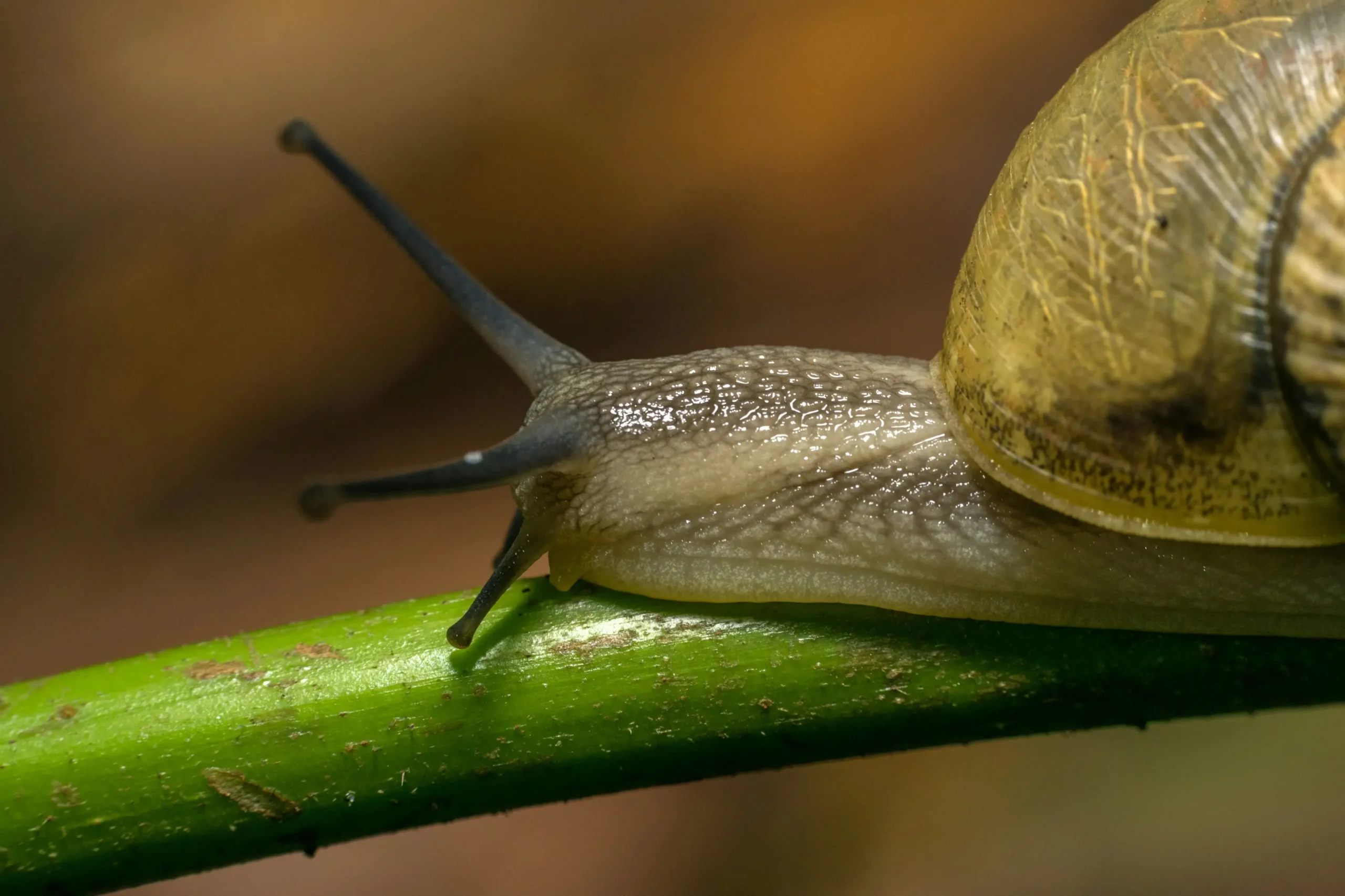
There’s a moment every homeowner dreads: you walk into the kitchen at night, flip on the light, and see a slimy trail glistening like a crime scene you never agreed to investigate. Slugs inside the house feel unsettling, and the question becomes immediate—how do you actually get rid of them for good? The answer isn’t just about killing slugs; it’s about removing the reasons they entered in the first place. The most effective approach blends sealing entry points, controlling moisture, eliminating attractants, and placing targeted traps. This balance handles the problem quickly while preventing a repeat invasion. I learned this myself after discovering slugs emerging from behind a dishwasher at 1 a.m., and it changed how I manage moisture and gaps around the home.
Before diving deeper, here’s the powerful idea that defines success: slugs don’t invade randomly—they invade because the environment allows it. Fix the environment and the invasion ends. This mindset is where people often fail, because they focus on salt and traps while ignoring the moisture, crumbs, and unsealed cracks that make their home a slug resort.
Why Slugs Enter Homes in the First Place
Understanding their motivation reveals the solution. Slugs are attracted to four things:
-
Moisture: They need dampness to avoid drying out.
-
Food: Pet food, fallen crumbs, decaying plant matter, and houseplants.
-
Gaps & Cracks: Openings around foundations, door frames, pipe cutouts, and vents.
-
Nighttime Safety: They travel when light is low and humidity is high.
This is why people see them near bathrooms, kitchens, basements, and laundry rooms. Those areas provide water, shelter, and safe routes.
The Core Strategy to Remove Slugs from Your Home
Instead of repeating the exact keyword unnaturally, the approach can be described as a multi-step removal and prevention system: locate, block, dry, deter, trap, and maintain.
-
Seal Entry Points
-
Caulk gaps around doors, windows, and baseboards.
-
Use expanding foam around pipe cutouts.
-
Add door sweeps and weather stripping at exterior doors.
-
Check vents and utility lines and use mesh barriers where possible.
-
-
Control Moisture
-
Use dehumidifiers in basements, kitchens, and laundry areas.
-
Fix leaking pipes and sweating plumbing joints.
-
Increase ventilation: exhaust fans, open windows during dry weather.
-
Move damp towels, laundry baskets, and mops off the floor.
-
-
Remove Food Sources
-
Clean crumbs and grease traps.
-
Don’t leave pet food out overnight.
-
Place houseplants in trays so slugs can’t climb from drainage holes.
-
-
Immediate Deterrents
-
Copper tape at entry points (tiny electrical reaction makes slugs turn back).
-
Salt sparingly at problem spots (keep away from pets).
-
Coffee grounds at doorways and plant trays.
-
Diatomaceous earth around dry, high-risk routes.
-
-
Traps for Fast Reduction
-
Beer traps: shallow containers; slugs drown trying to reach the yeast scent.
-
Grapefruit rind shelters: slugs hide underneath overnight; discard outside.
-
Night patrol: flashlight and gloves for physical removal.
-
A Natural Comparison of Common Methods
(Integrated naturally as part of the information flow, not a labeled section)
| Method | Best For | Downsides | Safety Notes |
|---|---|---|---|
| Copper tape | Long-term prevention at entry points | Requires clean, dry surface to stick | Safe for kids/pets |
| Salt | Quick, visible results | Can harm surfaces & pets if overused | Use sparingly and away from animal access |
| Beer traps | Fast catch & reduce population | Must be emptied regularly | Place where kids/pets can’t reach |
| Diatomaceous earth | Stops travel routes & dries slugs | Must stay dry to work | Can irritate lungs; handle gently |
| Garlic/essential oil spray | Repels slugs from rooms/doorways | Needs reapplication | Patch-test surfaces before use |
| Dehumidifiers | Long-term prevention | Requires electricity | Excellent for basements/kitchens |
This balanced comparison helps you select methods based on your home conditions instead of guessing.
How This Works in a Real Residential Environment
Imagine a small ground-floor apartment with a garden exit that backs onto a damp lawn. Night after night, slugs appear near the fridge. The tenant puts salt on them and wins the battle—but loses the war. They keep coming. Then, the tenant changes strategy:
-
Seals a tiny basement-level crack near the back door.
-
Places copper tape under the fridge toe-kick gap.
-
Puts a dehumidifier near the laundry area.
-
Stops leaving the cat’s food out overnight.
-
Sets a beer trap for two nights.
By day three, no trails appear. The traps catch the stragglers. By fixing conditions that attracted the pests, the problem ends—not temporarily, but fully.
Adding Something Others Don’t Offer (Value You Can Apply Today)
Many guides online say “just salt them” or “use copper,” but they don’t tell you where to start or in what order. The most valuable approach is to inspect the home like a detective:
Start here:
-
Look for the first place the slime trail dries.
-
Follow it backward until the sheen disappears.
-
The silent, matte spot is usually the entry point.
This single technique saves hours of trial and error. It’s the unique shift—hunting the route instead of reacting to the slug—that creates a long-term fix.
A More Targeted Action Plan (Quick Checklist)
-
Tonight: Set traps, inspect moisture, follow trails.
-
Tomorrow: Seal gaps, install copper tape, clean food sources.
-
Within 72 hours: Reduce humidity and apply natural deterrents.
-
Weekly: Re-check entry points & refresh traps if needed.
Related: Why Are There So Many Flies in My House? Causes, Reasons & Fixes
Conclusion
Getting rid of slugs indoors isn’t guesswork; it’s environmental control. Remove what attracts them, secure what lets them in, and use traps only as the final step. This blend of prevention and targeted action stops the invasion at the root. When you disrupt moisture, access, and food, the problem doesn’t return—your house becomes an unfriendly environment for slugs, and they stay outside where they belong.
FAQs
1. Do slugs mean I have a dirty house?
Not necessarily. It’s usually moisture, not dirt, that attracts them.
2. Will salt alone solve the problem?
No. It kills individual slugs but doesn’t stop new ones from entering.
3. Can they harm pets?
Not usually, but they can carry parasites. Remove them promptly.
4. What smell do they hate the most?
Garlic, lavender, eucalyptus, coffee, and rosemary are the strongest natural deterrents.
5. Is copper tape really worth it?
Yes. It’s one of the highest long-term success methods when entry points are known.