
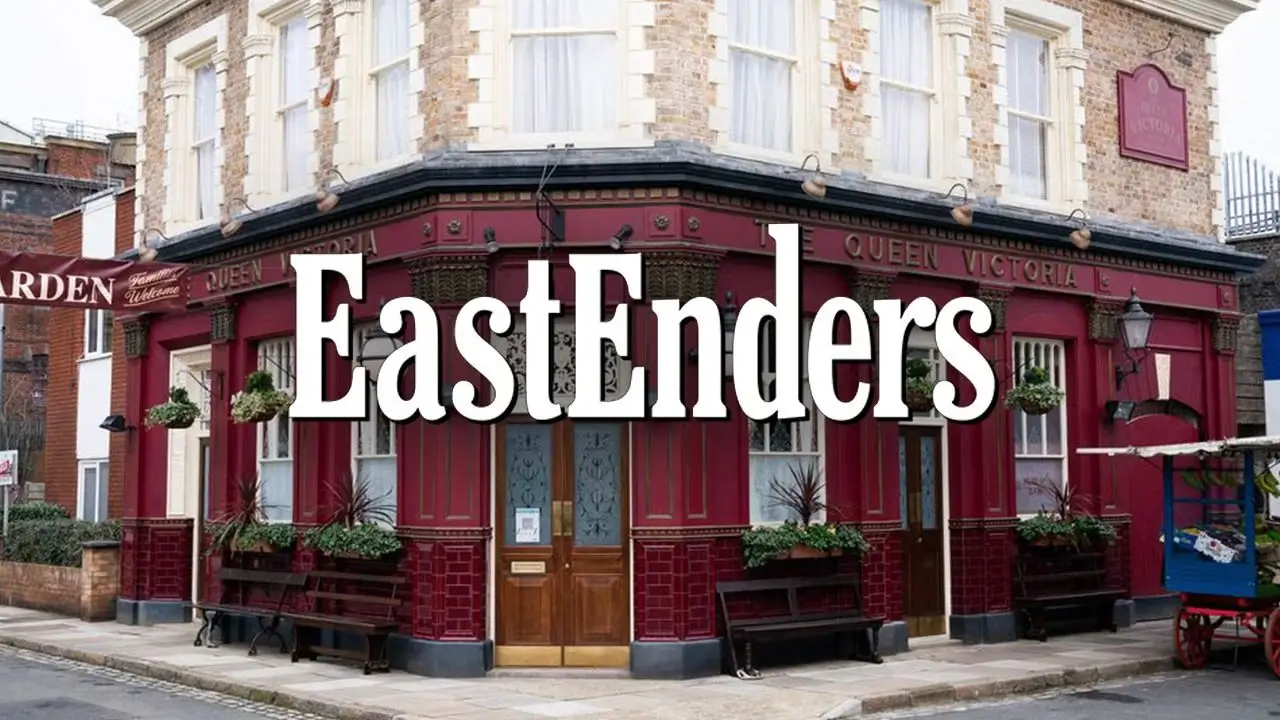
For decades, EastEnders has been the heartbeat of British television an iconic soap that captures everyday life, raw emotions, and unforgettable drama straight from the heart of Walford. It has survived shifting TV trends, fierce competition, cast departures, and changes in production leadership. Yet every few years, a wave of concern hits loyal viewers, sparking one burning question: is EastEnders ending?
In recent months, whispers online, fan forum discussions, and changing cast line-ups have reignited this debate. With the show entering new phases and undergoing creative shifts, many fans fear that the BBC may one day pull the plug on the long-running soap. But is there any real truth behind the speculation? Let’s dig deep into the rumours, the facts, and the future of one of the UK’s most loved television institutions.
Why People Think EastEnders Might Be Ending
Soap operas naturally attract speculation—especially shows that have been on air for nearly four decades. As the entertainment world rapidly shifts toward digital platforms and streaming services, traditional TV viewership has gone through noticeable changes. EastEnders is not alone; legacy soaps across the world face similar questions regarding longevity.
Several reasons have contributed to the renewed debate:
1. Frequent Cast Changes and Shock Departures
Long-time viewers understand that cast turnover is normal in soaps, but when several recognisable faces exit in a short span, it fuels uncertainty. Major characters leaving can give the impression that a show is losing its foundation or struggling creatively. Social media often amplifies this fear, with fans assuming these exits signal bigger issues behind the scenes.
2. Shifts in Production Leadership
Changes in executive producers tend to spark questions about direction. Not long ago, EastEnders went through another leadership transition that prompted speculation regarding the future of the show. Fans often interpret creative reshuffles as a sign of behind-the-scenes turbulence, even though such changes are common in long-running productions.
3. Declining Traditional Ratings
It is no secret that linear TV ratings have dipped across the industry—not just for EastEnders. With younger audiences moving toward on-demand content, numbers can sometimes appear alarming to casual observers. However, traditional ratings no longer represent a show’s true performance. Modern metrics include BBC iPlayer streams, digital engagement, and global reach—areas where EastEnders still performs strongly.
4. Viral Rumours on Social Media
Online speculation spreads rapidly, often with little factual basis. A single post, misleading headline, or misinterpreted quote can spiral into a trending fear that the show is being cancelled. In the era of fast-moving information, rumours can overshadow reality.
What the Evidence Actually Shows
Despite the ongoing speculation, the actual signs point to the complete opposite of a cancellation. EastEnders is not just surviving—it is actively evolving.
1. New Storylines and Revitalised Plots
Recent episodes show a clear effort to refresh long-running arcs with sharper writing, emotionally rich interactions, and modern themes that resonate with today’s audience. The show is focusing heavily on character-driven drama while also confronting contemporary social issues, proving that the creative team is investing heavily in the future rather than winding down.
2. Major Anniversary Celebrations
A television network would never invest in extravagant anniversary programming if it planned to quietly shut a show down. Special episodes, returning characters, and extended story arcs for milestone years are strong indicators of commitment. Whenever EastEnders marks major anniversaries, the production quality, marketing push, and public engagement all soar—hardly the behaviour of a network preparing to end a show.
3. Investment in New Sets and Technology
BBC’s reinvestments into updated sets, enhanced cinematography, and improved sound and lighting demonstrate long-term planning. These upgrades modernise the show’s look and feel, making it more competitive with today’s dynamic TV landscape. A show nearing its end would not receive such costly improvements.
4. Strong Digital and Streaming Performance
While traditional television ratings may look different compared to the 1990s and early 2000s, streaming has dramatically changed the landscape. EastEnders consistently ranks among the most-watched programmes on BBC iPlayer. Younger viewers who prefer watching episodes at their convenience continue to boost replay numbers, proving that the audience is still very much present—just in different formats.
5. BBC’s Public Position on the Show
The BBC has repeatedly affirmed its commitment to maintaining a strong slate of British drama. EastEnders remains one of its flagship programmes, representing a significant cultural legacy. Networks rarely discard titles that hold deep national recognition unless forced by extreme circumstances—and nothing suggests that such a situation is unfolding.
Why Ending EastEnders Now Makes No Sense
If you examine the landscape of British television, it becomes clear why EastEnders remains a cornerstone of programming. Shows with decades-long legacies hold unique positions in public memory. They carry the emotions, nostalgia, and familiarity that new productions simply cannot replace. Ending such a series would be both financially and culturally unwise.
Cultural Importance
EastEnders reflects working-class London, social challenges, and the raw, sometimes harsh realities of everyday life. It’s a mirror of British society, and ending it would leave a noticeable gap.
Generational Viewership
Many families have watched the show for generations—parents, children, and grandparents bonding through their shared love for Walford.
Public Service Value
The BBC, as a public service broadcaster, often uses EastEnders to highlight important issues such as mental health, addiction, domestic struggles, discrimination, and community support. These storylines generate nationwide conversations and support.
Merchandising, branding, and syndication
EastEnders’ global viewership and international licensing deals continue to provide financial incentive for the BBC to keep the show alive.
So… Is EastEnders Ending? Here’s the Final Answer
Based on all available evidence, industry signals, network behaviour, and ongoing production investment, the answer is clear: No, EastEnders is not ending.
What viewers are witnessing is not a shutdown—it’s a transformation. The show is adapting to new audiences, embracing modern storytelling techniques, experimenting with fresh character dynamics, and adjusting its pace to fit a rapidly evolving entertainment world. This evolution may feel unfamiliar to long-term fans, but it is necessary to ensure the series remains relevant.
Rather than fearing the show’s end, viewers should expect:
-
Bolder storylines
-
Stronger character arcs
-
More cinematic production quality
-
Increased digital presence
-
New creative leadership shaping the next era
EastEnders isn’t quietly walking away. It’s stepping into a new chapter.
Conclusion
Rumours about EastEnders ending tend to arise whenever the show enters a transitional phase. But history has shown that the soap is resilient, adaptable, and deeply rooted in British culture. With continued investment, strong digital numbers, creative regeneration, and unwavering audience loyalty, there is no realistic indication that the show is nearing its final episode.
As long as there are stories to tell in Albert Square—and as long as viewers continue to care—EastEnders will remain a living, breathing part of UK television. The question shouldn’t be “Is EastEnders ending?” but rather: “Where will the drama of Walford take us next?”