
Some phrases survive not because they are trendy, but because they feel true across generations. “Long way to Tipperary” is one of those expressions. At first glance, it sounds like a simple reference to distance. Look closer, and it opens into a layered story of music, war, longing, irony, and human resilience. Even today, the phrase continues to surface in conversations, writing, and culture—often when people want to describe a journey that is emotionally longer than it is physically measured.
This article explores where the phrase came from, what it originally meant, how its meaning evolved, and why it still carries weight in modern life.
Where “Long Way to Tipperary” Comes From
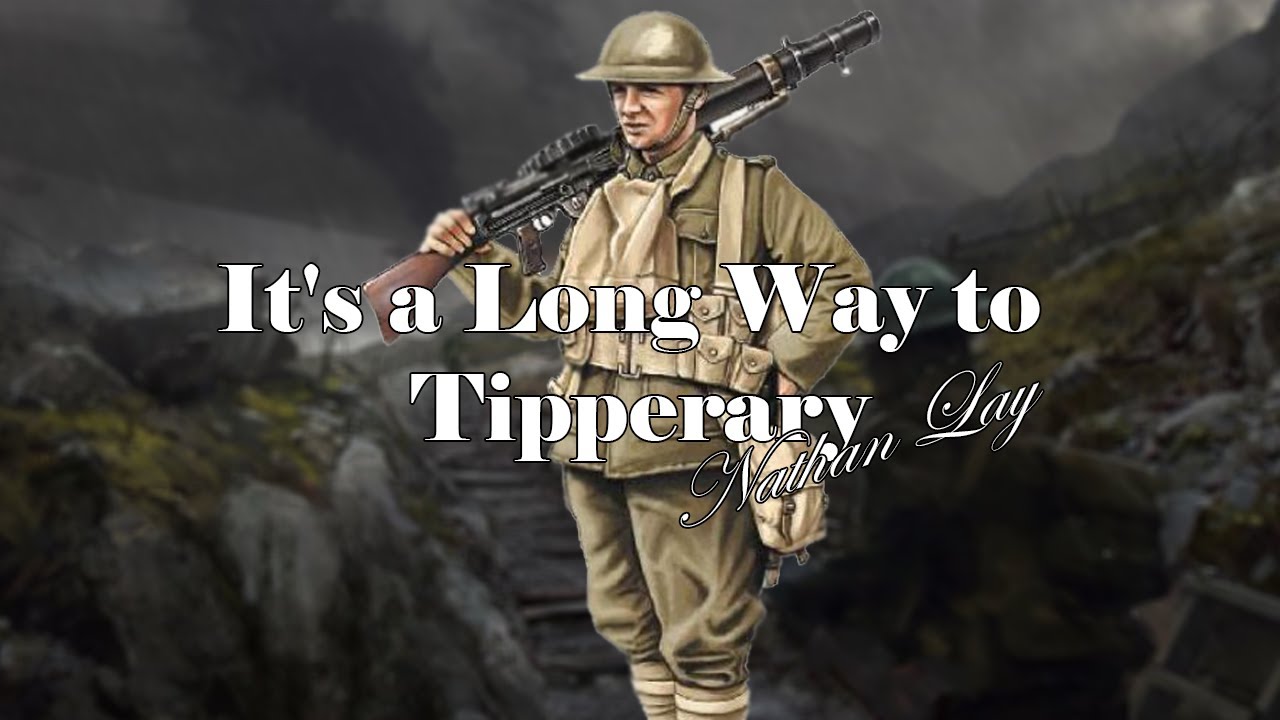
The phrase traces back to an early 20th-century song that gained massive popularity during World War I. Soldiers marching across Europe sang it not because it was patriotic in the traditional sense, but because it captured homesickness with a touch of humor. Tipperary, a county in Ireland, symbolized “home”—not just a location, but a feeling of safety, familiarity, and belonging.
What made the phrase powerful was contrast. Soldiers were physically far from Ireland, but emotionally even farther from the lives they once knew. Saying it was a “long way” acknowledged more than miles; it admitted loss, separation, and uncertainty.
Over time, the phrase slipped free from the song and entered everyday language.
What the Phrase Really Means
Today, when someone says something is “a long way to Tipperary,” they are rarely talking about Ireland. The phrase has become shorthand for:
-
A goal that feels distant or difficult to reach
-
A process that will take patience, effort, and endurance
-
The gap between where someone is now and where they want to be
It often carries a note of realism rather than pessimism. The journey is long, yes—but not impossible.
There is also a quiet emotional layer to the phrase. It suggests longing: for home, for resolution, for a simpler version of life. That emotional undertone is why the expression still feels human rather than mechanical.
How Its Meaning Has Shifted Over Time
Originally, the phrase balanced irony and nostalgia. Soldiers sang it almost cheerfully, even though the circumstances were grim. That tension—between light tone and heavy reality—is part of why it endured.
In modern usage, the phrase has broadened. It can describe:
-
A career path that will take years to mature
-
Recovery from illness or burnout
-
Building trust, skills, or stability over time
-
Large societal or organizational change
Unlike phrases that promise quick success, this one openly admits complexity.
How It Compares to Similar Expressions
| Expression | Core Meaning | Emotional Tone | Typical Use |
|---|---|---|---|
| Long way to Tipperary | A distant, meaningful goal | Reflective, realistic | Life journeys, personal growth |
| Long road ahead | Future challenges remain | Neutral to serious | Planning, forecasting |
| Light at the end of the tunnel | Hope after hardship | Optimistic | Recovery, crisis resolution |
| Still miles to go | Ongoing effort required | Determined | Work, discipline, endurance |
What sets “long way to Tipperary” apart is its emotional depth. It doesn’t just describe effort—it hints at what is being missed or left behind along the way.
Why the Phrase Still Works in the Modern World
In a culture obsessed with shortcuts and instant results, this phrase quietly resists that mindset. It acknowledges something many people feel but rarely say out loud: meaningful progress often takes longer than expected.
Consider modern realities:
-
A student entering a demanding field realizes mastery will take years
-
An entrepreneur understands success isn’t one viral moment but sustained effort
-
Someone rebuilding life after loss knows healing doesn’t follow a timeline
Saying “it’s a long way to Tipperary” allows honesty without defeat.
How the Phrase Shows Up in Everyday Life
Imagine a mid-career professional switching fields in their late thirties. On paper, the move makes sense—better alignment with values, more fulfillment. In practice, it means starting again: learning new skills, accepting a temporary pay cut, facing self-doubt.
Friends might say, “You’ll get there.” But the person knows the truth is more nuanced. It’s not just about arriving; it’s about enduring the distance between who they were and who they’re becoming. In moments like that, the phrase fits perfectly—not dramatic, not cynical, just real.
One Personal Note
I once used this phrase to describe learning a completely new discipline after years in a different field, and it felt oddly comforting—like admitting the distance made the effort more honest, not less worthwhile.
Why Writers, Educators, and Leaders Still Use It
The phrase endures because it respects intelligence. It doesn’t oversimplify progress or insult experience. Leaders use it to manage expectations. Educators use it to normalize struggle. Writers use it because it carries history without needing explanation.
It also avoids false motivation. Instead of promising speed, it validates persistence.
Cultural Impact Beyond the Original Context
Even people unfamiliar with the original song instinctively grasp the phrase’s meaning. That’s a sign of linguistic longevity. It has crossed borders, generations, and contexts because it speaks to a universal human experience: being far from where you want to be, yet still moving forward.
Unlike trendy motivational slogans, it doesn’t age poorly. It remains adaptable, serious without being heavy, and expressive without exaggeration.
Why This Phrase Still Matters Today
What makes “long way to Tipperary” especially relevant now is its resistance to unrealistic optimism. It doesn’t deny hope—it just refuses to rush it.
In a world shaped by algorithms, timelines, and performance metrics, the phrase quietly reminds us that some journeys can’t be compressed without losing their meaning.
Related: What Happens If You Go Through a Red Light? UK Penalties, Impact & Real Consequences
Conclusion
“Long way to Tipperary” is more than a historical lyric or a quaint saying. It’s a compact philosophy about distance, effort, and emotional truth. It acknowledges that progress can be slow, that longing is part of growth, and that reaching a destination is often less important than understanding the journey itself.
The phrase has survived because it doesn’t pretend life is easy—and it doesn’t need to. It simply tells the truth in a way that still feels human.
Frequently Asked Questions
Is “long way to Tipperary” always used literally?
No. Today it is almost always metaphorical, referring to a challenging or distant goal rather than physical travel.
Does the phrase have a negative meaning?
Not inherently. It recognizes difficulty but often carries resilience rather than defeat.
Why is Tipperary mentioned specifically?
Tipperary symbolized “home” in the original context, making it a powerful emotional reference rather than a random location.
Can the phrase be used in professional or academic writing?
Yes, when used carefully. It often works well in reflective, explanatory, or narrative contexts.
Why has the phrase lasted so long?
Because it captures a universal experience—being far from where you want to be—without oversimplifying the journey.
If you want, I can also adapt this article for a specific audience (students, professionals, cultural readers) or optimize it further for a particular region or publication style.