
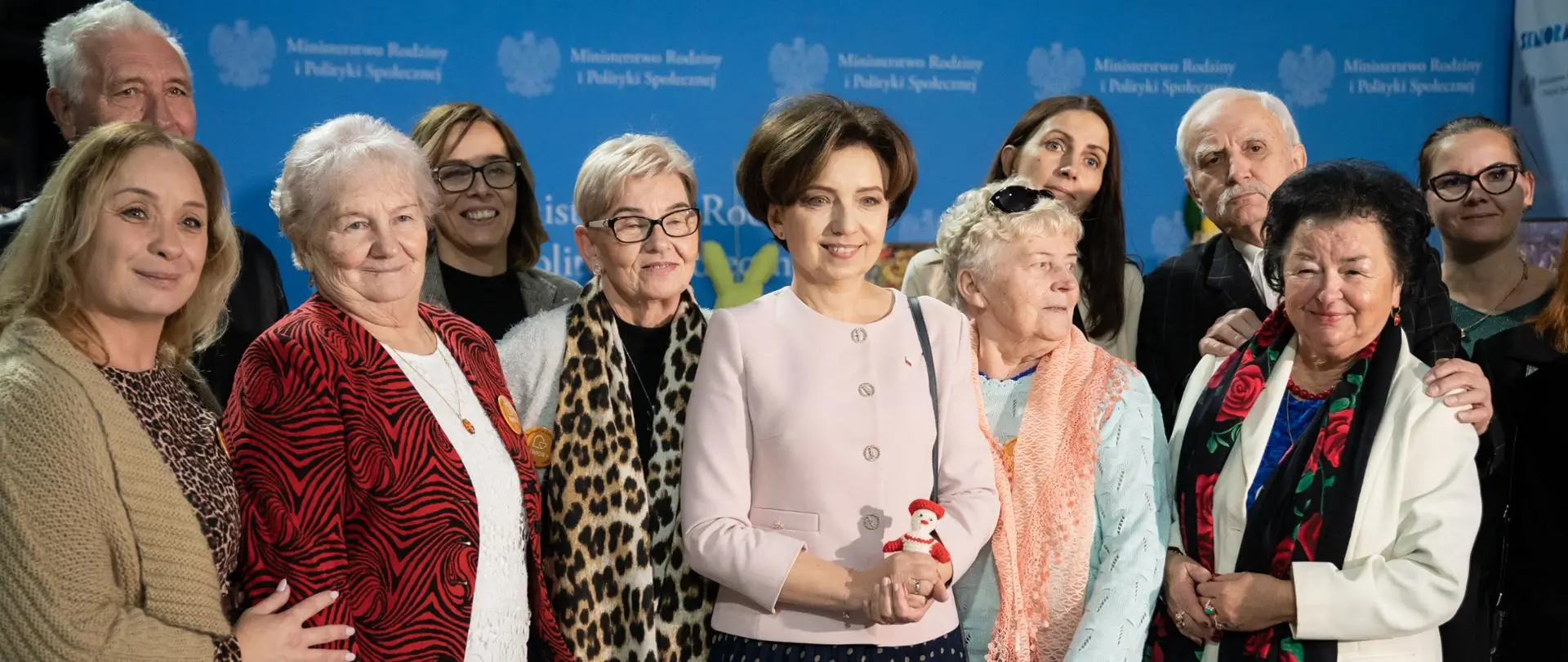
In every modern country, there are government institutions that play a decisive role in shaping the quality of life for ordinary citizens. In Poland, one of the most influential bodies is the Ministerstwo Pracy i Emerytur (Ministry of Labor and Pensions). Although its organizational structure has evolved over the years and its responsibilities have sometimes been merged or redistributed under different ministerial names, the concept remains the same: a central institution responsible for labor policies, employment protection, social welfare, and pension systems. For millions of Poles workers, families, and retirees, understanding how this ministry operates is essential for navigating benefits, retirement options, employment rights, and social protections.
The importance of knowing how labor and pension policies work cannot be overstated. These policies dictate not only how people work today but how they will live tomorrow. Whether someone is planning for retirement, looking for employment support, or trying to understand new government reforms, the Ministry’s decisions shape real-world outcomes. In a rapidly changing socio-economic environment, staying informed is a form of empowerment.
Overview of Ministry Responsibilities
The primary responsibility of the Ministerstwo Pracy i Emerytur is to regulate and oversee Poland’s labor market and pension system. This encompasses a broad range of areas, including employment rights, workplace standards, social assistance, retirement benefits, and coordination with ZUS (Zakład Ubezpieczeń Społecznych), which manages social insurance contributions and payments.
1. Labor Market Regulation
The Ministry is responsible for:
-
Ensuring fair employment practices
-
Monitoring labor market trends and unemployment levels
-
Supporting employment offices (urzędy pracy) across the country
-
Creating programs that help people return to work
-
Implementing regulations to protect vulnerable groups such as young workers, seniors, and individuals with disabilities
The ministry shapes policies that determine minimum wage, labor contracts, occupational health and safety laws, and employer obligations. These rules influence workers’ conditions and employers’ responsibilities in every sector.
2. Pension Administration
The Ministry’s pension-related duties include:
-
Designing retirement systems
-
Creating rules for early retirement and special pensions
-
Implementing reforms such as emerytury stażowe
-
Overseeing cooperation with ZUS for pension payments
Given that Poland’s population is aging, pension planning has become one of the most debated public issues, and the Ministry frequently introduces refinements to ensure long-term sustainability.
3. Recent Initiatives and Legislative Changes
In recent years, the Ministry has introduced or overseen several important reforms:
-
Adjustments to retirement age policies
-
New forms of financial support for low-income seniors
-
Development of emerytury stażowe, allowing retirement based on years worked rather than age
-
Labor market initiatives aimed at increasing employment among women and older citizens
-
Expansion of support for families with children
The Ministry also participates in EU-level consultations affecting labor mobility, worker protections, and benefit portability.
Current Issues and Topics in Labor and Pensions
Poland’s labor and pension landscape is constantly evolving, driven by demographic trends, economic changes, and political commitments. Several topics dominate current discussions.
1. Debates on Emerytury Stażowe
One of the most talked-about reforms is emerytury stażowe, a pension program based on the number of years someone has worked rather than their age. The idea is simple: people who have contributed to the system for many years should have the right to retire earlier, even if they have not reached the traditional retirement age.
Supporters argue that:
-
Long-term workers deserve earlier retirement
-
Physically demanding jobs often cannot be sustained until late adulthood
-
The reform would provide more flexibility and fairness
Critics point out concerns about:
-
Financial strain on the pension system
-
The need for strict eligibility guidelines
-
Ensuring long-term funding stability
Despite differing opinions, the debate remains active, and the Ministry continues to evaluate public expectations and system capacity.
2. Public Statements from Government Officials
Figures such as Agnieszka Dziemianowicz-Bąk, a key public voice on social policy matters, regularly address issues like pension adequacy, childcare support, labor protections, and equal access to employment. Such statements often guide media conversations and indicate future policy directions.
Recent consultations have focused on:
-
Strengthening workers’ rights
-
Improving benefits for seniors
-
Updating unemployment support programs
-
Expanding rights for caregivers and parents
The Ministry uses these discussions to refine strategies that protect workers while supporting long-term economic resilience.
How the Ministry Supports Workers and Retirees
A central mission of the Ministerstwo Pracy i Emerytur is to provide support systems that help citizens at different stages of life—whether they are actively working, transitioning between jobs, or preparing for retirement.
1. Benefits and Social Support
The Ministry oversees a range of assistance programs, such as:
-
Unemployment benefits and training programs
-
Social assistance for low-income households
-
Support for disabled individuals
-
Family benefits and parental support initiatives
-
Senior-focused financial aid
These programs aim to reduce inequality, provide safety nets, and ensure that essential social protections are accessible to all citizens.
2. Pension Schemes and Eligibility Criteria
Poland’s pension system includes several pathways:
-
Standard retirement based on age and contribution years
-
Emerytury stażowe (work-service-based retirement)
-
Bridging pensions for physically demanding professions
-
Disability pensions
-
Survivor benefits for families
Eligibility often depends on:
-
Years of contribution
-
Age
-
Employment type
-
Physical condition or job category
The Ministry works with ZUS to ensure clarity, transparency, and timely payment of benefits.
Impact of Ministry Policies on Polish Society
Policies introduced or overseen by the Ministry directly affect millions of people.
1. Impact on Workers
Changes to labor regulations influence:
-
Job security
-
Available worker protections
-
Access to training and requalification programs
-
Minimum wage and contract types
-
Work-life balance for parents
These factors determine whether employees feel safe, supported, and treated fairly in the labor market.
2. Impact on Retirees
Pension policies shape the quality of life for seniors by determining:
-
Monthly pension amounts
-
Eligibility for additional support
-
Healthcare and long-term care access
-
Financial stability in old age
Every policy shift has a direct effect on household budgets and early retirement planning.
3. Impact on Families
Family-oriented programs such as childcare subsidies, parental leave rules, and caregiver support influence:
-
Workforce participation
-
Gender equality in employment
-
Household economic security
The Ministry’s decisions can support family development, reduce poverty risk, and strengthen the overall social fabric.
Resources for Further Information
For those who want to stay updated, the following resources are valuable:
-
Official Ministry Website – Provides announcements, legal documents, and policy updates.
-
ZUS Website (Zakład Ubezpieczeń Społecznych) – Offers pension calculators, contribution details, and benefit applications.
-
Government News Portals – Publish statements from ministers, ongoing debates, and upcoming reforms.
-
Public Consultations – Opportunities for citizens to submit feedback on proposed changes.
-
Media Interviews – Statements from representatives like Agnieszka Dziemianowicz-Bąk offer insight into current priorities.
Staying informed helps individuals understand how changes may influence employment, pensions, or family benefits.
Conclusion
The Ministerstwo Pracy i Emerytur plays a critical role in shaping employment conditions, protecting workers, and ensuring that retirees receive fair and adequate support. By overseeing labor laws, pension systems, and social welfare programs, the Ministry influences daily life for millions of Polish citizens. As policies evolve—whether related to emerytury stażowe, workplace protections, or financial support programs—staying informed becomes essential.
Understanding how the Ministry functions empowers citizens to make better decisions about retirement planning, employment rights, and access to social benefits. In a world where economic and demographic changes are constant, awareness is not just helpful—it is necessary. The more informed the public becomes, the stronger the dialogue and the more responsive the system can be.