
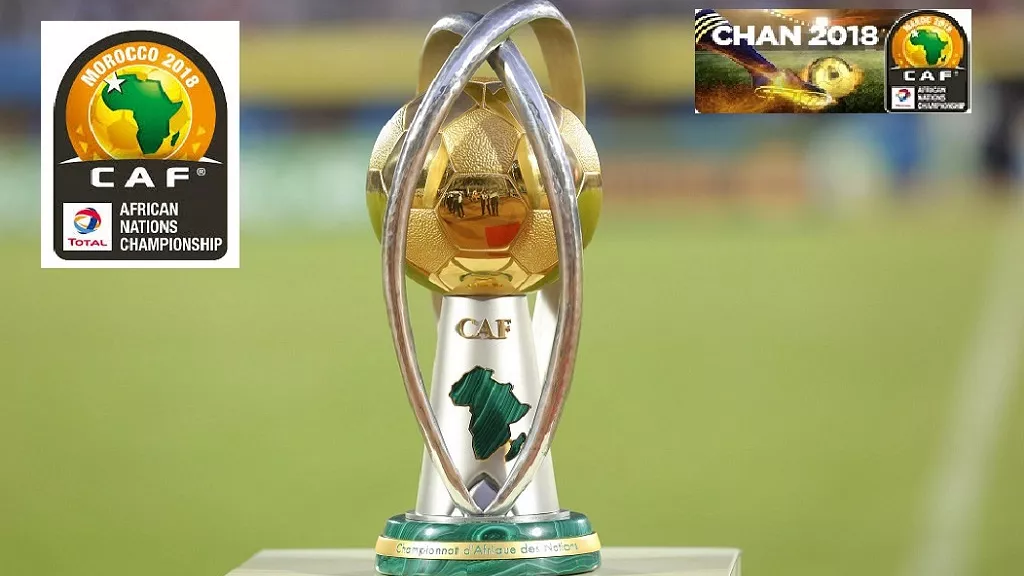
What Made CHAN 2018 Different
The 2018 African Nations Championship (CHAN) is not the Africa Cup of Nations, its twist is that only footballers active in their domestic leagues can play. That rule turns the tournament into a showcase for home-grown talent and coaching depth, rather than a test of Europe-based superstars. The 2018 edition was the fifth CHAN, branded for sponsorship as the “Total 2018 African Nations Championship,” and it delivered storylines in abundance: a late host switch, sparkling new heroes, and a champion that won with style and swagger.
From Kenya to Morocco: A Late Host Switch (and a Big Opportunity)
Originally, 2018 African Nations Championship was awarded to Kenya. But slow preparation progress forced the Confederation of African Football (CAF) to change plans in late 2017, opening the door for Morocco to step in. That change proved pivotal: Morocco not only organized the event at short notice but also leveraged home crowds and strong infrastructure to produce a tournament that felt polished and energetic across four cities Casablanca, Marrakech, Tangier, and Agadir. Matches were staged at Stade Mohammed V (Casablanca), Stade de Marrakech, Ibn Batouta Stadium (Tangier), and Stade Adrar (Agadir), each with capacities in the mid-40,000s.
Who Qualified and Why CHAN Matters
Qualification ran throughout 2017, filtering a CAF-wide field into sixteen finalists. The eligibility rule domestic league players only shaped rosters and strategies in distinct ways. Notably, the 2016 finalists DR Congo and Mali missed out entirely after qualifying losses, underlining how unforgiving the pathway can be.
For Morocco, a North Zone qualifier that later became host, the reshuffle even had a downstream effect on zonal allocations. But the broader point stood: CHAN is where federations stress-test their local pipelines, coaching philosophies, and competitive DNA.
Group Stage Storylines: The Hosts Signal Their Intent
From the opening night on 13 January, Morocco made their ambitions obvious with power, pace, and composure in front of packed stands. Across 32 matches, the tournament produced 58 goals (1.81 per match), but it was the hosts’ clinical edge that set the tone. Nigeria navigated their group with discipline, while Sudan showed admirable resilience and Libya, champions in 2014, again proved tricky in tournament play. The group stage served up the usual mix: compact defences, set-piece guile, and a steady drip of breakout performers staking claims for bigger stages.
Knockout Path: Extra-Time Drama and a Statement Final
The semi-finals underlined the margins at this level. Morocco beat Libya 3–1 after extra time in a tense, physical contest that needed late clarity; on the other side, Nigeria edged past Sudan to book a blockbuster final. Then came 4 February in Casablanca, and the hosts delivered one of the most emphatic championship performances in 2018 African Nations Championship history: Morocco 4–0 Nigeria.
With a roaring crowd at Stade Mohammed V, the Atlas Lions seized control and never let up. Zakaria Hadraf scored twice, Walid El Karti added another, and the irresistible Ayoub El Kaabi iced it—capping a tournament that Morocco dominated from front to back.
The Star of the Show: Ayoub El Kaabi’s Record-Setting Run
Every tournament needs a talisman, and the 2018 African Nations Championship found one in Ayoub El Kaabi. The RS Berkane forward was electric fast off the mark, ruthless in the box, and relentless in his movement. He scored a record nine goals at the finals, including in the championship match, and was named both Top Scorer and Best Player of the Tournament. It wasn’t simply the volume; it was the timing and variety of his finishes that turned Moroccan dominance into inevitability. El Kaabi’s CHAN explosion fast-tracked him from local standout to continental headline act.
Numbers, Venues, and the VAR Milestone
By the final whistle, Morocco had secured their first CHAN title and the first ever won by a host nation. Sudan finished third and Libya fourth, rounding out a North and East African-flavored final four. Beyond the medals, CHAN 2018 was notable for CAF’s early use of VAR during the knockout stages, a forward-looking step that hinted at the confederation’s appetite for modernizing officiating on big stages. The four-venue, four-city layout also helped distribute the spectacle and spotlight local fan cultures across Morocco’s football-mad regions.
Why It Mattered: Legacy and Long-Tail Impact
For Morocco, the triumph validated years of investment in domestic coaching, youth development, and club infrastructure (the Botola has quietly become one of Africa’s most competitive leagues). Winning CHAN with a home-based roster created a talent flywheel: players earned continental credibility, scouts paid attention, and the national program built depth that would pay dividends in future competitions.
For CAF, CHAN 2018 reaffirmed the tournament’s purpose: celebrate local leagues, surface new stars, and give national setups a laboratory for identity-building outside the senior AFCON cycle. The event also rebuffed skeptics—those who once dismissed CHAN as a “B-team” exercise—by offering high-quality tactical battles and a festival atmosphere that felt anything but second-tier.
Quick Facts Recap
-
Dates: 13 January – 4 February 2018
-
Host: Morocco (Casablanca, Marrakech, Tangier, Agadir)
-
Teams: 16
-
Matches/Goals: 32 matches, 58 goals
-
Champions: Morocco (first title; first champion on home soil)
-
Runners-up: Nigeria
-
Third/Fourth: Sudan / Libya
-
Awards: Ayoub El Kaabi—Top Scorer (9) and Best Player; Morocco—Fair Play Award
-
Notable First: VAR used by CAF from the knockout rounds
Related: Tracking the Rise and Ripples of Prudential Share Price
Conclusion
2018 African Nations Championship was a near-perfect advertisement for the tournament’s mission. Morocco’s blend of structure and swagger turned a late hosting assignment into a national celebration, while El Kaabi became the face of a competition designed to unearth exactly this kind of talent. In a football world obsessed with exports, the 2018 African Nations Championship proved that staying home—at least for one month—can produce world-class spectacle, too.