
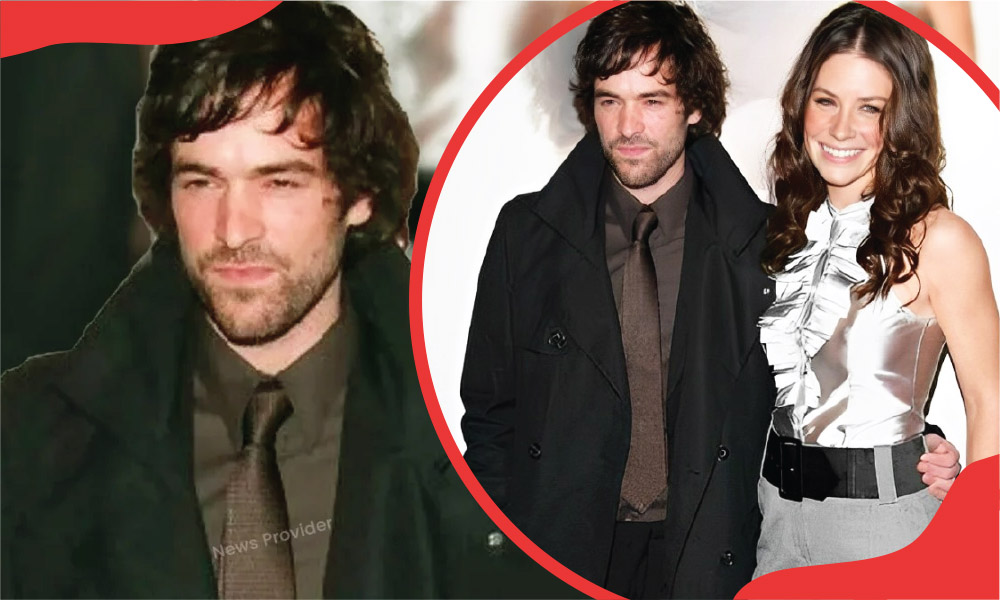
In an era where a moment in the spotlight can define a lifetime, Murray Hone stands apart as a figure shrouded in quiet dignity and private resilience. For many, his name triggers curiosity because of a brief brush with Hollywood headlines — a connection to actress Evangeline Lilly — but his story goes far beyond that fleeting public spotlight. Rather than chasing fame or headlines, Hone’s life hints at the powerful choice to step back from the glare and build an identity rooted in authenticity and simplicity.
The Early Life and Foundations of a Canadian Man
Though specific details about his early years are scarce, what we do know is that Murray Hone was born in Canada — a country where ice hockey is more than a sport but a cultural heartbeat. Growing up in this environment, it’s no surprise that Hone gravitated toward the ice, using athletic discipline to shape his early adult life. Canadian hockey isn’t easy; it’s unforgiving, competitive, and grounded in physical endurance and mental fortitude. These qualities — resilience, persistence, and strength — became part of Hone’s character long before anyone ever searched his name.
Like many Canadians raised with skates laced up long before adulthood, I remember my own teenage winters chasing pucks on outdoor rinks, trying to emulate the pros with little more than grit and determination.
Hone’s early hockey career included playing for local teams such as the Langley Spitfires, reflecting his commitment to the sport even if he never reached the heights of the NHL. This engagement with hockey underscores a broader lesson: success doesn’t always demand global fame, but often personal triumph and fulfillment in one’s chosen field.
A Brief Glimpse into the Public Eye
Murray Hone’s name became a subject of public interest primarily because of his relationship with Evangeline Lilly — a Canadian actress who rose to international prominence with roles in Lost and the Ant-Man franchise. The two married in 2003, before Lilly’s career skyrocketed. Their relationship was private, with few public appearances, and ended peacefully in divorce in 2004.
The dynamic between Hone’s quiet life and Lilly’s rising fame illustrates a compelling social pattern: sometimes, celebrity proximity casts a shadow that overshadows the individual’s own story. Unlike many celebrity spouses who leverage visibility, Hone did not pursue public recognition. Instead, he chose privacy — a decision that intrigues as much as it confuses many fans today.
What Murray Hone Did Next
After his separation from Lilly, Murray Hone largely disappeared from the media landscape. No verified public interviews, projects, or social media accounts are attributed to him. That choice speaks volumes in a world where personal branding often rivals professional substance. There are unconfirmed reports suggesting Hone may have remarried and possibly started a family, but details remain limited.
Some speculate he ventured into business or returned to community roles connected to sport — possibly coaching or mentoring young hockey prospects. Others believe he simply enjoys daily life away from cameras and speculation. Regardless of the specifics, one thing is certain: Murray Hone’s post-spotlight life reflects a deliberate prioritization of privacy over public commentary.
How Public Perception Compares
In the realm of celebrity associations, public impression often outpaces fact. Here’s a brief comparison of how Murray Hone’s life contrasts with typical celebrity spouses:
| Aspect | Murray Hone | Common Celebrity Spouse Narrative |
|---|---|---|
| Public Exposure | Very low | High media presence |
| Personal Branding | Minimal | Often professionally promoted |
| Media Interviews | None | Frequently leveraged |
| Post-Marriage Public Life | Private, unknown | Often public or commercial |
| Focus | Personal stability | Career visibility |
This comparison highlights a key truth: fame is not a universal goal, nor is it a reliable measure of significance.
The Human Element: A Path Less Traveled
Unlike many who feel pressure to capitalize on a famous connection, Murray Hone’s life suggests that fulfillment need not be viral or public. Choosing privacy doesn’t equate to invisibility; rather, it can be a radical affirmation of values. In a culture obsessed with celebrity — measured by follows, likes, and public appearances — Hone’s path challenges assumptions about success.
A real-world scenario echoes this beautifully. Consider a young professional I know who once worked in a high-pressure corporate role. After years of promotions and performance reviews, she chose to leave and start a small community coaching program. Her income dropped but her self-satisfaction and mental well-being soared. Like Hone’s choice of private life over public hype, this young woman’s decision reflects a growing trend: turning inward to find stability rather than looking outward for validation.
This scenario isn’t rare. Increasingly, individuals reassess public achievement versus personal fulfillment — a theme clearly reflected in how Murray Hone lived his life after the spotlight dimmed.
The Legacy of Quiet Strength
Today, the narrative around Murray Hone isn’t defined by tabloid headlines or red carpet photos but by the mystery and humanity that surrounds him. His story invites curiosity precisely because he chose not to conform to celebrity expectations. Instead of seeking interviews or public commentary, Hone’s legacy remains tied to discretion — a choice that, ironically, has made him memorable.
There is no universally accepted figure for his personal net worth or current position, and that lack of data underscores the very point of his approach: not all lives need to be documented for validation.
Related: Myrna Colley Lee: Quiet Strength Behind a Well-Known Legacy
Conclusion
Murray Hone’s life is a lesson in subtlety, resilience, and intentional living. Best known as the former husband of Evangeline Lilly, his personal narrative stretches far beyond that single connection. From a Canadian hockey enthusiast to someone who chose a life outside the media’s grasp, Hone demonstrates that quiet dignity can rival spectacle and personal choice can matter more than public image.
In a world enamored with celebrity, Hone’s story remains a refreshing example of how personal values — privacy, integrity, and quiet confidence — can be enduring and impactful.
Frequently Asked Questions
Who is Murray Hone?
Murray Hone is a Canadian — widely recognized as the former husband of actress Evangeline Lilly, with past involvement in ice hockey and a private lifestyle after leaving the public eye.
Was Murray Hone a hockey player?
Yes, he played hockey in local leagues, including teams such as the Langley Spitfires, though he never rose to major professional fame.
When did Murray Hone and Evangeline Lilly marry?
They married in 2003 and divorced in 2004, prior to Lilly’s breakout role in mainstream acting.
Does Murray Hone have children?
There is no verified public information confirming children, though some unverified accounts suggest possible family life post-divorce.
Is Murray Hone active on social media?
No official social media or public profiles are confirmed, consistent with his preference for privacy.