
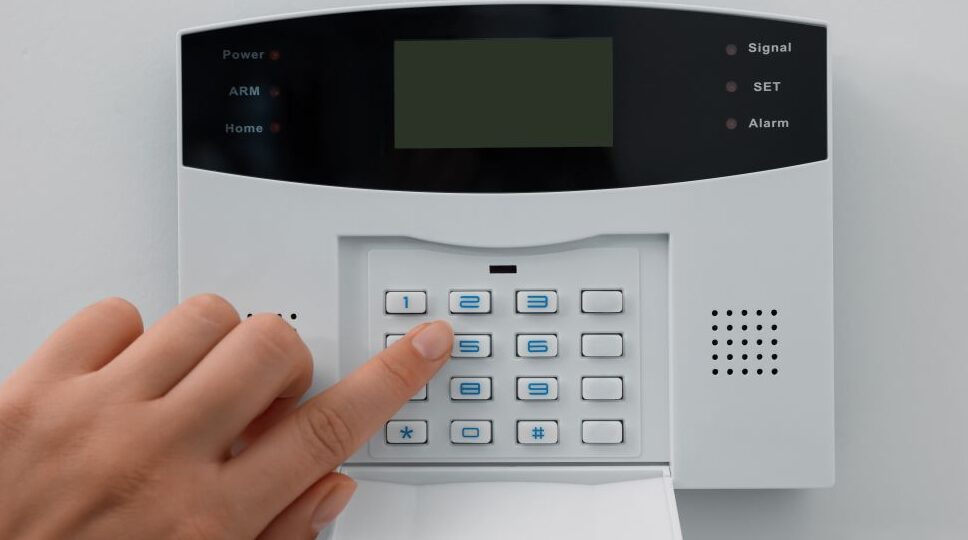
If you’ve run into the phrase “NUD alarm” on an insurance form, a home-security forum, or even in a networking playbook, you’re not alone. This three-letter acronym carries two common meanings. In the UK home-insurance world, a NUD alarm typically refers to an audible-only burglar alarm approved or endorsed by Norwich Union Direct (NUD), the historic brand behind Aviva’s direct insurance channel.
In networking, NUD stands for Neighbour Unreachability Detection, a mechanism in IPv6 that can trigger alarms when a device becomes unreachable. This guide unpacks both so you can tick the right box (or clear the right fault) with confidence.
1) The Home-Security Meaning: A Norwich Union Direct–Approved Audible Alarm
In UK insurance jargon, a NUD alarm generally means a burglar alarm endorsed by Norwich Union Direct and, crucially, audible-only: when triggered, it sounds a local siren to deter intruders and alert neighbors, but it does not automatically notify a monitoring center or the police. That’s the core idea behind many “NUD alarm” references on insurance forms and comparison guides.
What does that imply in practice? Unlike monitored systems, where an event is relayed to a control room that can call you or escalate—bells-only NUD-style alarms rely on noise to scare off intruders and human response from anyone who hears it. Authoritative UK sources describe audible-only systems exactly this way: the bell rings locally; there may be supplementary notifications (e.g., texts to the owner), but no automatic police dispatch is baked in.
2) NUD vs. Monitored Alarms: What’s the Real Difference?
Monitored alarms connect to a security provider’s control center. When the alarm trips, a professional operator verifies the event and may contact keyholders or the police, depending on the plan and confirmation protocols. NUD-type audible systems simply make noise often very loudly and for a limited duration.
The distinction matters because insurers rate risk differently depending on whether your property has automatic escalation or audible-only deterrence. Guides that discuss the spectrum (bells-only, monitored, smart, wireless) consistently emphasize this monitored-vs-audible split.
Pros of audible-only (NUD) alarms
-
Lower cost to install and maintain
-
No monthly monitoring fees
-
Still deters opportunistic intruders
Cons
-
No guaranteed third-party response if you’re away or can’t hear it
-
Possible nuisance/false alarm fatigue for neighbors
-
May offer less premium reduction than a certified, monitored system (insurer-dependent)
3) Why Insurers Ask “Do You Have a NUD Alarm?”
On proposal forms, you might see checkboxes like NUD monitored vs NACOSS/SSAIB certified, or “bells-only” vs “monitored.” The point is to gauge security posture and apply appropriate underwriting. Some insurers historically referenced NUD approval (or organizations like NACOSS/SSAIB) as a shorthand for system credibility and installation standards. If your setup is bells-only, expect the form to reflect that, and don’t overstate monitoring—misdeclaring alarm type can affect claims.
If you’re unsure which box to tick, check your installer paperwork and your contract: bells-only (audible) vs monitored will usually be spelled out, and reputable guides stress the difference.
4) Practical Tips: Getting the Most from a NUD-Style Audible Alarm
-
Maintain the system: Replace batteries, test sensors, and confirm siren output regularly; an audible-only alarm must actually be heard to deter. Reputable security resources stress maintenance schedules for reliability.
-
Pair with smart alerts: Even if your system is bells-only, many modern kits can push notifications to your phone so you’re not reliant on neighbors. (This is supplemental; it doesn’t convert it into monitored service.)
-
Layer your security: Good doors and locks, motion lights, and visible signage multiply deterrence—insurers and comparison guides routinely recommend a layered approach.
-
Ask your insurer: If you’re installing a new system, ask whether certified monitored options (e.g., via recognized bodies) yield better premium outcomes than audible-only. Some guides highlight that certifications and monitoring can influence pricing.
5) The Networking Meaning: NUD Alarms in IPv6 (Neighbor Unreachability Detection)
Outside insurance, NUD is a bedrock concept in IPv6 networking: Neighbor Unreachability Detection. Devices keep a neighbor table and move entries through states such as Incomplete, Reachable, Stale, Delay, and Probe. If a neighbor stops responding to Neighbor Solicitation/Advertisement traffic, the stack marks it unreachable—and on enterprise gear, that state change can surface as a fault or “NUD alarm.”
Why do network teams care? Because a NUD alarm often points to asymmetric routing, misconfigured timers, link flaps, or plain device failure. Vendor docs and training materials note these as typical root causes and explain how the NDP/NUD state machine helps keep forwarding paths healthy. In short, when NUD shouts, reachability is in doubt.
At a protocol level, the IETF designed NUD to improve robustness compared to IPv4’s ARP behavior, and you’ll find it documented in NDP references and extended discussions about default timers and operational best practices.
6) Troubleshooting a Networking NUD Alarm (Quick Checklist)
-
Ping and trace the neighbor from the impacted interface to verify basic reachability.
-
Inspect neighbor states (Reachable → Stale → Probe) and timer values; too-aggressive timers can cause premature “unreachable” flips.
-
Check L2/L3 symmetry: Asymmetric routing or L2 domain issues (e.g., VLAN misconfig) can break return traffic and trip NUD.
-
Review recent changes: Interface hot-swap, hardware faults, or path changes are classic culprits in vendor guides.
7) Which “NUD Alarm” Do You Have?
-
Filling an insurance form in the UK? You almost certainly need the home-security meaning: a Norwich Union Direct–approved, audible-only burglar alarm. If your alarm does not send signals to a monitoring center, it’s bells-only—that’s the typical NUD context on consumer paperwork.
-
Reading a router log or a switch dashboard? You’re in the IPv6 realm. A NUD alarm means a device has marked a neighbor unreachable and needs attention to restore reachability.
FAQ
Is a NUD home alarm the same as a monitored alarm?
No. A NUD-style alarm is typically audible-only; monitored alarms notify a control room for potential escalation.
Will a NUD (bells-only) alarm lower my insurance premium?
It can still help, but monitored and certified systems often carry stronger underwriting benefits—ask your insurer.
What triggers a networking NUD alarm?
Loss of reachability in IPv6 Neighbor Discovery—think no replies to Neighbor Solicitations, asymmetric routes, or faulty links.
Conclsuion
NUD alarm means two different things in two different worlds. For home insurance, it’s shorthand for an audible-only, Norwich Union Direct–approved burglar alarm; for network engineers, it’s Neighbor Unreachability Detection shouting that a path or neighbor has gone dark. Know which context you’re in, and you’ll know which box to tick—or which cable to trace.