
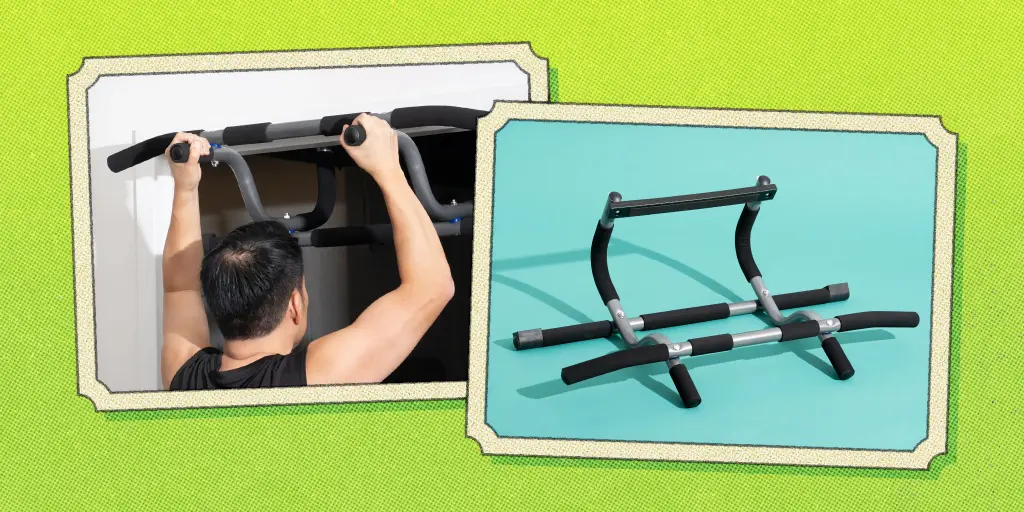
If there’s one simple piece of equipment that can completely change your upper-body strength, it’s the pull-up bar. It’s compact, affordable, and brutally honest—either you can pull your body up, or you can’t…yet. Whether you’re setting up a home gym, training for calisthenics, or just trying to build a stronger back, understanding the pull-up bar in detail will help you get better results and avoid injury.
Below is a complete, human-style guide to pull-up bars: types, benefits, installation tips, muscles worked, and how to choose the right one for your space and goals.
What Exactly Is a Pull Up Bar?
A pull up bar is a horizontal bar designed to support your body weight so you can perform pulling exercises—mainly pull-ups and chin-ups. Sounds simple, but it’s one of the most effective tools for developing:
-
Back muscles (especially the lats)
-
Biceps and forearms
-
Grip strength
-
Core stability
Unlike machines that guide your movement, a pull-up bar forces you to use multiple muscles at once. You’re not just lifting weight; you’re controlling your entire body in space. That’s why pull-ups are often considered a benchmark of real functional strength.
You can mount a pull-up bar in a doorway, on a wall, on the ceiling, or use a free-standing station. The right choice depends on your space, bodyweight, and how serious you are about training.
Types of Pull-Up Bars (And Which One Might Suit You)
Not all pull-up bars are created equal. The “best” one depends on your living situation, budget, and training style. Here are the most common types:
1. Doorway Pull-Up Bars
These are the most popular for beginners and small apartments.
-
Pros: Affordable, easy to install, portable, no drilling in many models.
-
Cons: Limited grip width, depends on doorway strength, may scuff door frames.
Doorway bars either hook onto the frame using leverage or extend outwards using tension. They’re great if you’re renting or don’t have a dedicated gym area.
2. Wall-Mounted Pull-Up Bars
These bolt directly into a solid wall.
-
Pros: Very stable, can support heavy weights, more grip options and width.
-
Cons: Requires drilling, needs strong wall (brick/concrete/strong studs), more permanent.
If you’re serious about long-term training and have a suitable wall, this option offers performance close to what you’d find in a gym.
3. Ceiling-Mounted Pull-Up Bars
These attach to the ceiling joists.
-
Pros: Excellent stability, plenty of room to move your legs, perfect for kipping, toes-to-bar, and advanced calisthenics.
-
Cons: Needs strong ceiling and proper installation; not ideal for very low ceilings.
These are ideal if you don’t want the bar sticking out from the wall and you want full freedom of movement.
4. Free-Standing Pull-Up Stations / Power Towers
These are stand-alone frames with a pull-up bar at the top and sometimes dip handles or push-up grips.
-
Pros: No drilling, very stable if well-built, multi-function.
-
Cons: Takes up floor space, usually more expensive, not easy to move around.
Perfect for a home gym corner where you want a dedicated calisthenics station.
Muscles Worked: Why Pull-Up Bars Are So Effective
A pull-up bar is essentially a full upper-body training tool. Depending on your grip, you can emphasize different muscles.
-
Overhand grip (pull-up): Focuses on the latissimus dorsi, upper back, and rear shoulders.
-
Underhand grip (chin-up): Shifts some emphasis to the biceps, still heavily working the back.
-
Neutral grip (palms facing each other): Easier on the wrists and elbows, balanced work on biceps and back.
-
Wide grip: Targets outer lats more, making your back look wider.
-
Close grip: Adds more involvement from biceps and inner back muscles.
But that’s not all. Every time you pull yourself up, your core is working to stop your legs from swinging. Your forearms and grip are under constant tension. Even your chest and shoulders contribute to stabilizing your body.
This combination is why people get such noticeable results from a simple pull-up routine—strength, muscle definition, posture improvement, and better performance in other lifts.
How to Use a Pull-Up Bar Safely and Effectively
Jumping straight into max-effort pull-ups is a good way to annoy your joints and kill your motivation. Instead, build up intelligently.
1. Check Stability First
Before hanging your full weight:
-
Tighten all screws and bolts.
-
Test with a partial hang first.
-
If it’s a doorway bar, make sure it’s properly hooked or tensioned and the frame is solid (no cracking wood, no loose trim).
If anything moves, creaks suspiciously, or feels unstable, fix it before training.
2. Warm Up Properly
Your shoulders and elbows need love:
-
Do a few minutes of arm circles, band pull-aparts, light rows, or push-ups.
-
Stretch your lats and chest lightly before heavy sets.
This reduces the risk of strains, especially if you’re working out after a long day of sitting.
3. Start With Progressions
If you can’t do a full pull-up yet, that’s completely normal.
Try:
-
Dead hangs: Just hang from the bar for time to build grip and shoulder stability.
-
Scapular pull-ups: Hang from the bar and only move your shoulder blades (down and together).
-
Assisted pull-ups with a resistance band: Loop it around the bar and under your feet or knees.
-
Negative reps: Jump or step up to the top position, then slowly lower yourself down over 3–5 seconds.
These methods build strength until you can perform your first full, clean pull-up.
4. Form Over Ego
Aim for controlled reps:
-
Full extension at the bottom (without relaxing completely and hanging on your joints).
-
No crazy swinging or “kipping” unless you’re specifically training that style and know what you’re doing.
-
Chin clearly over the bar at the top.
Quality beats quantity. Ten sloppy reps do less for your progress than five solid, controlled ones.
Choosing the Right Pull-Up Bar: What to Look For
When buying a pull-up bar, don’t just grab the cheapest one and hope for the best. Consider these factors:
-
Weight Capacity
Always choose a bar rated well above your bodyweight. If you weigh 80 kg, don’t buy a bar rated exactly at 80 kg—give yourself a safety buffer for dynamic movements, weighted pull-ups, or future gains.
-
Mounting Surface
-
Renting? A doorway bar that doesn’t require drilling is usually safer from a landlord perspective.
-
Own your home and have solid walls? A wall or ceiling-mounted bar will feel much more secure.
-
Grip Options
Many bars now come with multiple handles:
-
Neutral, wide, close, and angled grips.
-
Foam or knurled handles for better grip.
More grip variations mean more exercise variety and better long-term progress.
-
Space and Ceiling Height
Free-standing stations and power towers need floor space and enough height for you to hang without hitting your feet on the floor or your head on the ceiling. Measure before buying, not after.
-
Build Quality
Check:
-
Steel thickness and weld quality
-
Reviews mentioning stability and squeaks
-
Whether the bar flexes under load
A solid bar should feel like part of the house, not like it’s thinking about leaving the wall.
Making the Most of Your Pull Up Bar: Beyond Just Pull-Ups
Once you have a pull-up bar, you’ve got more than just one exercise.
You can also do:
-
Hanging knee raises or leg raises for abs.
-
Hanging L-sits to build serious core strength.
-
Towel pull-ups to supercharge grip training (just loop two towels over the bar and hold them).
-
Isometric holds at different points of the pull-up to build strength where you’re weakest.
Combine pull-up bar work with push-ups, dips, and squats, and you’ve basically built a full upper-body and core workout with almost no equipment.
Related: Luck on Your Wrist: A Complete Guide to the Van Cleef Bracelet
Conclusion
A pull up bar might look basic, but it’s one of the most powerful tools you can add to your home. It takes minimal space, forces your body to get stronger in a functional way, and offers endless variations once you’ve mastered the basics.
Whether you’re a complete beginner trying to get that first pull-up, or an advanced lifter adding weighted sets and muscle-ups, the pull-up bar grows with you. Install it safely, respect your body’s limits, train consistently, and this one simple bar can deliver some of the biggest strength and physique changes you’ll ever see.