
Hornsea’s sweeping sands on the Yorkshire coast are gorgeous right up until the sea decides to reclaim them. Knowing the tide times for Hornsea isn’t just a nerdy detail for anglers; it’s the difference between a perfect day and a panicky scramble back to the promenade.
This guide breaks down everything you need to plan confidently around the tides: where to find reliable times, how to read a tide table like a pro, what changing seasons do to the sea here on the fast-eroding Holderness Coast, and the exact moments different beach-goers should aim for. No fluff just practical, local-savvy advice.
Why Tide Times Matter So Much at Hornsea
Hornsea sits on the Holderness Coast, one of the fastest-eroding shorelines in Europe. That means the beach profile changes more than you might expect: sandbars shift, access points alter, and the line between “plenty of sand” and “uh-oh, water’s here” can move quickly.
Tides amplify that change. Arrive at low tide and you’ll find wide sands ideal for long walks and shell hunting; arrive at a spring high and you might be hugging the seawall. If you’re rock-pooling, fishing the groynes, flying a drone, walking the dog, or photographing sunrise reflections, tide timing is your master key.
Bottom line: set your day by the tides first, then layer on weather, wind, and activities.
Where to Get Accurate Tide Times (and How to Cross-Check)
You don’t need a dozen apps; you need one reliable source and a habit of double-checking. Look for coverage specifically labeled Hornsea (not Bridlington or Withernsea unless you know how to adjust times).
-
Harbour/Maritime Sources: UKHO-derived tide predictions are the gold standard. Many reputable sites and apps license from there.
-
Local-Aware Apps/Sites: Choose a provider that lists Hornsea specifically, shows high and low tide times with heights, and includes springs vs neaps info.
-
Weather + Tide Combo: If your primary interest is surfing, SUP, or drone footage, a combo app that overlays wind direction and swell on tide times is extra useful.
-
Red flags: Sites that only show a single high/low per day, hide the time zone, or don’t specify the datum (chart datum) are less reliable.
Pro tip: Check the tide times again the night before and once more the morning you go. It’s 10 seconds that might save your plan.
How to Read a Tide Table (Without Getting Lost in Numbers)
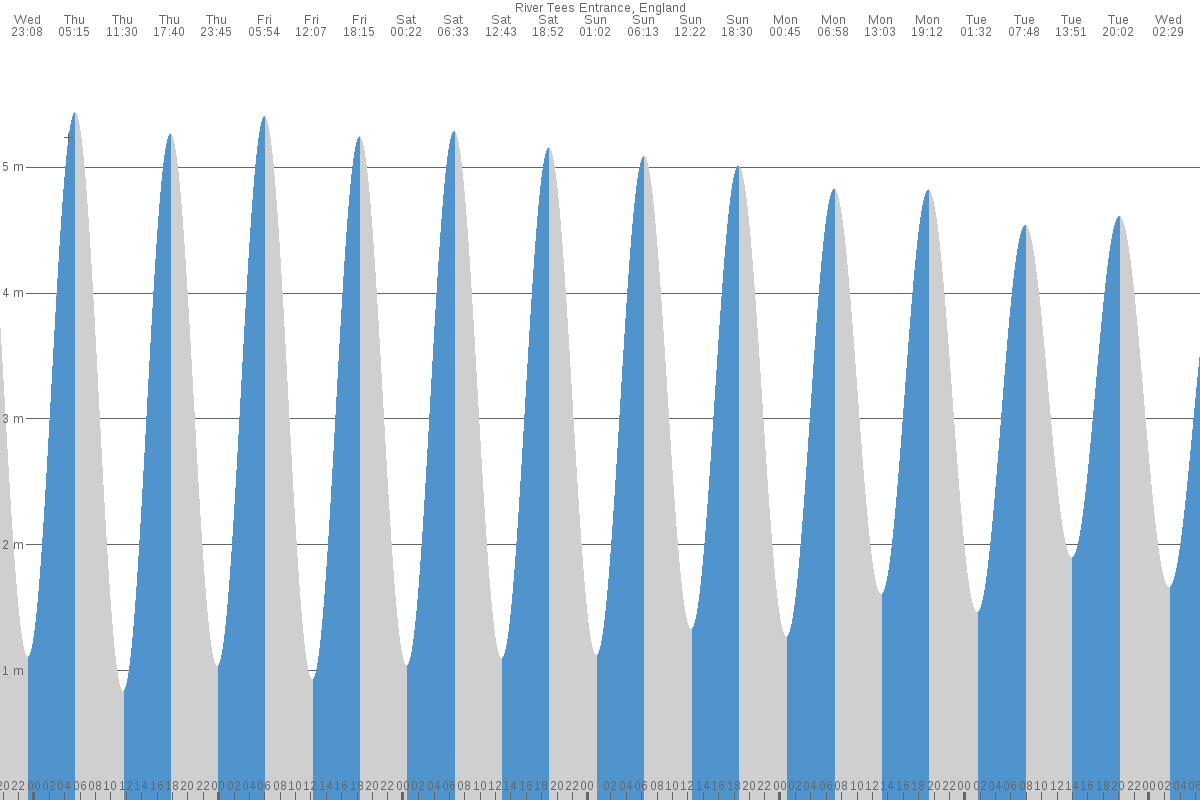
A standard tide table for Hornsea will list two highs and two lows most days. Each entry usually includes:
-
Time – e.g., 05:58 (high), 12:14 (low).
-
Height – the water level relative to chart datum (e.g., 5.5 m).
-
Spring/Neap context – bigger ranges around spring tides (near full and new moon), smaller around neaps (first and last quarter).
Here’s how to translate that into beach logic:
-
Big range (springs) = the sea retreats farther and returns faster. Expect more exposed beach at low, but quicker cut-off risks near headlands and groynes.
-
Small range (neaps) = less dramatic change; often friendlier for casual paddles and slower-moving water.
-
“Best sand time” for families: about 2 hours before to 2 hours after low gives space to play while the water is still within easy reach.
-
Dawn/sunset shooters: Aim for mid-to-late ebb (falling tide) for mirror-like wet sand, or early flood for wave lace patterns.
Rule of Twelfths (quick estimating): In a 6-hour flood or ebb, the rough rise/fall goes 1/12, 2/12, 3/12, 3/12, 2/12, 1/12. Translation: the middle hours see the fastest water movement—handy when judging how quickly your “dry path” will disappear.
The Best Tide Windows by Activity at Hornsea
Different goals, different ideal times. Use these quick matches to pick your slot:
-
Beach Walks & Shell Hunting:
Sweet spot: Around low tide, especially on spring lows for maximum beach. Watch your turnaround time; plan to be back near steps/ramps at least an hour before the subsequent high. -
Sea Angling from the Groynes:
Many anglers favor the last 2 hours of the flood to high, and the first hour after high—but local micro-spots differ. On springs, the moving water can turn fish on; on neaps, presentations can be subtler. -
Paddling, Family Splashing, and Calm Potters:
Neap tides are forgiving. Try mid-tide rising so water is coming back to you, not away, and avoid strong onshore winds that create chop and spray. -
Photography & Drones:
For glassy reflections, target the ebb approaching low. For dynamic wave action, rising tide with moderate onshore breeze adds texture (check local bylaws and fly only where allowed, maintaining distance from people and wildlife). -
Metal Detecting or Fossil Spotting Nearby (where permitted):
Lowest tides expose the broadest ground. Carry a watch: the sea can sneak back fast along shallow shelves.
Seasonal Patterns on the Holderness Coast: What Changes?
While tide times are governed by the moon and don’t follow seasons, your experience absolutely changes through the year at Hornsea:
-
Winter to Early Spring:
Bigger storms + powerful onshore winds push up surge heights and can make a high tide feel higher. Beach profiles can steepen; access may temporarily change. Plan conservatively. -
Late Spring to Summer:
Calmer conditions, longer days, and often smaller swell. Neap cycles during settled weather give easy family conditions. Still, UV and heat matter arrive early near low for space and shade along the seawall. -
Autumn:
Transitional winds and lively skies are excellent for photography. Keep an eye on low-pressure systems raising sea levels above predicted heights (the tide table won’t include weather-driven surges).
Safety First: The Hornsea Tide Checklist
-
Know today’s two highs and two lows (time + height).
-
Identify your exit points: steps, ramps, and the promenade. Don’t rely on a single set of stairs.
-
Turnaround time: if you’re walking out along the beach, aim to turn back no later than 90 minutes before the next high.
-
Watch the middle hours of the tide: that’s when water movement is fastest (Rule of Twelfths).
-
Treat groynes with respect: slippery, uneven, and can get cut off fast on the flood.
-
Wind + pressure check: strong onshore winds and low pressure can make highs higher and reach sooner than the table suggests.
-
Footwear and comms: sturdy shoes, a charged phone, and someone who knows your plan.
-
Dogs & kids: keep them landward of you as the tide turns—never between you and your exit.
Planning a Hornsea Day Around the Tide (Sample Game Plan)
Let’s say tomorrow’s low is at 11:20 and high at 17:40 with a medium range (between neap and spring):
-
09:30 – Park up, coffee, quick tide check. You’re arriving on the ebb with growing sand space.
-
10:00–12:00 – Prime time for walks, beach games, shell hunts; photographers get wet-sand mirrors.
-
12:00–14:00 – Slack to early flood; gentler water for paddling if winds are light. Anglers set for the coming push.
-
15:30–17:30 – Flood is moving; anglers expect action. Families start packing up to avoid losing beach space.
-
17:40 – High water; enjoy the promenade, fish & chips, and sea views from dry feet.
Adjust that skeleton to your actual times and range (spring vs neap), plus wind direction. On springs, compress the windows—things change faster.
Practical Tips: Parking, Facilities, and Local Etiquette
-
Promenade Access: Multiple steps and ramps—note two you’ll use. If one is busy or submerged sooner than expected, go to Plan B.
-
Busy Days: If the forecast is sunny and the morning low lands on a weekend, arrive early; by mid-flood, dry sand may shrink quickly.
-
Leave No Trace: The sea reclaims everything—pack out litter before the tide does.
Related: EE Roaming in India: Everything You Need to Know
FAQs
Q: Are Hornsea tide times the same as Bridlington’s?
Not always. Nearby ports are close but not identical. Use Hornsea-specific listings or apply the correct offsets (only if you know them).
Q: How far in advance can I trust a tide table?
Astronomical predictions are stable months ahead. The exact water level at the beach can vary on the day due to wind and pressure, so always perform a day-of check.
Q: What’s the safest “window” for families?
Generally two hours either side of low on a neap cycle, with light winds. On springs, shorten the window and keep a sharper eye on the waterline.
Q: How do winds affect high tide?
Strong onshore winds (from the east/northeast on this coast) can pile water in, making highs arrive sooner and sit higher than predicted. Offshore winds tend to have the opposite effect—but still check conditions.
Q: Can I get cut off by the tide at Hornsea?
Yes, especially near groynes, shallow bars, or if you’ve walked far along the shoreline during a spring ebb. Always keep sight of exits and the advancing water.
Conclusion
To “win” Hornsea, plan your day around the tide times first, then finesse with wind and weather. Use a reputable Hornsea listing, learn to glance at range and timing, and choose your activity window—low for beach space and family fun, rising for anglers and dynamic photos, neaps for easier conditions, springs for dramatic shifts (and extra caution). Do that, and Hornsea rewards you with exactly the kind of seaside day you hoped for beautiful, memorable, and safely managed by the clockwork rhythm of the sea.