
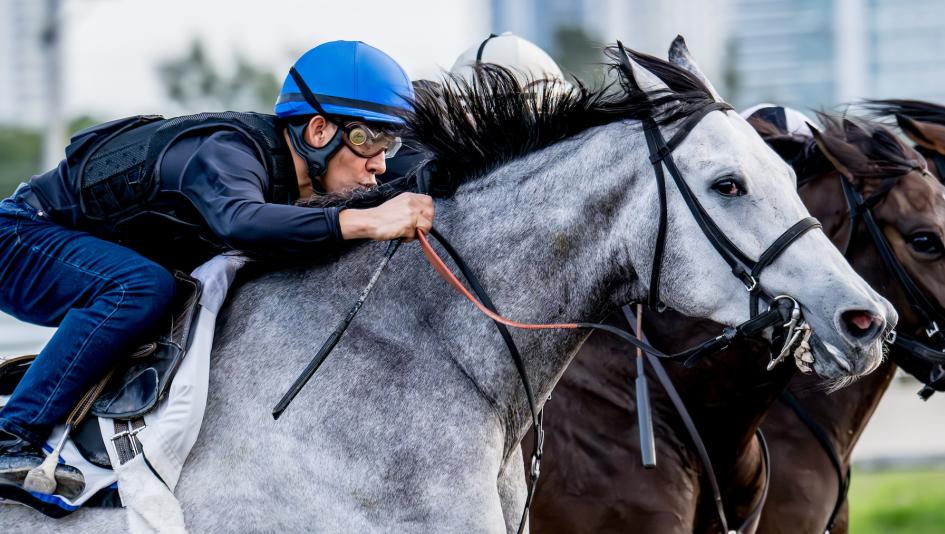
Horse racing is one of the world’s oldest and most exhilarating sports, but behind every lightning-fast sprint and photo-finish victory is a jockey whose equipment is designed with precision, tradition, and safety in mind. People often wonder: What do jockeys wear? At first glance, it may look like a colorful uniform, but each item right down to the goggles and boots plays a crucial role in performance and protection. This detailed guide breaks down everything jockeys wear, why they wear it, and how each piece contributes to the art of riding racehorses at top speed.
The Racing Silks: Lightweight, Colorful, and Meaningful
Racing silks are the most recognizable part of a jockey’s outfit. These bright, patterned tops are not chosen by the jockey but by the horse’s owner. Every owner has a unique set of colors and designs registered specifically for racing.
Why Racing Silks Matter
-
Identification: Silks help race officials, broadcasters, and fans spot horses instantly during a race.
-
Tradition: The use of silks dates back centuries and has become an essential part of racing culture.
-
Performance: Modern silks are made from ultra-light materials like satin or polyester blends designed to reduce wind resistance and weight.
The matching colors are also worn on the cap or helmet cover, keeping the look unified and easy to identify from a distance.
The Protective Helmet: Safety First at All Speeds
Racing can reach speeds over 35–45 miles per hour, so a jockey’s helmet is one of the most important pieces of safety gear. Every racing helmet must meet strict safety standards set by the racing authority.
Key Features of a Jockey Helmet
-
Impact Absorption: Protects the head during falls or collisions.
-
Lightweight Shell: Reduces strain on the neck and improves balance.
-
Ventilation: Ensures airflow to prevent overheating during long race days.
-
Secure Chin Strap: Keeps the helmet firmly in place even at high speeds.
Helmets are often paired with a helmet cover that matches the racing silks, completing the owner’s official colors.
Jockey Goggles: Clear Vision in Every Condition
Racing at high speed means wind, dirt, and debris constantly hit the jockey’s face. That’s why jockeys wear multiple layers of goggles during a race.
Why So Many Goggles?
-
As dirt and mud splash onto the goggles, jockeys simply pull off a layer to reveal a clean one underneath.
-
Weather conditions—rain, dust, or sunlight—can require different types of lenses.
-
They improve vision clarity, which is crucial for timing, steering, and safety.
Most jockeys wear 3 to 6 layers of goggles in just one race, peeling them away as visibility changes.
The Jockey Vest: Impact-Resistant Body Protection
Before any race begins, jockeys must wear a protective vest designed to withstand heavy impact. These vests became mandatory in many countries after the 1990s to reduce fatal injuries.
Features of the Protective Vest
-
Shock-Absorbing Foam: Helps protect ribs, spine, and internal organs.
-
Flexible Fit: Allows jockeys to move, crouch, and balance freely.
-
Lightweight Construction: Typically weighs less than 2 pounds.
-
Breathable Material: Prevents heat buildup on hot race days.
The vest fits tightly against the body and remains hidden beneath the racing silks.
Racing Pants and Breeches: Stretchy, Breathable, Ultra-Light
Jockey pants are not regular athletic pants. They are custom-designed for speed, comfort, and freedom of movement. Known as jockey breeches or racing pants, they are usually white and made of high-stretch synthetic fabrics.
Why These Pants Are Essential
-
Flexibility: Allows jockeys to crouch deeply—almost like squatting—throughout the entire race.
-
Breathability: Keeps the rider cool even during long events under the sun.
-
Ultra-Light Fabric: Minimizes extra weight, which matters for races where every gram counts.
-
Secure Fit: Elastic or Velcro calf closures help the pants stay tight and prevent fabric from catching on saddles or equipment.
The Riding Boots: Lightweight Power and Grip
Jockey boots may look stylish and shiny, but their design has a purpose. These lightweight leather boots offer balance, grip, and control.
Boot Features That Support Performance
-
Thin Soles: Help the jockey feel the stirrups better for precise weight shifts.
-
High Cut Design: Protects the ankles and provides stability.
-
Lightweight Materials: Racing boots usually weigh far less than traditional riding boots.
-
Firm Grip: Prevents slipping during intense race moments.
Some boots are even custom-made for the jockey’s foot shape to maximize comfort and control.
Riding Gloves: Grip, Control, and Hand Protection
Although not always highlighted, riding gloves play a huge role in controlling a horse that weighs over 1,000 pounds.
Benefits of Jockey Gloves
-
Non-Slip Grip: Helps jockeys maintain hold of the reins even when wet.
-
Protection: Prevents blisters, burns, and rope injuries from reins.
-
Comfort: Keeps hands dry by wicking away sweat.
-
Precision: Allows quick adjustments during tight racing moments.
The Whip (Crop): Controlled, Regulated, and Lightweight
Modern racing crops are designed with animal welfare in mind. Rules today ensure they are padded, lighter, and used in a humane way.
What Jockeys Use the Crop For
-
Encouraging the horse’s speed
-
Maintaining rhythm
-
Guiding the horse’s direction
-
Urging the horse forward safely
Crops are regulated in length, material, thickness, and how often they can be used in a race.
Lightweight Safety Vest and Undergarments
Many jockeys wear additional underlayers that wick away sweat and keep the body cool. These include:
-
Compression shirts
-
Breathable under-vests
-
Sweat-resistant base layers
These layers improve comfort, reduce friction, and help riders focus on balance and performance.
Related: How to Install FreeDoor 2.4.6.8 for Windows – A Step-by-Step Guide
Conclusion
When people ask, “What do jockeys wear?” they often imagine just colorful uniforms and helmets. But the truth is far deeper. A jockey’s outfit is a perfect combination of:
-
Tradition (racing silks and cap colors),
-
Safety (helmets, body vests, gloves),
-
Performance engineering (lightweight boots, stretch pants, aerodynamic materials), and
-
Practicality (multiple goggles, breathable layers).
Every piece works together to protect the rider, enhance performance, and increase the harmony between horse and human. Racing may last only a couple of minutes, but the preparation—and the gear—reflect a sport built on speed, precision, and respect for both athlete and animal.
FAQs
1. What do jockeys wear during a race?
Jockeys wear racing silks, a safety helmet, goggles, protective vest, riding breeches, lightweight boots, and gloves to ensure performance and safety.
2. Why do jockeys wear colorful silks?
Silks identify the horse’s owner and help spectators and officials quickly recognize horses during a race.
3. How many goggles do jockeys wear?
Most jockeys wear 3 to 6 layers of goggles so they can remove each layer as mud or dirt hits them during the race.
4. Are jockey helmets specially designed?
Yes. Jockey helmets meet strict safety standards, offering impact protection, ventilation, and a secure fit for high-speed racing.
5. What is the purpose of a jockey’s vest?
The protective vest absorbs shock and reduces injury risk to the chest, ribs, and spine during falls or collisions.