
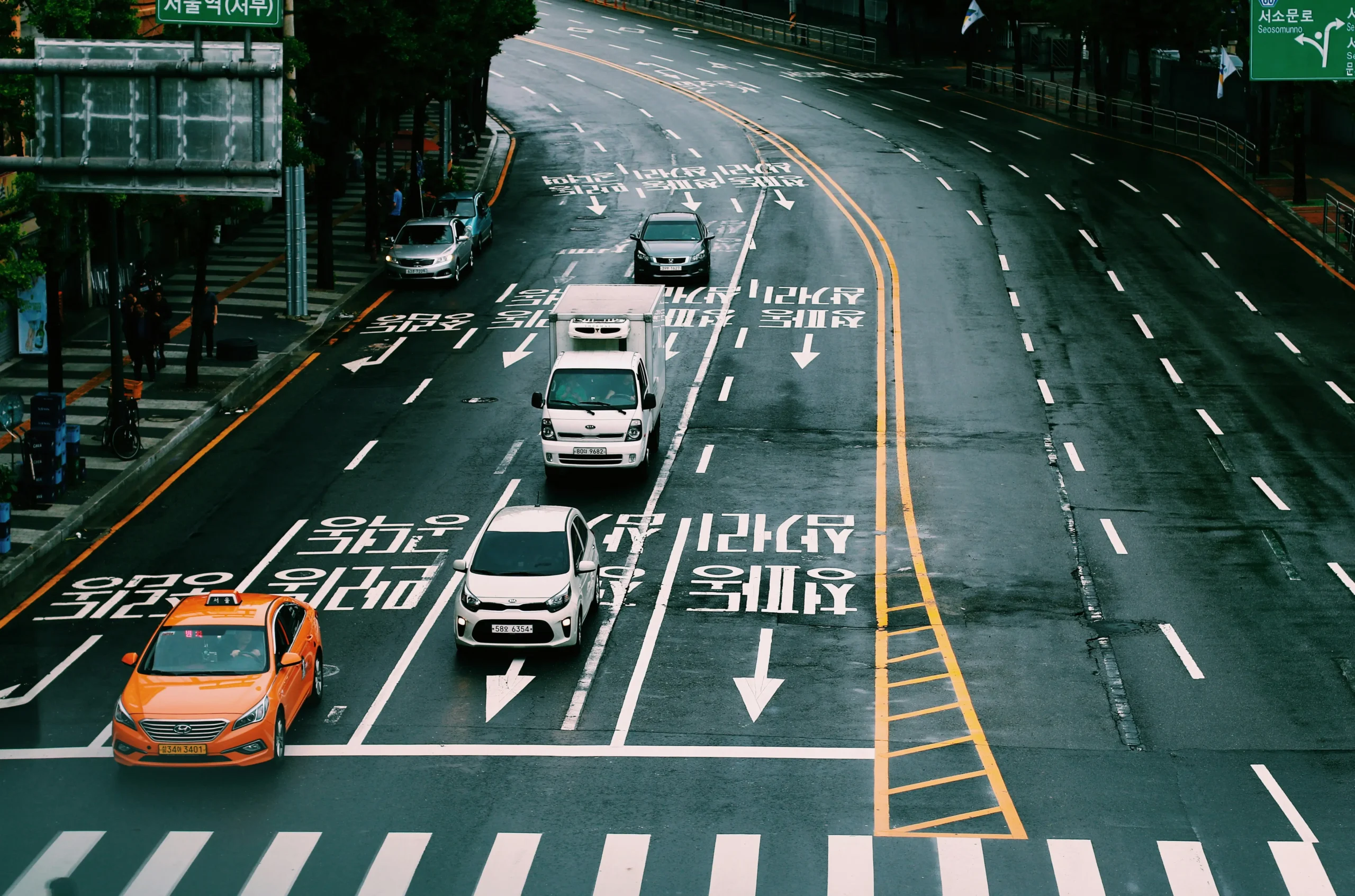
Most drivers learn early that overtaking is one of the riskiest moments on any journey, but one-way streets change the usual rules. Without oncoming traffic, an overtaking opportunity may appear safer—but only if done under the right conditions. On a one-way street, a driver can often pass either on the left or the right because every vehicle is moving in the same direction, yet this is never a blanket permission. Safe overtaking depends on lane markings, signs, visibility, vulnerable road users, and the behaviour of the vehicle ahead.
A quick clarification upfront: in a one-way system, you may overtake on the side that makes sense based on traffic flow and lane organization. If the right lane moves slowly and the left lane is clear, passing on the left can be acceptable. If the left lane is congested and the right lane is open, you can pass on the right. But mirrors, signalling, road signs, and awareness matter more than the direction you choose. Once, while driving in a busy urban area, I passed a slow-moving van on the left only to realise moments later there was a cyclist tucked in its blind spot—proof that even when the rules allow it, the environment must agree too.
What the Rules Really Mean in Everyday Language
A one-way street removes the head-on collision risk from opposing lanes, which is why overtaking is allowed in more situations than on a two-way road. But the rules don’t remove responsibility. Drivers must check whether overtaking is permitted by signs, observe road markings for restrictions, and ensure the manoeuvre won’t force another road user to brake or swerve.
In simple terms:
-
Direction is not the danger—lack of space and awareness is.
-
Overtaking is a choice, not an obligation.
-
The next hazard is often beside you, not in front of you.
Conditions That Allow Overtaking on a One-Way Street
There are certain situations where passing is generally acceptable:
-
The street is clearly marked as one-way, and all lanes go in the same direction.
-
Lane lines are broken, not solid, allowing a change of position.
-
Traffic is slower in one lane and faster in another.
-
Visibility ahead is clear for a reasonable distance.
-
No road signs prohibit overtaking or lane changes.
If every factor aligns, overtaking becomes a manageable, low-stress manoeuvre instead of a potential collision.
Situations Where You Should Not Overtake
Even on a one-way street, overtaking can quickly become unsafe:
-
Near pedestrian crossings, where people may step into the road unexpectedly
-
Approaching junctions or side roads where vehicles might turn across your path
-
Where solid white lines or markings restrict movement
-
In bus or cycle priority lanes meant for protected traffic
-
When the lead vehicle signals a right or left turn, creating unpredictable position changes
Just because you can doesn’t mean you should. The road decides, not ego or impatience.
Understand Overtaking Options
Here’s a natural, human-style comparison that shows how behaviour differs across road types:
| Road Type | Where Passing Is Allowed | Why/Why Not |
|---|---|---|
| One-Way Street | Left or Right (if allowed by markings & signs) | No oncoming traffic, but space and awareness still required |
| Two-Way Road | Typically Right Only | Oncoming traffic makes overtaking dangerous on the left |
| Dual Carriageway | Left Only in Normal Conditions | Passing on the right is standard; left-side is usually undertaking and discouraged |
| Multi-Lane One-Way System | Any side that is safe and sign-compliant | Multiple lanes create more flexibility but demand more observation |
This isn’t about memorising rules—it’s about understanding why the rules exist.
Practical Case Study: Safe Overtaking on a One-Way System
Picture this: you’re driving on a busy one-way street with three lanes. The right lane is crawling because a delivery truck is double-parked. The middle lane is slightly faster but still jammed. The left lane is smooth and clear. You check mirrors, signal left, and pass the slow line of cars without speeding or swerving.
That’s a safe pass.
Now imagine the same moment, but there’s a cyclist beside the parked truck, hidden until the last second. You swing out without checking the blind spot—suddenly you’re inches from a collision. Same road. Same rule. Two very different outcomes.
The rule didn’t change. Your visibility did.
The Most Overlooked Part: Vulnerable Road Users
Many drivers forget that one-way streets are magnets for pedestrians, cyclists, couriers, e-bikes, and delivery scooters weaving between lanes. Passing them requires extra caution, additional signalling, and a wider safety bubble—never squeeze them or assume they’ll hold their line.
Give cyclists and horse riders generous space. Treat pedestrians like they might step off the pavement at any time. A one-way designation doesn’t remove human unpredictability.
Personal Tip That Saves Stress
If you’re unsure, don’t do it. Hesitation is a signal from your brain that conditions aren’t right. Trust it.
Why This Matters More Than People Think
Understanding overtaking on a one-way street isn’t just about passing a driving test. It’s about lowering accident risk, keeping insurance clean, and protecting everyone around you. Proper overtaking techniques help maintain smooth traffic flow, reduce frustration, and prevent sudden braking chains that cause rear-end crashes.
In short, the smartest drivers aren’t the fastest—they’re the ones who make their decisions early and safely.
Related: When Can a Child Sit in the Front Seat? Essential UK Safety & Legal Guide
Conclsuion
You may overtake on a one-way street when you have space, visibility, permission from signs and markings, and the awareness to carry it out smoothly. Whether you pass on the left or right depends on the lane layout and road conditions, not guesswork. A one-way system makes overtaking possible—not harmless. The safest decision will always be the one made with patience, mirrors, and clarity.
FAQs
Can you pass on either side on a one-way street?
Yes, if road markings, signs, and safety conditions permit it.
Is overtaking always allowed on a one-way system?
No. Crossings, solid lines, priority lanes, and hazards can restrict it.
Is passing on the left dangerous?
It can be if done without checking mirrors, cyclists, or upcoming junctions.
Do I have to signal when changing lane to overtake?
Always. It protects you and helps others predict your movement.
Does a one-way road mean automatic safety?
No. Removed oncoming traffic doesn’t remove risk.