
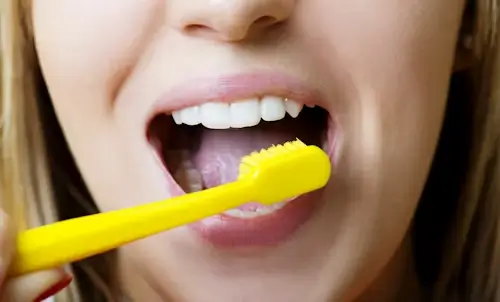
It can feel frustrating: you brush your teeth every day, sometimes twice or more, yet your smile still looks yellow in the mirror. Many people assume brushing alone guarantees white teeth, but the reality is more complicated. If you’re asking, “why are my teeth yellow when I brush them everyday?” the answer often lies beyond surface cleaning. Daily brushing removes plaque and surface debris, but it can’t always fix deeper staining, enamel thinning, or discoloration rooted inside the tooth structure.
Yellowing isn’t always a sign of poor hygiene. Sometimes it’s biology. Other times lifestyle habits, diet, enamel wear, or tartar buildup are the real cause. I remember thinking I did everything right, yet my dentist explained the discoloration was coming from enamel thinning and years of coffee—not from a lack of brushing.
Common Reasons Teeth Stay Yellow Even if You Brush Daily
Brushing is essential, but it has limits. Here are the most frequent causes:
1. Natural Tooth Colour & Genetics
Some people are born with slightly yellower dentin or thinner enamel. Genetics influence:
-
Enamel thickness
-
Tooth colour tone
-
Stain retention
-
Sensitivity to whitening
For some, white toothpaste can help; others may need professional whitening.
2. Enamel Thinning with Age
As enamel wears down over time, it becomes more translucent. The layer underneath—dentin—is naturally yellow. As enamel thins, more yellow shows through, no matter how much you brush.
Signs this may be the cause:
-
Teeth feel more sensitive
-
Edges look slightly translucent
-
Whitening toothpaste only helps a little
3. Staining Foods & Drinks
Pigments called chromogens attach to enamel and cause discoloration. These are the top culprits:
-
Coffee
-
Tea
-
Red wine
-
Fizzy dark sodas
-
Curries & tomato sauces
-
Berries & fruit juices
-
Soy sauce & balsamic vinegar
Brushing helps surface stains, but deep staining needs professional treatment or whitening.
4. Plaque, Tartar & Missed Spots
Brushing every day doesn’t guarantee complete cleaning. If plaque stays on tooth surfaces, it hardens into tartar (calculus), which looks yellow or brown and can’t be brushed off.
If you notice:
-
Yellow near the gumline
-
Build-up between teeth
-
A rough texture on the surface
…it’s likely tartar. Only a dentist can remove it.
5. Brushing Technique Issues
Even daily brushing can fall short if the technique is off.
Common mistakes causing yellowing:
-
Brushing under 2 minutes
-
Using a hard brush that damages enamel
-
Skipping floss (25–40% of plaque sits between teeth)
-
Not brushing the gumline or back teeth
Better technique makes a visible difference.
6. Medication-Related Discoloration
Certain medicine can darken or yellow teeth, especially long-term:
-
Tetracycline antibiotics (taken in childhood)
-
Some blood pressure medications
-
Antihistamines
-
Chemotherapy treatments
This discoloration is internal (“intrinsic”) and brushing won’t reach it.
7. Childhood Fluorosis
High fluoride exposure as teeth were forming can create:
-
White streaks
-
Yellow or brown spots
-
Patchy surface discoloration
This is harmless but cosmetic.
What You Can Do to Fix Yellow Teeth
The solutions depend on the cause. Here’s what actually helps:
| Problem | Real Solution |
|---|---|
| Surface stains | Whitening toothpaste, strips, polishing at dentist |
| Tartar buildup | Professional cleaning (scaling and polishing) |
| Deep stains inside teeth | Professional whitening or veneers (if severe) |
| Aging/enamel thinning | Gentle routine + enamel-safe whitening options |
| Diet-related stains | Rinse after staining foods/drinks, use a straw |
| Technique issues | Two-minute brushing + flossing daily |
Daily Habits That Help
✔ Brush twice a day for 2 minutes
✔ Soft-bristled toothbrush only
✔ Rinse after coffee, tea, wine
✔ Floss once daily
✔ Whitening toothpaste (not every day if sensitivity occurs)
When to See a Dentist
Book a dental visit if:
-
Yellowing is rapid or sudden
-
You have pain, sensitivity, or gum bleeding
-
You notice brown or dark streaks that don’t brush off
-
Whitening products don’t seem to work
Dentists can diagnose deeper issues like enamel erosion, gum disease, or medication staining.
Related: How Long Does It Take to Lose a Stone? Realistic Timelines & What to Expect
Conclusion
So, why are your teeth yellow when you brush them every day?
Because brushing alone can’t fix intrinsic stains, enamel thinning, tartar buildup, or pigment from diet and lifestyle. It cleans the surface, but deeper colour changes often need technique improvements, lifestyle adjustments, or professional treatments. You’re not doing something wrong—your teeth just need help beyond the toothbrush.
FAQs
Why are my teeth still yellow after brushing?
Because the discoloration may be inside the tooth or caused by enamel thinning, stains, or tartar.
Does brushing harder make teeth whiter?
No, brushing too hard wears enamel, making teeth look more yellow.
Will whitening toothpaste fix deep stains?
It helps surface stains but won’t remove internal discoloration.
Can genetics make teeth look yellow?
Yes—natural tooth shade and enamel thickness vary by genetics.
Do dentists remove yellow stains permanently?
Professional whitening and scaling offer the best improvement.