
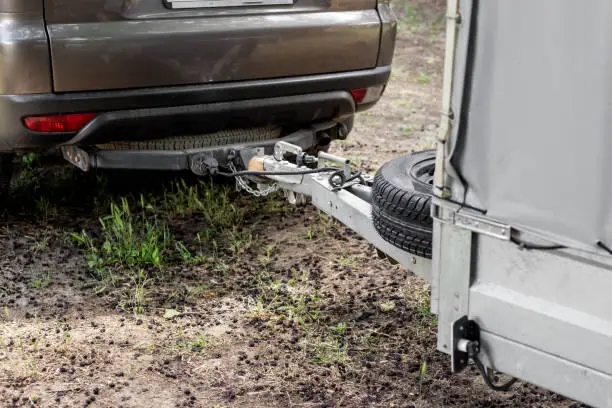
If you wish to tow a trailer, it’s vital to know how much noseweight your vehicle’s tow hitch can safely support. Noseweight (also called tongue weight) is the downward force the trailer’s coupling exerts on the tow ball. Too much noseweight can overload the vehicle’s rear suspension, impair steering, and increase braking distances — while too little can make the trailer unstable and prone to sway.
According to standard guidance, manufacturers publish this maximum figure in specific documentation such as the owner’s manual or vehicle specification plates, and it’s essential for safe towing. Autodoc.co.uk explains that the correct maximum noseweight rating is found in your vehicle’s documentation and must be adhered to for legal and safety reasons.
Understanding Noseweight and Why It Matters
Before we explore where to find the number, let’s clarify what noseweight actually is:
-
Noseweight (tongue weight): The vertical force exerted by the front end of the trailer onto the tow ball.
-
Why it matters: Correct noseweight ensures stable towing behaviour, optimal vehicle handling, and reduced risk of sway or jack-knifing.
Getting this value wrong isn’t just a safety issue — it may also affect your insurance, roadside legality, and vehicle warranty.
Where to Find the Maximum Noseweight for Your Tow Hitch
1. Your Vehicle’s Owner’s Manual
The most authoritative place to check is the owner’s manual (also called driver handbook). This will list:
-
Maximum tow hitch noseweight
-
Maximum towing capacity
-
Gross train weight (GTW)
-
Vehicle specific trailer ratings
Manufacturers include this data under the towing specifications section. Even if your vehicle has had a retrofit tow bar installed, the manual still shows the factory-approved towing limits.
Pro tip: If you’ve lost your manual, many manufacturers provide digital versions on their official websites.
2. Vehicle Specification or Compliance Plate
Most vehicles have a compliance plate (VIN plate) — usually located near the driver’s door, under the bonnet, or inside the passenger compartment. This plate can contain towing-related weights including:
-
Gross Vehicle Weight (GVW)
-
Gross Train Weight (GTW)
-
Maximum noseweight for towing
On some models, tow weights are stamped here alongside other important figures like tyre pressures and payload limits.
3. Manufacturer’s Website or Dealer
If your vehicle documentation is missing or unclear, you can obtain towing specifications directly from:
-
Manufacturer’s official website
-
Your dealership’s service department
-
Technical data sheets
Dealers often have access to detailed technical specs that aren’t printed in the general owner’s manual.
4. Tow Bar or Hitch Fitting Documentation
Aftermarket tow bars often come with their own documentation specifying maximum noseweight — but this is limited by both the hitch and the vehicle’s own rating.
In other words:
Your vehicle’s maximum noseweight is the lesser of (vehicle rating) vs (hitch rating).
If the tow bar is rated higher than the vehicle, you must still adhere to the lower vehicle value.
5. Online Vehicle Specification Databases
Several reputable online databases list towing data for many makes and models. Sources include:
-
Manufacturer parts lookup
-
Online technical data services
-
Vehicle-specific forums and enthusiast sites
Always cross-check with official documentation to avoid errors.
What Happens If You Exceed the Maximum Noseweight?
Overloading noseweight can lead to:
-
Poor rear suspension performance
-
Reduced steering control
-
Premature tyre or brake wear
-
Legal issues if pulled over with a trailer
-
Insurance claims being rejected
Stay below the maximum rating at all times, and account for the tongue load of whatever load you’re carrying.
How Noseweight Is Measured
Noseweight is measured when the trailer is unloaded and static — usually with a tongue weight scale placed under the hitch. It should be approximately:
-
5–10% of the trailer’s total loaded weight
This range promotes stability and reduces risk of trailer sway.
Practical Tips for Towing
-
Weigh your trailer fully loaded before hitching it to your vehicle.
-
Check your vehicle manual first for the official noseweight limit.
-
Use a certified tongue weight scale for measurement.
-
Distribute load properly to achieve ideal noseweight.
-
Consider professional installation of tow bars and accessories.
Related: How Can You Use Your Vehicle’s Engine to Control Your Speed?
Conclusion
If you wish to tow a trailer, knowing where to find your maximum noseweight rating is essential for safety and legality. The most reliable sources are your vehicle owner’s manual, compliance plate, manufacturer specifications, dealership data, and tow bar documentation. Always verify the noseweight before towing and never exceed the stated limit.
FAQs
Where is noseweight specified in my vehicle manual?
Typically in the towing specifications section alongside max towing weight and GTW.
Is the tow hitch rating the same as vehicle noseweight?
No — the lower value (vehicle vs hitch) is your legal limit.
Can towing without checking noseweight be illegal?
Yes — exceeding rated weights can lead to fines, failed inspections, or voided insurance.
Do I need special insurance when towing?
Often yes — check with your provider, as trailers may require separate coverage.