
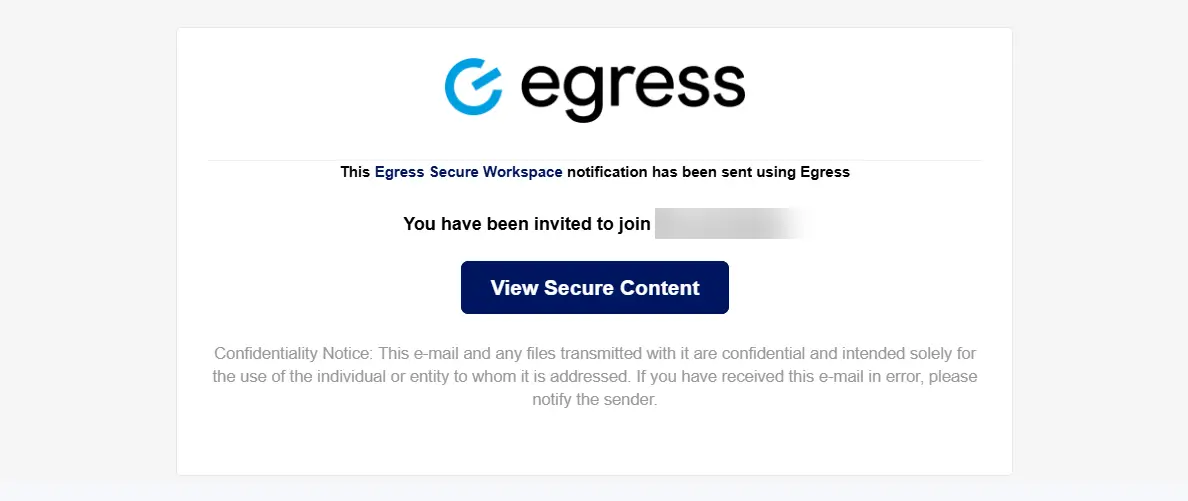
If you’ve ever typed “egress log in” into a search bar, you’re probably trying to access Egress. The secure email and file protection platform without tripping over passwords, policies, or pesky MFA prompts. This guide walks you through everything you need to know about signing in to Egress on web, desktop, mobile, and within Outlook; how to troubleshoot common login errors; and smart practices to keep your account and your recipients safe.
What Is Egress and Why the “Log In” Matters
Egress is best known for secure email (encryption, protection against misdirected messages, and recipient verification) plus tools for safe file sharing. Because Egress often protects sensitive or regulated data, the login flow is intentionally more rigorous than a typical web app. Depending on your organization, you may encounter:
-
Standard username + password with multi-factor authentication (MFA)
-
Single Sign-On (SSO) via your employer’s identity provider (e.g., Microsoft Entra ID/Azure AD, Okta)
-
Passwordless or magic-link email verification for external recipients accessing a secure message
Understanding which path applies to you (employee vs. external recipient, managed vs. unmanaged device) will make sign-in smoother and help you avoid lockouts.
The Four Main Ways to “Egress Log In”
There isn’t just one door; there are several. Pick the one that matches how you use Egress.
1) Web Portal (Browser)
The browser is the most universal route.
-
Navigate to your organization’s Egress sign-in URL or the general Egress web portal.
-
Enter your work email. Many organizations use SSO, which will redirect you to your company’s login page.
-
If you’re on classic credentials, enter your password and then complete MFA (authenticator app, SMS, or email OTP, depending on policy).
-
On success, you’ll land in your Secure Email or Secure Workspace dashboard, where you can read protected messages and manage shared files.
Tip: If you’re an external recipient opening a protected email, you may be prompted for a one-time passcode sent to your inbox—this is not the same as your account password.
2) Outlook Add-in / Desktop Client
Many organizations deploy an Outlook add-in (Windows/Mac) that bakes Egress into your email compose and read panes.
-
On first launch, the add-in will prompt you to sign in. If your tenant uses SSO, you’ll see your corporate login screen; otherwise, you’ll authenticate with Egress credentials and MFA.
-
After sign-in, you can send encrypted emails, apply protection policies (e.g., prevent forwarding), and decrypt received messages directly in Outlook.
Tip: If Outlook says you’re “Signed out,” click the Egress ribbon button (often labeled “Protect” or “Egress”) and re-authenticate. Corporate policy can force periodic re-logins.
3) Mobile Apps (iOS/Android)
The Egress mobile app supports reading protected mail, verifying recipients, and accessing shared files.
-
Install the official Egress app from your app store.
-
Open, select Sign in, and enter your work email.
-
Follow SSO or credential + MFA prompts.
-
Approve app permissions (notifications are useful for real-time access requests).
Tip: Some organizations require device compliance (passcode, encryption, company MDM). If you can’t sign in, check your device security posture.
4) Recipient Web Access (Magic Links & OTP)
If you’re not an Egress user but receive a protected message, Egress offers a lightweight sign-in specifically for accessing that message:
-
Click the secure link in the email.
-
Choose “Access message”.
-
Verify your identity via one-time code sent to the same address, or via a magic link.
-
You can now read and reply securely in the browser without installing software.
Step-by-Step: A Smooth “Egress Log In” on Any Device
-
Identify your route
Are you an internal employee (SSO likely) or an external recipient (OTP/magic link likely)? -
Use your business email
Egress usually keys off your corporate address for policy and SSO routing. -
Complete MFA
Keep your authenticator app handy. If your organization allows multiple factors, set up at least two (e.g., app + SMS) to avoid lockouts. -
Confirm tenant/region
If prompted, choose your organization or region correctly—it affects where your data lives and which identity provider handles you. -
Trust the device (if permitted)
On your own computer, selecting “Remember this device” can reduce repetitive MFA prompts (subject to policy). Avoid this on shared machines.
Common “Egress Log In” Errors & How to Fix Them Fast
“Your account isn’t recognized.”
-
Double-check your email address (typos in domains are common).
-
If you recently changed your primary alias at work, your Egress identity may still be tied to the old one—ask IT to sync.
Infinite SSO loop or “We couldn’t sign you in.”
-
Clear browser cookies for your identity provider and the Egress domain, then try again.
-
Switch browsers or use an inPrivate/Incognito window to bypass cached sessions.
-
Ensure your device time and timezone are correct—token validation can fail if your clock is off.
MFA won’t prompt or codes fail.
-
Open your authenticator app and refresh codes.
-
Check that the device time is set automatically.
-
If you’ve replaced your phone, request an MFA reset from your IT admin.
“Access blocked by policy.”
-
Your organization may restrict sign-in to managed devices or specific IP ranges.
-
Connect to the company VPN or enroll your device in MDM as required.
Outlook add-in says “Signed out” repeatedly.
-
Sign out explicitly from the add-in, close Outlook, restart, and sign back in.
-
Update to the latest add-in version; old builds can have token refresh issues.
-
If you use multiple Outlook profiles, ensure you’re logging into the one tied to your Egress tenant.
Account Security Essentials for Egress Users
Because Egress handles sensitive content, treat its sign-in like a badge to your data vault.
-
Strong, unique password (if not on SSO): Use a password manager; aim for 14+ characters with random words or generated characters.
-
MFA first, always: Prefer an authenticator app over SMS where possible.
-
Device hygiene: Keep OS and Outlook up to date; enable full-disk encryption on laptops and strong passcodes on phones.
-
Session awareness: Don’t select “Remember me” on public or shared devices.
-
Phishing caution: Egress emails contain secure links, but attackers can mimic them. When in doubt, navigate to the Egress portal directly rather than clicking unexpected links.
Admin-Side Notes That Affect Your Log In
If your company manages Egress, a few behind-the-scenes settings shape how you authenticate:
-
SSO enforcement: Users may be prevented from using local passwords and required to sign in only via the corporate identity provider.
-
Conditional access: Policies may require compliant devices, trusted networks, or MFA every time.
-
Session lifetime: Admins can tune how long a token lasts before you must “egress log in” again—expect more frequent prompts on sensitive roles.
-
Just-in-time (JIT) provisioning: With SSO, your Egress account may be auto-created on first sign-in. If that fails, ask IT to confirm your email domain is federated.
Pro Tips for External Recipients (No Egress License? No Problem.)
-
You don’t need a full Egress account to open a protected email. Use the one-time code sent to the same address the message targeted.
-
If you frequently exchange secure mail with the sender, consider creating a free recipient account (if offered) to streamline future access and reduce friction with OTPs.
-
Save the portal link as a bookmark so you can check replies without hunting through your inbox.
Privacy, Regions, and Compliance Considerations
When you “egress log in,” your session routes to a specific cloud region (often aligned with your organization’s compliance requirements). This impacts:
-
Data residency (where your encrypted content and logs are stored)
-
Latency (closer regions mean snappier performance)
-
Regulatory controls (e.g., GDPR, industry frameworks)
If you collaborate internationally and see unexpected prompts or slower loads, you might be crossing regions. Admins can advise on the right tenant/region URL.
FAQ
Do I need an account to open an Egress-protected email?
Not always. As an external recipient, you can verify with a one-time code or magic link sent to your email.
Why does Egress keep asking for MFA?
Your organization likely enforces conditional access or short session lifetimes. Choose “Remember this device” only on trusted, personal machines (if allowed).
Can I switch from password to SSO?
Only if your organization has enabled SSO for your domain. Ask IT to confirm and to migrate your identity if you’ve been using standalone credentials.
My Outlook add-in keeps signing out. What now?
Update Outlook and the add-in, clear cached credentials, and re-authenticate. If you have multiple mail profiles, ensure you’re using the one your Egress tenant recognizes.
Is there a way to log in without installing anything?
Yes, the web portal works on any modern browser, and external recipients can access protected messages via OTP without installing apps.
You might also like: Sage Stock Control: Guide for Smarter Inventory Management