
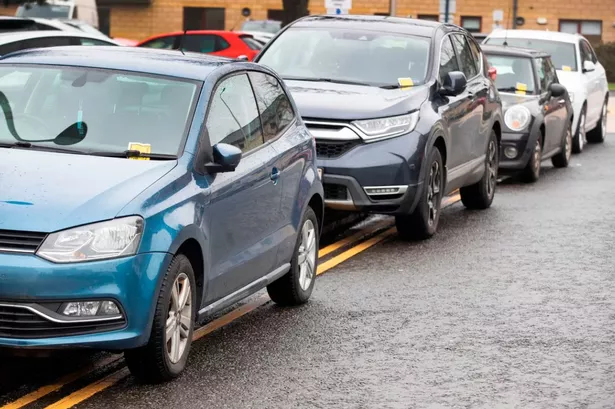
For years, drivers in Falkirk have treated pavements and grass verges as “overflow” parking when streets got too tight. That era is ending. Under new powers from the Scottish Government, Falkirk Council is preparing to fully enforce a pavement parking ban – and drivers who ignore it face a £100 penalty charge, reduced to £50 if paid within 14 days.
This isn’t just a local clampdown. It’s part of a nationwide shift in Scotland that started with the Transport (Scotland) Act 2019, which made parking on pavements, double parking and blocking dropped kerbs illegal, while allowing councils to create limited exemptions.
Below is a clear, human-friendly guide to what Falkirk’s pavement parking ban actually means in practice – and how to avoid an expensive ticket.
Why is Falkirk Banning Pavement Parking?
The core reason is safety and accessibility. Pavements are meant for people, not cars – and for some residents, pavement parking is more than an annoyance; it can be genuinely dangerous.
Falkirk Council highlights the impact on people with sight loss, mobility impairments, wheelchair users, and parents with prams. When cars mount the kerb, these pedestrians are forced into live traffic to get around them, often without warning or protection.
Pavements also have tactile cues – like textured paving and kerb edges – that help blind and partially sighted people navigate. When a vehicle blocks those cues, it becomes much harder to move safely and independently. A local resident with severe sight impairment, featured in Falkirk Council’s own communications, described how parked cars on pavements turned a normal walk into a stressful obstacle course.
So this ban is less about “punishing drivers” and more about giving vulnerable pedestrians predictable, safe space again.
Key Dates: From Warnings to £100 Fines
The pavement parking ban in Scotland isn’t happening overnight. There’s been a phased approach:
-
11 December 2023 – Scottish local authorities were first allowed to start enforcing the national pavement parking law, with fines up to £100 for illegal pavement parking, double parking, or blocking dropped kerbs.
-
From 7 May 2024 – Falkirk Council began issuing advisory notices, rather than fines, to drivers who parked on pavements. Around 1,800 warning notices were handed out to raise awareness and give people time to change their habits.
-
18 August 2025 – This is the big one: Falkirk will switch from warnings to full enforcement, issuing £100 Penalty Charge Notices (PCNs) for illegal pavement parking, reduced to £50 if paid within 14 days.
In the background, the council has already assessed all 2,360 roads in the Falkirk Council area to see where exemptions might be needed. Only 21 streets are being considered for possible exemption orders, which means the default rule across the area is simple: don’t park on the pavement.
What Exactly Is Banned Under the New Rules?
The law and Falkirk’s implementation are quite strict. It’s not just “completely blocking the pavement” that will get you a ticket.
Under the national legislation and Falkirk Council’s guidance, it is illegal to:
-
Park on the pavement – even partially. One wheel on the pavement is enough for a fine.
-
Park on low verges next to the road (those grassy or soil edges that people sometimes treat as spare parking).
-
Block dropped kerbs – the lowered kerbs that allow wheelchairs, buggies and mobility scooters to cross.
-
Double park – stopping in a way that prevents other vehicles from using the road properly, even if you’re not on the pavement.
Raised crossing points – where the road is level with the pavement at a crossing – count as crossing points, so parking there is also prohibited.
The key principle is this: if your vehicle forces pedestrians to change course or step into traffic, it’s almost certainly illegal under the new rules.
Fines, Exemptions and How Enforcement Works
From 18 August 2025, if you ignore the rules in Falkirk, you risk a £100 PCN, cut to £50 if paid within 14 days.
A few important points about enforcement:
-
No blanket signage everywhere
Falkirk Council makes it clear that there will not be warning signs on every street. The default across Scotland is that pavement parking is banned. Signs will only appear where there is a formal exemption order allowing some pavement parking. -
Exemptions are rare and tightly defined
To get an exemption, a street has to meet strict Scottish Government criteria – for example, the layout must still leave at least 1.5 metres of unobstructed footway when a vehicle is partly on the pavement, or emergency vehicles must be impeded if all cars stayed fully on the carriageway. -
Appeals process
As with other parking fines, motorists will have the right to challenge a PCN if they believe it was issued incorrectly. Details on how to appeal are usually printed on the ticket and available via the council’s parking webpages.
In short, “I didn’t know” won’t be a strong defence. The law has been widely publicised, and Falkirk has gone through a long warning period before starting full enforcement.
How Will the Ban Change Everyday Life in Falkirk?
For some neighbourhoods – especially older streets with narrow roads and high car ownership – this ban will be a big behavioural shift.
Here’s what it will likely mean day to day:
-
Drivers who used to mount the kerb to “leave more room” in the road will need to find different parking solutions, such as side streets, legal on-street bays, or off-street car parks.
-
Residents may have to rethink second or third cars, particularly in areas with limited parking stock.
-
Delivery drivers and tradespeople will need to plan legal stopping points rather than simply pulling onto the pavement “for a minute”.
-
On the positive side, pavements should become clearer, safer and more predictable for those on foot, especially children walking to school, wheelchair users and people with visual impairments.
Across Scotland, early rollouts in cities like Edinburgh and Glasgow, and councils like Aberdeen and North Lanarkshire, show that bans do change driver behaviour – councils have already issued tens of thousands of fines under the new rules, mostly for pavement parking.
Falkirk is now aligning with that national trend.
Practical Tips: How to Park Legally in Falkirk After the Ban
To stay on the right side of the new rules (and avoid that £100 shock), here are some simple habits to adopt:
-
Keep all four wheels on the road
Never let any part of your vehicle rest on the pavement or verge, even “just a bit”. If the kerb is under your tyre, you’re at risk of a ticket. -
Check for dropped kerbs and crossings
Don’t park in front of, or on, dropped kerbs, raised crossings, or pedestrian crossing points. These are lifelines for people with mobility issues and those pushing prams. -
Leave space for emergency vehicles
Narrow streets can tempt drivers to climb the kerb to “help emergency access”, but the law is clear: pavement parking is not the solution. If parking fully on the road genuinely blocks large vehicles, that’s where carefully designed exemptions may be applied by the council – not individual decisions by drivers. -
Look out for any signed exemptions
On the rare streets where pavement parking is formally allowed, you’ll see specific signage or markings. If you don’t see clear signs, assume pavement parking is banned. -
Plan your parking before you travel
If you know you’re heading into a tight residential area or busy town centre, factor in time to find a legal bay or car park. Last-minute kerb-mounting “just for a second” will no longer be a safe choice.
Related: The Style Icon Everyone’s Carrying: Inside the World of the Marc Jacobs Tote Bag
A Culture Shift, Not Just a Fine Factory
The Falkirk pavement parking ban is part of a wider push to re-balance streets in favour of people on foot, especially those who find it hardest to navigate obstacles. The Scottish Government’s messaging has been blunt: pavement parking is unsafe, unfair and illegal.
Falkirk has taken its time – issuing nearly a year of advisory notices, assessing every road, and consulting on possible exemptions – but from 18 August 2025, the grace period ends.
For drivers, the adjustment might feel inconvenient at first. For pedestrians who’ve spent years weaving around bumpers and bonnets, it could make the simple act of walking to the shops or the bus stop safer, calmer and more dignified.