
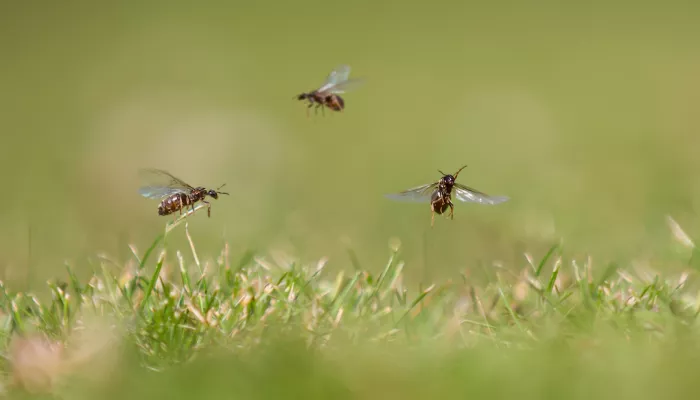
Every summer, something a little extraordinary unfolds in gardens, parks, rooftops and patios across the UK: millions of winged ants suddenly burst into the air at the same time. Locally, people call it Flying Ant Day, and while it’s often treated like an odd seasonal nuisance that arrives without warning, it’s actually one of nature’s most fascinating mass events. Far from being random, the synchronized rise of flying ants is a carefully timed reproductive phenomenon—and understanding it makes the experience far less chaotic and a lot more interesting.
What Exactly Is Flying Ant Day?
Despite the name, “Flying Ant Day” isn’t a single day at all. It’s a period, usually several weeks long, during which male ants and virgin queens develop wings and launch into the air for their nuptial flight. Once airborne, males compete to mate with queens from other colonies, ensuring genetic diversity. After mating, males die shortly afterward while the fertilized queens shed their wings and begin founding new colonies.
Most people encounter Lasius niger, the common black garden ant, but several species in the UK swarm in similar patterns. The sudden explosion of winged insects is simply the moment when environmental conditions align perfectly—and thousands of colonies agree it’s time to reproduce.
In short: flying ants aren’t “invading.” They’re following a biological script that’s millions of years old.
When Does Flying Ant Day Happen in the UK?
Flying ant activity usually peaks from late June through mid-August, with the most intense swarms typically appearing in early to mid-July. But there’s no fixed date. Different regions may experience flying ants on completely different days in the same summer.
The biggest trigger is the weather. Flying ants prefer:
-
Warm temperatures (often above 23–25°C)
-
High humidity
-
Light winds
-
A calm, sunny break after rainfall
When these conditions sync together, colonies across a region release their winged males and queens almost simultaneously. Some summers bring one huge day of activity, while others bring multiple medium-intensity days scattered across the season.
The reason for the synchronization is survival. By emerging all at once, ants overwhelm predators—especially gulls, starlings, and swifts—ensuring that at least some queens survive to start new nests.
Why Flying Ant Day Happens: The Science Behind It
Flying ants are not a different species from the ants you see scurrying around your patio. They are simply a reproductive caste. Normal worker ants are sterile females with no wings, but males and young queens grow wings specifically for mating.
During the nuptial flight, mating happens mid-air where predators are fewer and queens can escape their home colony’s territory. Once mating is complete:
-
Males die (their sole purpose is reproduction)
-
Queens land, break off their wings, and look for a place to form a new nest
-
A new colony begins quietly underground
The phenomenon also benefits the ecosystem. Birds, amphibians, and spiders feed heavily on flying ants, and the ants themselves help aerate soil, improve nutrient cycling, and contribute to local biodiversity.
Are Flying Ants Dangerous?
The short answer is no—they are not dangerous to humans or pets.
-
Bites: Black garden ants rarely bite, and when they do, it’s mild.
-
Stings: UK garden ants don’t have painful stings like fire ants.
-
Health risks: For most people, there are no significant risks.
The only real issue is annoyance. Large swarms can gather around windows, lights, or food left outdoors. Some people also worry when seagulls or pigeons appear to behave strangely during flying ant day; this is because ants contain formic acid, which can temporarily affect birds, making their behaviour seem chaotic.
Flying Ants Around Your Home
Seeing flying ants indoors doesn’t always mean you have an infestation, but it’s important to assess the situation.
Flying ants inside usually mean one of two things:
-
A nearby outdoor nest is sending ants through open windows or doors.
-
A nest exists inside the structure—under floors, in walls, or near wooden areas.
Flying ants indoors at the same time every year are typically a sign of a long-established colony hidden somewhere in your home. You might notice:
-
Ants emerging from small cracks
-
Sawdust-like debris
-
Regular summer swarms from the same place
Although they don’t cause structural damage like termites, you may want pest-control support if the swarms repeat annually.
How to Get Rid of Flying Ants Safely
There’s no need for harsh chemicals—most solutions are simple and eco-friendly.
1. Natural Indoor Management
-
Use a vacuum to remove ants quickly.
-
Close windows and doors when swarms begin.
-
Turn off indoor lights (ants are attracted to brightness).
-
Install insect screens during peak summer months.
2. Natural Deterrents
These help prevent ants from entering:
-
Vinegar and water spray for wiping surfaces
-
Lemon, peppermint, or eucalyptus oil sprays
-
Sealing food containers and cleaning up crumbs
-
Keeping bins closed and wiped down
-
Cleaning pheromone trails with soapy water
3. When to Call a Professional
If flying ants consistently appear from:
-
Floor gaps
-
Wall cracks
-
Loft spaces
-
Decking or foundation areas
Then a colony may be nesting inside the structure. A professional can confirm the species, locate the nest, and treat the issue safely without harming the surrounding environment.
Flying Ant Myths vs Facts
Myth: There’s only one flying ant day.
Fact: There are many across the summer; each region has its own.
Myth: Flying ants invade homes on purpose.
Fact: They are simply following light sources or emerging from a nest that already existed.
Myth: Flying ants are dangerous.
Fact: They are harmless and rarely bite.
Myth: Birds get “drunk” on flying ants.
Fact: Formic acid can affect bird behaviour temporarily, but it isn’t alcohol and isn’t toxic in typical amounts.
Understanding these facts helps reduce unnecessary worry and encourages a more ecological perspective on the event.
How to Prepare for the Next Flying Ant Day
Flying ant season repeats every summer, so preparing ahead of time can make the experience easier.
Homeowner Checklist
-
Seal cracks around windows, walls, and door frames
-
Install mesh screens on frequently opened windows
-
Keep kitchens clean during July–August
-
Reduce standing water and moisture
-
Prepare natural repellents if you dislike indoor visits
For Nature Lovers
Flying ant day can be spectacular to watch:
-
Look for activity between 11am and 3pm on warm, humid days
-
Bring a camera—macro photos of winged ants are surprising and beautiful
-
Watch for flocks of birds swooping to feed
Citizen science projects sometimes ask people to report flying ant sightings, so sharing your observations can help researchers understand how climate change affects swarming patterns.
Related: IKEA High Chair Review: Is the ANTILOP Worth It in 2025?
Conclusion
Flying Ant Day may seem like a sudden insect invasion, but it is actually a natural, highly coordinated event marking the renewal of ant colonies across the UK. It happens when weather conditions align perfectly, prompting millions of winged ants to rise into the air to mate and start new colonies. While swarms can be inconvenient, especially if they appear indoors, they are harmless, short-lived, and ecologically important.
Understanding why flying ants behave this way helps people appreciate the phenomenon rather than dread it, and with a few simple precautions, you can easily manage any indoor issues while enjoying one of summer’s most unique natural spectacles.