
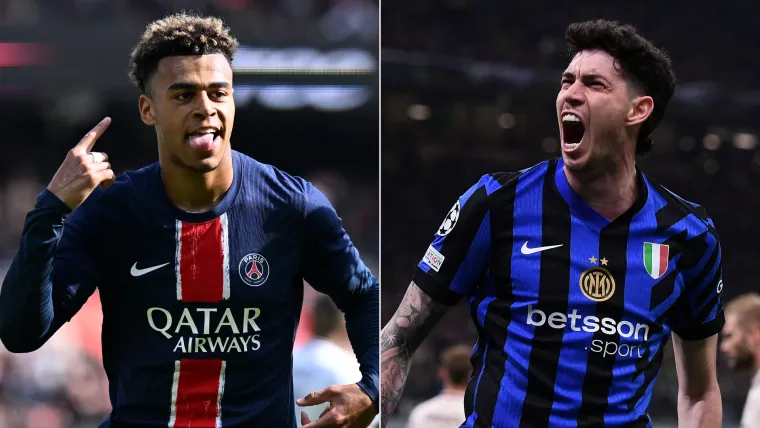
When fans search for PSG vs Inter Milan lineups, they’re usually not just looking for a dry list of names. They want to understand why those elevens were chosen, what they meant tactically, and how they shaped one of the biggest nights in European football, the 2025 UEFA Champions League final in Munich.
On 31 May 2025, Paris Saint-Germain and Inter Milan named two very different but equally ambitious lineups at the Allianz Arena. PSG went bold, youthful and attacking; Inter doubled down on structure, experience and their signature back three. The choices on the teamsheet went a long way toward explaining the 5–0 win that followed.
The Stage: Champions League Final 2025
The PSG vs Inter Milan lineups we talk about today are from the biggest stage possible:
-
Competition: UEFA Champions League final
-
Date: 31 May 2025
-
Venue: Allianz Arena, Munich
-
Managers: Luis Enrique (PSG) vs Simone Inzaghi (Inter)
PSG came in chasing their first ever European crown; Inter were eyeing a fourth title and leaning on a tried-and-tested 3-5-2. The tension was not only about stars on the pitch, but about clashing football ideologies: fluid 4-3-3 versus rigid but dangerous 3-5-2.
PSG Lineup: Youthful 4-3-3 Built Around Intensity
Luis Enrique stayed loyal to his 4-3-3, sending out a side that mixed experience at the back with audacious talent up front. The PSG starting XI for the final looked like this (grouped by lines, not just a flat list):
-
Goalkeeper:
-
Gianluigi Donnarumma
-
-
Back four:
-
Achraf Hakimi (right-back)
-
Marquinhos (centre-back, captain)
-
Willian Pacho (left-sided centre-back)
-
Nuno Mendes (left-back)
-
-
Midfield trio:
-
João Neves (deep-lying playmaker / No. 6)
-
Vitinha (box-to-box mid, link between lines)
-
Fabián Ruiz (left-sided No. 8, tempo controller)
-
-
Front three:
-
Désiré Doué (right wing cutting inside)
-
Ousmane Dembélé (nominally from the right but very fluid)
-
Khvicha Kvaratskhelia (left wing, 1v1 specialist)
-
This PSG lineup screamed verticality and pressing. With Hakimi and Mendes bombing on, and Kvaratskhelia plus Dembélé permanently threatening in wide zones, Inter’s back three were forced into uncomfortable wide areas. Doué, just 19, was the real wild card: a technically gifted forward trusted to start a Champions League final after a breakout season of double-digit goals and assists.
In midfield, Neves shielded the defence while also progressing play through sharp passing; Vitinha and Ruiz hunted between the lines, helping PSG overload Inter’s double pivot and drag their midfield out of shape.
Inter Milan Lineup: Classic 3-5-2 With Pavard Back in the XI
Inter Milan’s side stuck closely to Simone Inzaghi’s successful blueprint: a 3-5-2 that relies heavily on wing-backs and a lethal strike partnership. The Inter starting XI for PSG vs Inter in the 2025 final was:
-
Goalkeeper:
-
Yann Sommer
-
-
Back three:
-
Benjamin Pavard (right centre-back)
-
Francesco Acerbi (central sweeper)
-
Alessandro Bastoni (left centre-back)
-
-
Wing-backs:
-
Denzel Dumfries (right)
-
Federico Dimarco (left)
-
-
Midfield three:
-
Nicolò Barella (right-sided runner, box-to-box)
-
Hakan Çalhanoğlu (regista, deep playmaker)
-
Henrikh Mkhitaryan (left-sided mezzala, late runs)
-
-
Strikers:
-
Lautaro Martínez (captain, roaming No. 9)
-
Marcus Thuram (pace and physical presence in behind)
-
The big pre-match news for Inter’s lineup was Pavard’s return from injury, restoring their preferred right-sided defender and giving extra ball-playing quality from the back.
Inter’s selection was all about control without the ball:
-
Sommer to command the box.
-
A back three to defend crosses and deal with PSG’s wingers.
-
Barella and Mkhitaryan to shuttle up and down next to Çalhanoğlu, who orchestrated play.
-
Dimarco and Dumfries to provide width and constant crossing threats.
-
Lautaro–Thuram as the classic partnership: one link-up striker, one runner.
On paper, this looked balanced and dangerous. On the pitch, PSG’s speed and pressing turned those strengths into vulnerabilities.
Key Tactical Battles Shaped by the Lineups
When you zoom in on PSG vs Inter Milan lineups, a few decisive clashes stand out:
1. Wide Areas: PSG Wingers & Full-backs vs Inter Wing-backs
Hakimi and Mendes overlapping behind Dembélé and Kvaratskhelia created 4v3 overloads on the flanks. Inter’s wing-backs had to track wingers and full-backs at the same time, while Bastoni and Pavard were dragged away from the centre. That opened gaps for Doué and late midfield runs.
2. Midfield Triangle: Neves–Vitinha–Ruiz vs Çalhanoğlu–Barella–Mkhitaryan
On paper, this is a 3v3. In reality, PSG’s front three often dropped into pockets, turning it into 5v3 in central zones. Neves’ composure plus Ruiz’s passing range meant Çalhanoğlu was forced deeper, limiting his ability to dictate transitions. Barella had too much defensive fire-fighting to do and couldn’t fully join the attack.
3. High Line vs Counter Threat
Inter’s back three had to step up to compress the space, but with Dembélé and Kvaratskhelia attacking the channels, and Doué constantly looking for runs off the shoulder, PSG’s lineup was perfect for exploiting any hesitation. Once PSG scored first, that aggressive front three became even more poisonous on the counter.
Benches, Flexibility and In-Game Adjustments
Beyond the starting XIs, the PSG vs Inter Milan lineups conversation also includes the depth on the bench.
PSG’s Options
PSG had a bench packed with players who could change the tempo or add fresh chaos late in the game:
-
Defensive cover: Lucas Hernandez, Lucas Beraldo, Presnel Kimpembe
-
Midfield/energy: Warren Zaïre-Emery
-
Attack: Bradley Barcola, Senny Mayulu, Gonçalo Ramos, Lee Kang-in
Luis Enrique used this depth to keep the intensity brutally high. Bringing on young legs like Mayulu and rotating wide players meant Inter never got the breather they needed. Mayulu even came on to score, underlining how the entire PSG matchday squad was built to run at defenders for 90 minutes.
Inter’s Options
Inter’s bench was more about like-for-like changes: extra centre-backs, another target forward, and some midfield rotation. Those options are perfect when you’re protecting a narrow lead or grinding your way through a tight game. But at 2–0 and then 3–0 down, Inzaghi needed game-breaking pace and dribblers; his squad just didn’t have the same profile of fearless one-v-one attackers.
What the Lineups Tell Us About Both Clubs
Looking back, the PSG vs Inter Milan lineups are almost a snapshot of where both clubs stood in 2025:
-
PSG:
-
Younger core, heavy focus on versatile attackers and ball-playing defenders.
-
Midfield built to press high and dominate possession.
-
A willingness to trust players like Doué and Neves on the biggest stage.
-
-
Inter:
-
Structured, battle-tested unit with a clearly defined 3-5-2 identity.
-
Reliance on wing-backs for width and strikers for finishing.
-
Slightly less variety in attacking profiles when plan A stopped working.
-
Related: GBP to AED: Your Complete 2025 Guide to Pound–Dirham Conversion
The result – a historic 5–0 win and PSG’s first Champions League trophy – wasn’t just about form or luck. It flowed directly from how those two lineups matched up in space, tempo and intensity.
If you’re writing previews, doing tactical analysis, or just arguing with friends about that night in Munich, understanding the full PSG vs Inter Milan lineups – not only who started, but why – is the key to decoding one of the most lopsided finals in Champions League history.