
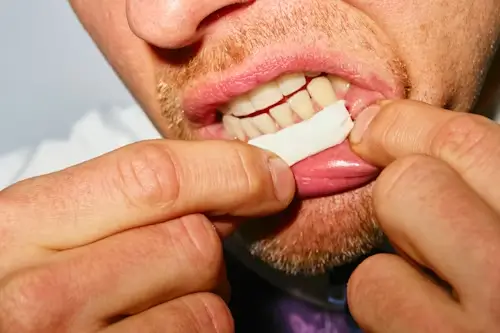
Tooth infections are among the most painful and disruptive dental problems. They can make eating miserable, disturb sleep, and even affect concentration. When pain flares up, many people search for immediate relief and ask the same question: what is the strongest natural antibiotic for a tooth infection?
The honest answer is nuanced. No natural remedy can cure a serious tooth infection the way professional dental treatment can. However, some natural substances have strong antibacterial and anti-inflammatory properties that may temporarily reduce pain, swelling, and bacterial activity until you can see a dentist. Understanding what they can—and cannot—do is key to using them safely.
Why tooth infections are different from other infections
A tooth infection usually starts when bacteria enter the inner pulp of a tooth through a cavity, crack, or failed filling. Once bacteria reach the pulp, they can multiply in a closed space with limited blood flow. This makes it difficult for the body—and natural remedies—to fully clear the infection on their own.
That’s why dentists rely on procedures such as root canals, drainage, or extraction to remove the source of infection. Natural options can help manage symptoms, but they don’t eliminate infected tissue trapped inside a tooth.
The strongest natural options (ranked by effectiveness)
While “strongest” can vary by situation, several natural substances stand out for their antibacterial activity and long history of dental use.
Garlic: the most powerful natural antibacterial
Garlic is widely considered the strongest natural antibiotic for tooth infections in terms of antibacterial strength. Its power comes from a compound called allicin, which forms when fresh garlic is crushed.
Why garlic works
-
Allicin has broad-spectrum antibacterial properties
-
It can inhibit the growth of bacteria linked to dental infections
-
It also reduces inflammation and may ease pressure-related pain
How to use it
-
Crush a fresh garlic clove to activate allicin
-
Mix with a small amount of salt or water to make a paste
-
Apply gently to the affected tooth or gum for 10–15 minutes
-
Rinse thoroughly afterward
Important caution:
Garlic is potent and can irritate gum tissue. Never leave it on for extended periods, and stop if burning occurs.
Clove oil: best for pain relief and antiseptic action
Clove oil has been used in dentistry for centuries. Its active compound, eugenol, provides both antibacterial and numbing effects, making it one of the most effective natural options for tooth pain relief.
Why clove oil works
-
Eugenol acts as a natural anesthetic
-
It has antiseptic and antibacterial properties
-
It helps calm nerve-related tooth pain
How to use it
-
Dilute 1–2 drops of clove oil in a teaspoon of carrier oil (olive or coconut)
-
Apply to a cotton swab
-
Dab gently on the painful area
Clove oil doesn’t “kill” an infection completely, but it often provides fast pain relief—sometimes within minutes.
Turmeric: anti-inflammatory support
Turmeric contains curcumin, known for its anti-inflammatory and antibacterial benefits. While not as immediately powerful as garlic or clove oil, turmeric helps reduce swelling and irritation around an infected tooth.
Why turmeric helps
-
Reduces inflammation in gum tissue
-
Inhibits bacterial growth
-
Supports the body’s healing response
How to use it
-
Mix turmeric powder with water or coconut oil
-
Apply as a paste to the affected area
-
Rinse after 10 minutes
Turmeric is gentler than garlic, making it suitable for repeated short-term use.
Manuka honey: antimicrobial and soothing
Manuka honey stands out among natural remedies because of its high antimicrobial activity. It also promotes healing and soothes inflamed tissue.
Why Manuka honey works
-
Creates an environment that inhibits bacterial growth
-
Draws moisture out of bacteria
-
Helps reduce gum inflammation
How to use it
-
Apply a small amount directly to the affected gum area
-
Let it sit briefly before rinsing
Raw Manuka honey works best; regular honey has weaker antibacterial effects.
Saltwater rinse: simple but dentist-approved
Though often overlooked, a warm saltwater rinse is one of the safest and most dentist-approved natural remedies.
Why it helps
-
Reduces bacteria in the mouth
-
Helps draw out fluid from swollen tissue
-
Promotes a cleaner oral environment
How to use it
-
Mix ½ teaspoon of salt into warm water
-
Rinse gently for 30 seconds
-
Repeat 2–3 times daily
Saltwater won’t cure an infection, but it supports healing and comfort.
Which natural remedy is actually the strongest?
If we’re talking strictly about antibacterial strength, garlic ranks highest. If we consider pain relief plus antibacterial action, clove oil often feels the most effective. In real-world use, many people combine remedies:
-
Garlic for bacterial suppression
-
Clove oil for pain control
-
Saltwater rinses for daily hygiene
This layered approach often provides the best short-term relief.
How people actually use these remedies
Imagine waking up at night with throbbing tooth pain and swelling. The dentist isn’t available until morning. Applying diluted clove oil calms the pain enough to sleep. In the morning, a gentle saltwater rinse reduces swelling, while a short garlic application helps manage bacterial pressure.
Relief doesn’t mean the infection is gone—but it makes the wait manageable until professional care is available.
What natural remedies cannot do
This is critical to understand:
-
They cannot remove infected pulp
-
They cannot drain abscesses
-
They cannot stop infection from spreading
-
They cannot replace antibiotics or dental treatment
Ignoring a tooth infection can lead to serious complications, including jaw infection, sinus involvement, or systemic illness.
When to see a dentist immediately
Seek professional dental care as soon as possible, especially if you experience:
-
Severe or worsening pain
-
Facial swelling
-
Fever
-
Pus or a bad taste in the mouth
-
Pain that lasts more than 24–48 hours
Natural remedies should only be used as temporary support, not a solution.
Safety tips when using natural remedies
-
Always dilute essential oils
-
Use garlic and turmeric sparingly
-
Avoid placing substances directly into cavities
-
Stop use if irritation occurs
-
Do not use on children without professional guidance
Overuse can damage gum tissue and worsen inflammation.
Related: Norwich City vs Preston North End F.C. Lineups: Predicted XI & Tactical Analysis
Conclusion
So, what is the strongest natural antibiotic for a tooth infection?
Garlic stands out for antibacterial power, while clove oil excels at pain relief. Turmeric, Manuka honey, and saltwater rinses provide supportive benefits.
Used wisely, these remedies can temporarily ease pain and reduce bacterial load, buying time until proper dental treatment is available. But they are not cures. A tooth infection always requires professional evaluation to prevent serious complications.
FAQs
Can garlic cure a tooth infection permanently?
No. Garlic may reduce bacteria temporarily, but it cannot eliminate infection inside a tooth.
Is clove oil safe to use daily?
Yes, when diluted and used sparingly. Avoid prolonged or direct contact with gums.
Can I combine natural remedies?
Yes. Many people safely combine saltwater rinses with clove oil or turmeric.
How long can I rely on natural remedies?
Only short-term. See a dentist within 24–48 hours.
What’s the fastest natural pain relief?
Clove oil usually provides the quickest numbing effect.
If you’d like, I can also create a natural remedy comparison chart, dentist-approved do’s and don’ts, or step-by-step emergency tooth pain relief guide.