
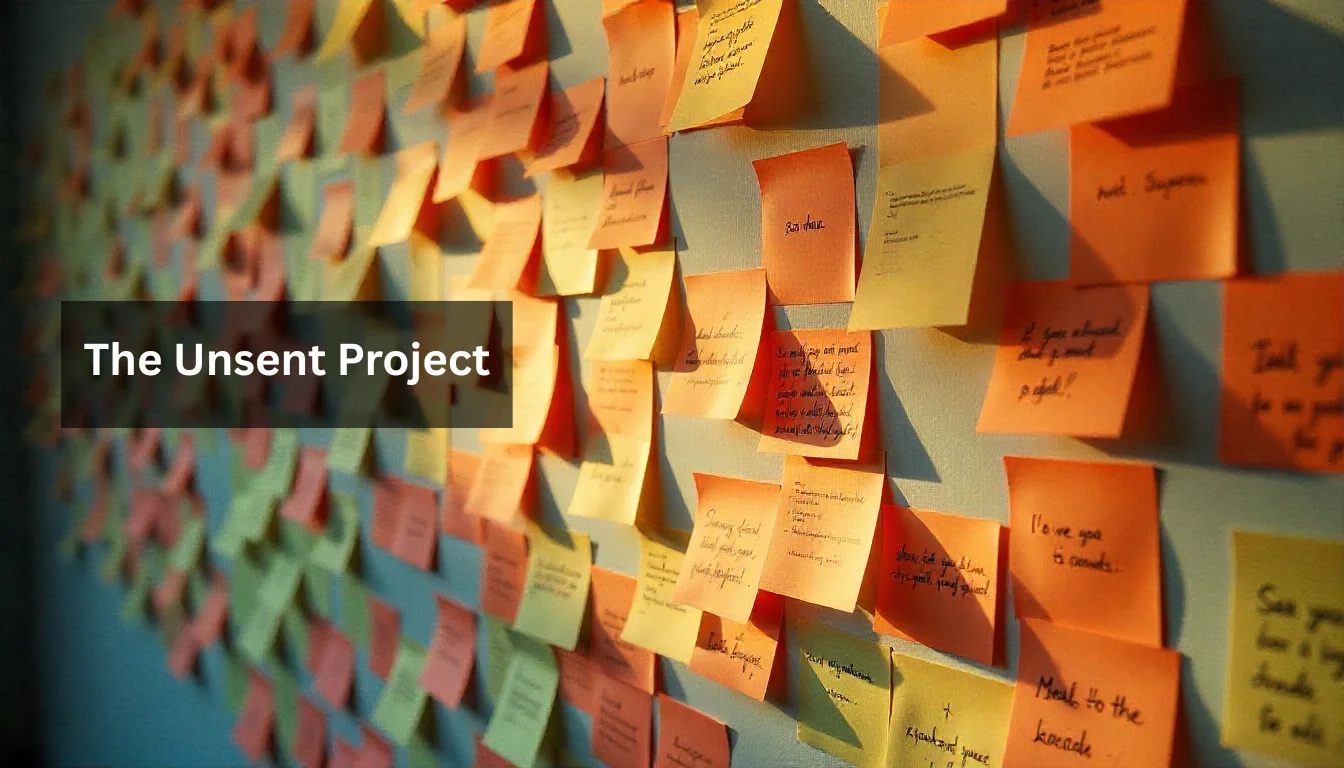
Have you ever typed out a message to someone you loved, maybe to express regret, longing, or closure, but never hit send? Maybe the words felt too raw, or the person was already gone. Maybe silence felt safer. This is the essence of The Unsent Project, a global platform where millions of people anonymously share the messages they never sent to their “first love.”
In this guide, we’ll explore everything you need to know about The Unsent Project, what it is, why it matters, how it works, and how it can help you express and understand your own emotions.
What Is The Unsent Project?
The Unsent Project is a digital archive of anonymous, unsent text messages. These are emotional notes people have written but never delivered, often addressed to someone they once loved, especially a first love.
Each message is submitted anonymously and appears against a background color chosen by the writer. These colors are more than decoration; they represent the emotional “tone” of the message. For example, red might represent passion or anger, while blue could reflect sadness or longing.
It is a creative and emotional outlet, blending art, psychology, and storytelling in a unique way.
The Story Behind the Project
The Unsent Project was created by visual artist Rora Blue in 2015. It began as a way to explore the question: “What color do people associate with love?” As people submitted their messages, they were also asked to assign a color to their feelings.
What started as a small artistic experiment quickly evolved into a massive online emotional archive, with millions of messages and counting. People from all walks of life began sharing deeply personal messages that were never meant to be seen, until now.
The project has become a place of healing, reflection, and shared human experience.
How The Unsent Project Works
1. Anonymous Submissions
Anyone can submit a message. You don’t need to log in, and you won’t be asked for any personal information. This makes the process feel safe and freeing. You can be completely honest without worrying about consequences.
2. Choosing a Color
Before you submit, you choose a color that represents the emotion of your message. This brings a visual and symbolic layer to the submission. Each color helps the viewer feel the emotion behind the words before they even begin reading.
3. Public Archive
Once submitted, your message becomes part of a massive searchable archive. People can browse messages by recipient name, by color, or randomly. Readers often find messages that mirror their own emotions or experiences, reminding them that they’re not alone.
Why People Use It
People are drawn to The Unsent Project for different reasons, but most of them share one thing in common: a need for emotional release.
Here are some of the most common motivations:
-
Closure: You never got to say goodbye or explain yourself.
-
Catharsis: Writing it out helps you feel lighter.
-
Creativity: It’s a way to express emotions through writing and color.
-
Reflection: Looking back helps you see how far you’ve come.
-
Empathy: Reading others’ unsent words shows that your pain is shared.
Some people write one message and move on. Others visit regularly, finding comfort in the collective vulnerability of the community.
Common Themes in Messages
Reading through The Unsent Project, you’ll notice recurring themes that reflect the universal nature of love and heartbreak:
-
“I still love you.”
-
“I’m sorry for what I did.”
-
“I wish you had stayed.”
-
“I hate you, but I miss you.”
-
“You changed me forever.”
-
“You never even knew how I felt.”
Some messages are one sentence long. Others read like poems. Some are angry. Some are deeply tender. All of them are real.
Emotional Benefits
Using The Unsent Project can actually have mental and emotional benefits when used mindfully.
1. Healing Without Confrontation
You can express yourself freely without risking conflict or further pain.
2. Letting Go
Sometimes, writing the message is all you need to do to finally let go of it.
3. Feeling Less Alone
Reading the archive can make you realize that your story isn’t unique and that’s comforting.
4. Journaling Effect
It functions like therapeutic journaling, allowing for emotional release and clarity.
Things to Be Aware Of
While The Unsent Project can be powerful, it’s not for everyone and it’s not a substitute for professional mental health support.
Here are some cautions:
-
Emotional Overwhelm: Some messages can be intense or triggering.
-
No Feedback or Resolution: You won’t get a reply. The person you’re writing to will likely never see it.
-
Reopening Old Wounds: Writing about past pain can stir up old emotions.
-
Addiction to Nostalgia: Constant revisiting can keep you stuck in the past.
If you feel worse after reading or writing messages, it’s okay to step away or talk to someone you trust.
Tips for Using The Unsent Project Meaningfully
-
Write Honestly, But Kindly
Say what you need to say, but avoid using the platform for venting hate. -
Choose Your Color Thoughtfully
Think about what the emotion feels like, not just what looks pretty. -
Don’t Overthink It
Your message doesn’t have to be poetic. It just has to be real. -
Give Yourself Closure
After writing, take a breath. Know that you’ve said it, even if only to yourself. -
Set Boundaries
If you find yourself getting too caught up in the stories, give yourself a time limit.
Want to Start Your Own Version?
If you’re inspired by the idea, you can create your own “unsent” platform, maybe for your language, school, community, or a specific topic (e.g. unsent letters to parents, to your past self, etc.).
Here’s what you’ll need:
-
Submission form: Anonymity is key.
-
Color or category tagging
-
Moderation system to block hate or abuse.
-
Search and browse options
-
Mobile-friendly design
-
Clear disclaimers that it’s for expression, not therapy
Even a simple blog or form can create a safe space for people to release what they’re holding in.
Conclusion
The Unsent Project is more than just a website, it’s a living, breathing emotional archive of the human heart. It shows us how deeply we feel, how much we leave unsaid, and how healing it can be to finally give those words a voice.
In a world where we’re always connected, but rarely truly open, platforms like The Unsent Project offer something rare: a safe space for vulnerability. Whether you’re looking to release a buried feeling or just want to feel seen through someone else’s story, it’s worth exploring.
Because sometimes, the most powerful words are the ones we never send.