
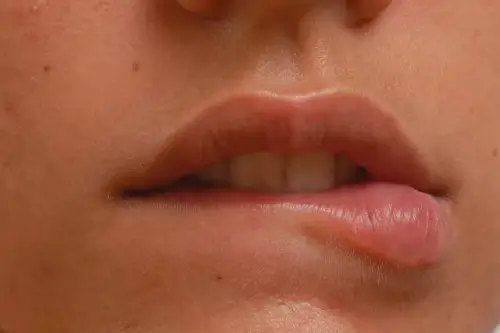
Getting lip filler is exciting, but the first thing most people notice afterward is swelling. That puffiness can look dramatic, feel a little odd, and make you wonder whether everything is on track. The good news: swelling after lip filler is expected, temporary, and typically follows a predictable course. Below, you’ll find a practical, plain-English guide that explains why it happens, how long it lasts, what’s normal versus not, and exactly what you can do to help your lips settle beautifully.
What Causes Swelling After Lip Filler?
Immediate Post-Injection Inflammation (Needle/Cannula Trauma)
Any time a needle or cannula enters the skin, the body launches a small inflammatory response. Capillaries are disturbed, tissues are manipulated, and fluid rushes in—this is your immune system doing cleanup. In the lips, which are highly vascular and sensitive, that response is heightened. The result: warmth, fullness, and tenderness that can peak within the first 24 hours.
Hyaluronic Acid & Water Retention Explained
Most lip fillers are made from hyaluronic acid (HA), a sugar molecule that attracts and binds water. That’s part of HA’s magic—it hydrates from within and gives that soft, supple finish. But in the first days, HA can pull extra water into the area, temporarily amplifying swelling. As your body equilibrates, that extra fluid disperses and the lips refine into their final shape.
Individual Factors: Skin Type, Menstrual Cycle, Allergies, Medications
We don’t all swell the same. People with naturally reactive skin, a history of seasonal allergies, or who are close to their menstrual period may notice more swelling. Certain supplements (like high-dose fish oil) and medications (especially blood thinners) can increase bruising and edema. Your injector will typically review these in your consultation—always disclose what you take and any medical conditions.
Swelling After Lip Filler: Day-by-Day Timeline
0–6 Hours: Numbness, Tingling & Initial Puffiness
Right after treatment, numbing agents and the mechanical irritation of injections make your lips feel “big,” tingly, and a little awkward when speaking or sipping. A cool compress on and off (10 minutes on, 10 off) during this window helps a lot. Expect subtle asymmetries at this stage—they’re almost always temporary.
Day 1: Peak Swelling & Warmth (What’s Typical)
This is the “ballooning” day for many. Lips may look fuller than you envisioned—sometimes much fuller. They may feel warm to the touch and mildly firm. As long as the color remains normal (pink to red), pain is manageable, and there’s no patchy whitening or severe asymmetry, you’re in the normal range.
Days 2–3: Bruising vs. Swelling—How to Tell
Bruising appears as purple/blue areas that change color over several days (green, yellow). Swelling is generalized puffiness and tenderness. You can have both. Bruises may make the shape appear uneven, but they resolve. Continue gentle cooling as needed (not constantly), stick to easy foods, and avoid pressure (no aggressive kissing, no straw if it pulls).
Days 4–7: Settling Phase & Shape Refinement
The “marshmallow” look softens. Edges sharpen, Cupid’s bow becomes more defined, and the top-to-bottom balance improves. Most people feel comfortable with public events by the end of this window, particularly if bruising is minimal and makeup is allowed again (see your aftercare).
Week 2–4: Final Results—When to Book a Review
By week 2, residual swelling is typically subtle and the filler has integrated nicely. This is the time your injector may schedule a check-in to assess shape, hydration, and whether a micro-top-up or minor adjustment is warranted. Photos at this stage represent true “after” results.
Related: Stolen Lamb Wilmslow – Menu, Prices & Opening Times
Normal vs. Concerning Swelling: How to Tell the Difference
What’s Normal (Symmetrical, Soft, Improves Daily)
-
Puffiness that gradually decreases each day after the peak
-
Lips that feel tender but not severely painful
-
Color that remains normal (pink to red); warmth without spreading redness
-
Mild lumpiness that softens with time and gentle massage if your injector recommends it
When to Call Your Injector/Doctor (Red Flags)
Severe Pain or Whitening/Mottling (Vascular Compromise)
Severe, escalating pain, blanching (whitening), or a blotchy, net-like pattern can indicate blood flow issues. This is urgent—contact your injector immediately or seek medical care.
Spreading Redness, Heat, Fever (Possible Infection)
A sharply defined, expanding area of redness with increasing heat, pus, or fever needs professional evaluation. Do not self-treat.
Hard Lumps, Asymmetry That Worsens, Blue Hue (Tyndall Effect)
Persistent, firm nodules; asymmetry that doesn’t improve after swelling; or a bluish cast under the skin can occur. These are usually manageable but require professional guidance—sometimes with hyaluronidase.
How to Reduce Swelling After Lip Filler (At-Home Care)
Cold Compress & Head Elevation (First 48 Hours)
Use a clean, wrapped ice pack in short intervals to calm inflammation. Sleep with your head elevated on two pillows the first couple of nights—gravity helps fluid drain and reduces morning puffiness.
Arnica/Bromelain & OTC Pain Relief (What’s Usually Safe)
Arnica (topical or oral) and bromelain (from pineapple stem) are often used for bruising and swelling. Over-the-counter pain relief like acetaminophen can help discomfort. Avoid NSAIDs (ibuprofen, naproxen) unless your clinician approves, as they can worsen bruising.
Hydration, Low-Salt Diet & Gentle Lymphatic Moves
Drink water, keep salt modest, and try light “sweeping” motions along the outer lip line toward the jaw to encourage lymphatic drainage—only if your injector has cleared gentle touch.
Sleeping Tips: Positioning & Pillow Stacking
Back-sleeping is best initially. Stomach or side sleepers may notice one-sided swelling due to pressure. If you roll naturally, use pillows at your sides to keep position.
Related: Ancora Medical Practice, Scunthorpe: Services, Access, and What Patients Should Know
What to Avoid After Lip Filler to Minimize Swelling
Heat, Saunas, Intense Exercise, Alcohol, Spicy/Salty Foods
For 24–48 hours, avoid activities that increase blood flow to the face: hot yoga, steam rooms, hard workouts, alcohol, and very spicy or salty meals. They can all intensify swelling.
Facials, Massage, Dental Work & Pressure on Lips
Skip facials, deep facial massage, and dental appointments for at least two weeks unless your injector says otherwise—pressure and prolonged mouth opening can disturb filler placement.
Makeup & Skincare Timing Around Injection Sites
Most clinicians suggest avoiding makeup on injection points for 24 hours. When you resume, use clean brushes and non-irritating products. Avoid strong actives (retinoids, acids) on the lip border for several days.
How Long Does Swelling Last After Lip Filler?
Typical Duration by Filler Type & Dose
For standard HA fillers and conservative volumes, noticeable swelling often improves substantially by days 3–5, with fine refinements through weeks 2–4. Larger volumes or firmer gels may take longer to settle.
First-Timers vs. Touch-Ups: What Differs
First-timers often swell more simply because tissues are “new” to filler. Touch-ups usually settle faster since the lips are already conditioned and often require smaller amounts.
When Persistent Swelling May Need Hyaluronidase (Dissolving)
If swelling lingers beyond a few weeks or is focal (one area stays puffy or lumpy), your injector may recommend targeted hyaluronidase to soften or dissolve the area. This is uncommon but effective when indicated.
Related: Fourth Login UK: A Complete, Human-Friendly Guide (Steps, Fixes, Tips)
Managing Bruising Alongside Swelling
Why Bruises Happen & Color Stages
Lips are vascular; even with perfect technique, a tiny vessel can be nicked. Expect a color evolution: purple/blue → green → yellow → clear over 5–10 days. Cooling and time are your allies.
Covering Bruises Safely (When Makeup Is Okay)
Once cleared to wear makeup (usually after 24 hours), use a clean brush or sponge. Correct with a peach/orange concealer for blue tones, then a thin layer of your usual concealer. Remove gently at night—no scrubbing.
When a Hematoma Needs Assessment
A large, tense, painfully swollen area may represent a hematoma (a bigger pool of blood). If tenderness is severe or size expands rapidly, check in with your clinician.
Aftercare Checklist & Follow-Up
24-Hour Do’s & Don’ts
-
Do: cool compresses, head elevation, water, gentle speaking
-
Don’t: heavy exercise, alcohol, hot environments, makeup on puncture points
48–72 Hour Plan
-
Do: light activity, continue hydration, consider arnica/bromelain
-
Don’t: facial massage, dental visits, sauna/steam, spicy/salty feasts
Two-Week Review: Adjustments & Top-Ups
Book (or attend) your two-week assessment. This is the ideal moment for photos, minor tweaks, and planning future maintenance based on how your filler integrated.
FAQs
How much swelling is normal after lip filler?
A visible increase in size—sometimes up to “whoa, that’s puffy”—on day 1 is common. As long as pain is low, color is healthy, and each day looks a touch better, you’re likely within normal limits.
Can I speed up lip filler swelling reduction?
Yes: cool compresses, head elevation, hydration, and avoiding heat/alcohol help. Gentle lymphatic moves (if approved) and arnica/bromelain may assist. Time remains the biggest factor.
Why is one side more swollen than the other?
Minor asymmetries arise from injection placement, hand dominance, and natural facial differences. They almost always even out as swelling fades. Persistent asymmetry at 2+ weeks warrants a review.
When can I work out or use a sauna again?
Light exercise after 24–48 hours is usually fine; high-heat environments and intense workouts are best delayed for 48–72 hours or per your injector’s protocol.
Does swelling make lips look “overfilled”?
Often, yes. Day-1 lips can look larger than your final result because of fluid. Evaluate shape at 2 weeks for a true sense of volume.
Will antihistamines help with swelling?
They may help if histamine is a contributor (e.g., allergy-prone individuals), but they’re not a universal fix. Ask your clinician before taking anything new.
When should I worry about vascular occlusion?
Red flags include severe pain, blanching/whitening, or mottled skin changes. Treat this as urgent—contact your injector immediately or seek emergency care.
Before & After: Swelling vs. Final Results (Photo Guide)
What True “Final Result” Photos Look Like (Week 2+)
The hallmark of a reliable “after” photo is time: taken at 2–4 weeks, when swelling has resolved and the filler has integrated. Borders are crisp, the pillow of the lip is soft, and symmetry is judged fairly.
How Lighting & Angles Exaggerate Swelling
Overhead, harsh light and close, low-angle selfies can exaggerate puffiness and texture. For honest comparisons, use natural, indirect light, the same camera distance, and neutral facial expression.
Resources & Safety Notes
Medical Disclaimer & Emergency Guidance
This article provides general information on swelling after lip filler and is not a substitute for personalized medical advice. Always follow your injector’s instructions, and seek immediate help if you notice severe pain, patchy blanching, spreading redness with fever, or vision changes.
How to Choose a Qualified Injector (Credentials to Look For)
Look for a licensed medical professional with robust facial anatomy training, proven portfolio photos at the 2-week mark, transparent aftercare policies, and access to hyaluronidase. Bonus points for clinics that schedule routine follow-ups and provide a written aftercare plan.
Conclusion
Swelling after lip filler is normal, expected, and manageable. Use cool compresses, sleep elevated, keep heat and alcohol on pause, and give your lips a full two weeks before judging the result. If anything feels off, trust your instincts and check in with your injector—peace of mind is part of great aftercare.